 At a glance
- Old Town (Vecrīga) is the classic base for first-timers.
- Art Nouveau streets sit just outside the core and are best explored on foot.
- Pick one calm neighborhood for café time and everyday-life Riga.
 Quick facts
- Getting there
- Old Town and the Art Nouveau district are walkable from each other; trams reach the across-river areas.
- Best time
- Old Town early for calm; the Art Nouveau streets are best in morning light.
- Best for
- Choosing where to wander and where to base yourself.
- Good to know
- Old Town (Vecrīga) is the compact historic core; the Art Nouveau streets sit just outside it.




How Riga’s neighborhoods fit together
Riga’s center is compact: Old Town is your historic core, and the Art Nouveau district sits close enough that it can be part of the same day. The best experience comes from choosing one “anchor” and then letting the day unfold with short, pleasant walks.
- Old Town (Vecrīga): history, lanes, classic landmarks.
- Art Nouveau district: architecture details and photogenic streets.
- Central Market area: food rituals, practical stops, easy transit connections.
A first-time checklist that stays walkable.
NeighborhoodsOld Town (Vecrīga) guideA calm route through the core lanes and landmarks.
NeighborhoodsArt Nouveau district guideWhere to walk for the best architecture details (without rushing).
NeighborhoodsĀgenskalns guideA local-feeling neighborhood across the river.
Food & DrinkFood & drinkMarket-first eating, cafés, and what to try.
Neighborhood orientation map (quick mental model)
This map is for orientation — not a checklist. It shows the few zones most first trips naturally revolve around.
Map pins
Map data © OpenStreetMap contributors · Tiles © OpenFreeMap
- Short trips: stay tight (Old Town + Art Nouveau + one market stop).
- Longer trips: add one ‘local-feeling’ neighborhood day.
Where to base yourself (quick guidance)
For a short first trip, staying near Old Town or just outside it keeps everything easy. If you’re sensitive to late-night noise, base yourself a few minutes away from the busiest squares but still within walking distance.
- First-timers: close to Old Town, but not on the loudest streets.
- Architecture lovers: stay near the Art Nouveau district for early-morning walks.
- Food-first travelers: keep the Central Market within an easy stroll.
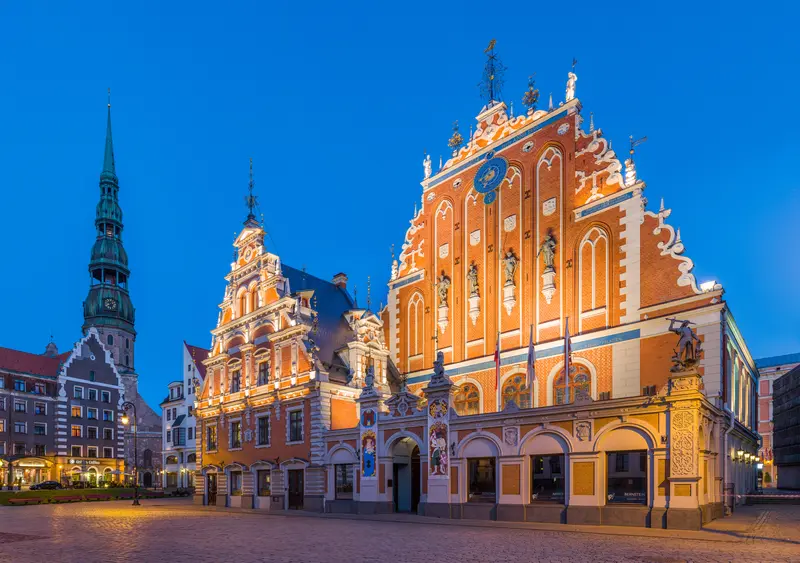
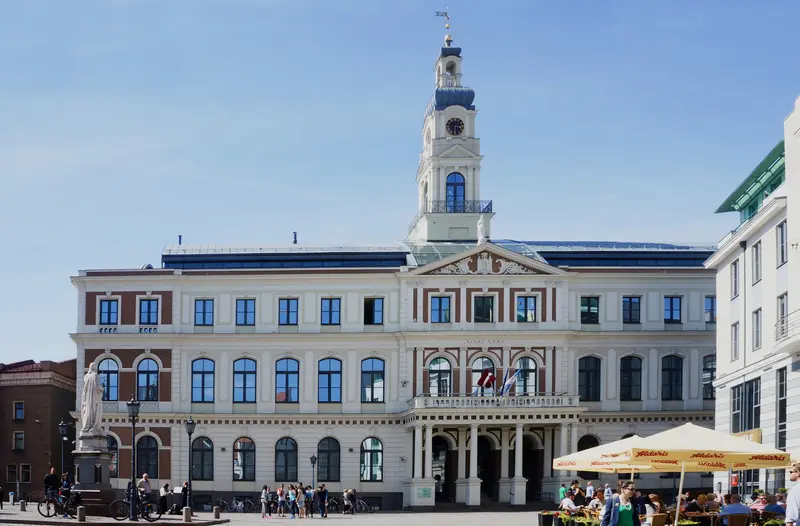
Old Town (Vecrīga): the historic core
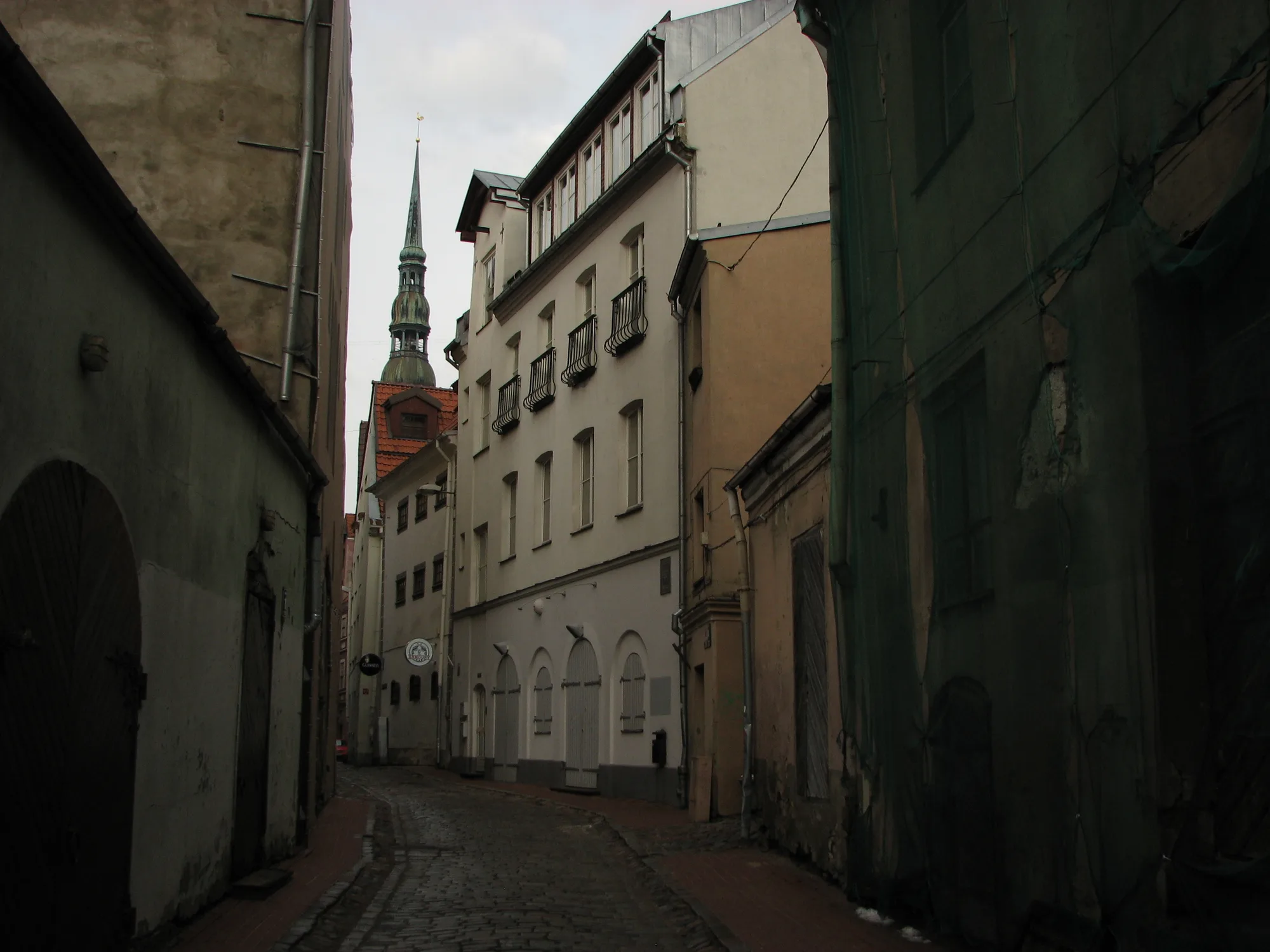
Vecrīga is the medieval heart of the city and the reason most people come. Founded with the city in 1201, it grew rich as a Hanseatic trading port, and that history is written into its tight grid of merchant houses, guild halls, and church spires. The whole core is part of the UNESCO-listed Historic Centre, and it is small enough to cross on foot in fifteen minutes — which is exactly why it works as a base.
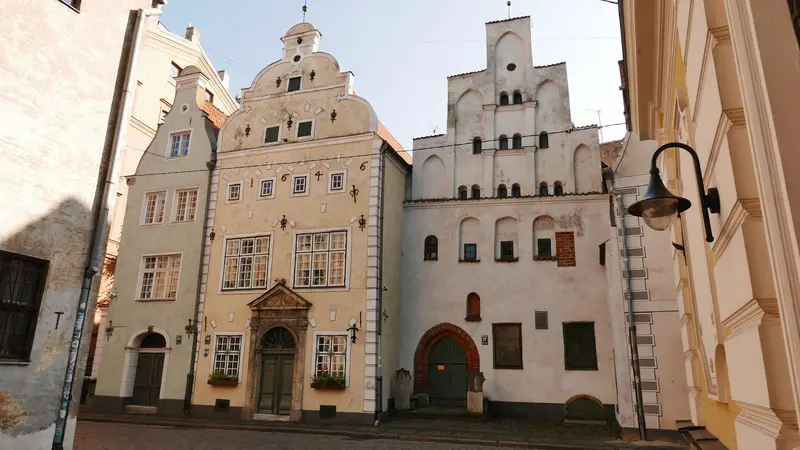
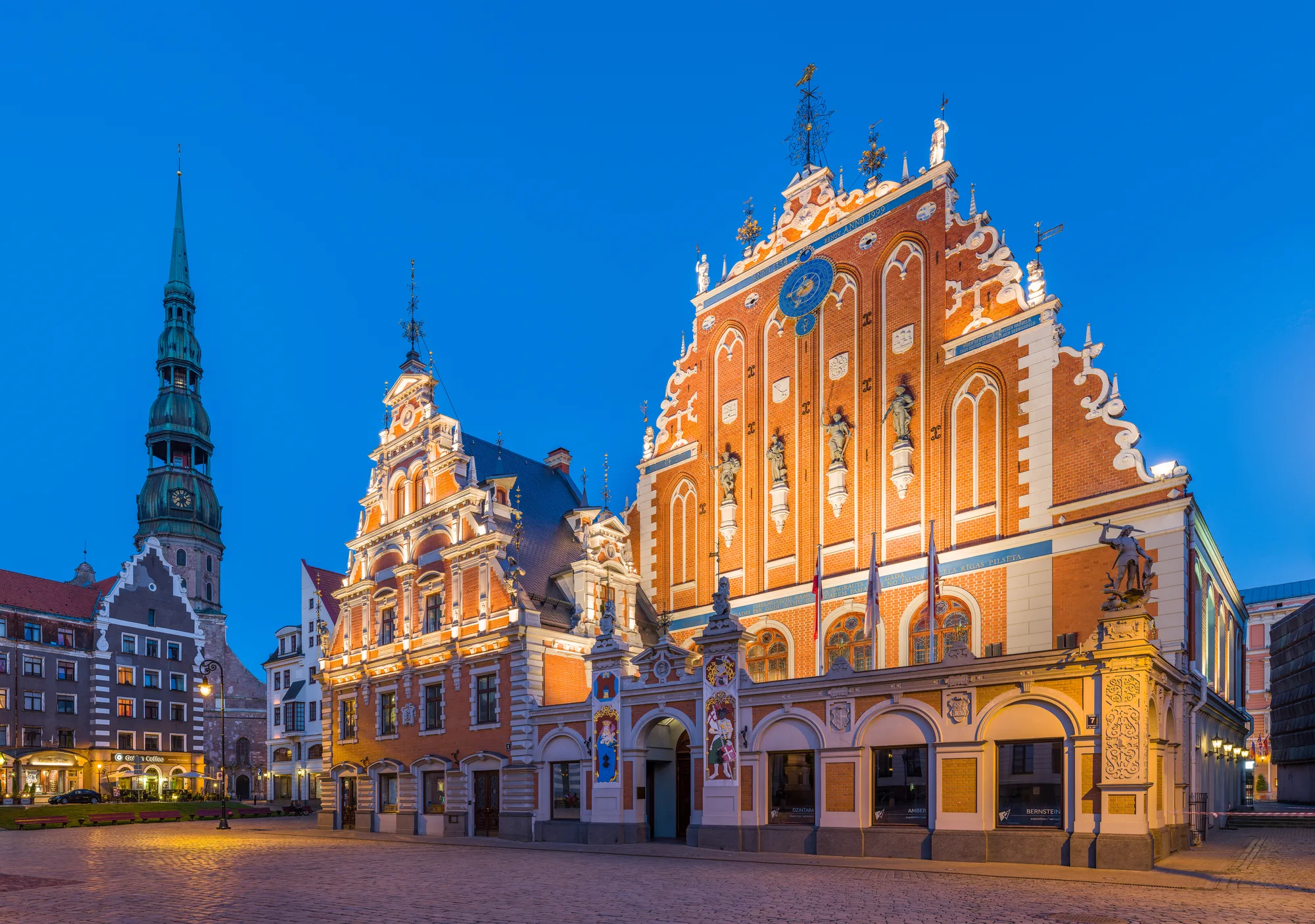
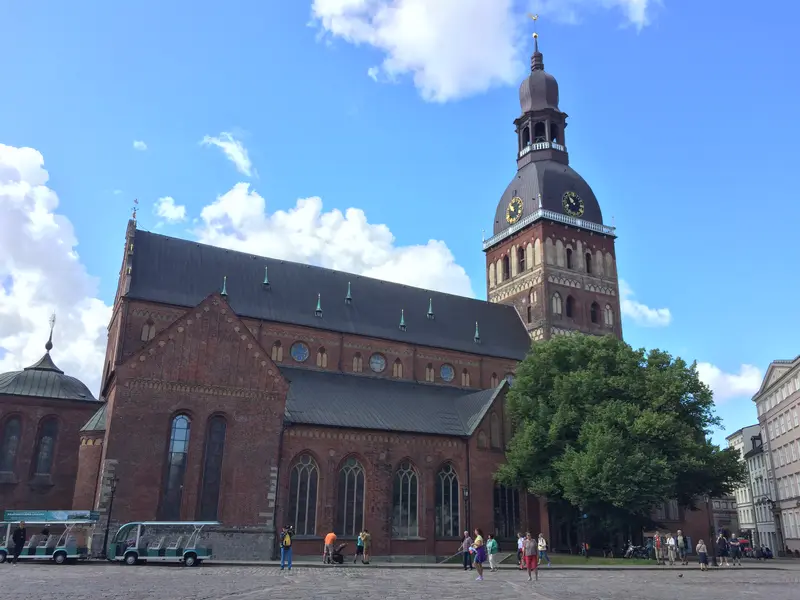
The landmarks cluster here: Town Hall Square with the rebuilt House of the Blackheads, Riga Cathedral, St. Peter's Church, and the oldest dwelling houses in the city, the Three Brothers on Mazā Pils iela. The trade-off is atmosphere versus quiet — the central squares can be lively at night, so if you are a light sleeper, choose a street a few minutes off the busiest spots. Mornings are the secret: the lanes are calm and photogenic before the day-trippers arrive.
- Best for: first-timers who want history and landmarks on the doorstep.
- Watch for: evening noise around the busiest squares — step one street back.
- Don't miss: the lanes at opening time, before the crowds.
Sources
- Historic Centre of Riga (UNESCO) ↗
Why the Old Town is protected, and what that protection covers.
The Centre (Centrs) and the ‘Quiet Centre’: Art Nouveau Riga
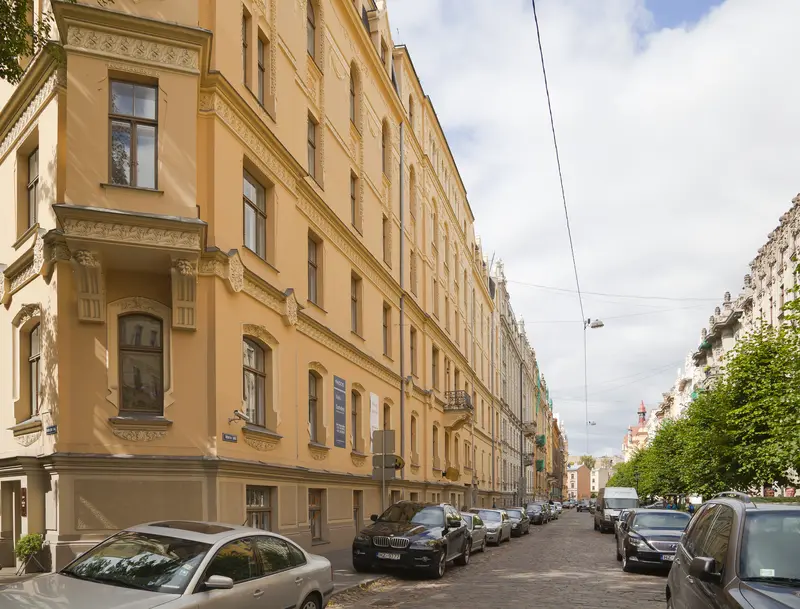
Just north and east of the Old Town lies the Centre district — and within it, the so-called Quiet Centre, an elegant grid of leafy streets that holds Riga's famous Art Nouveau architecture. Riga has one of the largest collections of Art Nouveau buildings in Europe, with roughly a third of the centre built in the style, and the densest, most theatrical stretch runs along Alberta iela and the streets around it.
This is where to base yourself if you love architecture: you can step out before breakfast and have the facades almost to yourself. The district is also home to embassies, design shops, and good cafés, and it is still an easy walk from the Old Town and the Freedom Monument. It feels more residential and refined than the historic core — quieter at night, with a grown-up, unhurried mood.
- Best for: architecture lovers and anyone who prefers calm, refined streets.
- Signature stretch: Alberta iela and the surrounding Quiet Centre grid.
- Bonus: short, early-morning walks before the facades fill with photographers.
Sources
- Art Nouveau in Riga (LiveRiga) ↗
Official overview of the style and where it concentrates.
Across the river: Ķīpsala and Āgenskalns
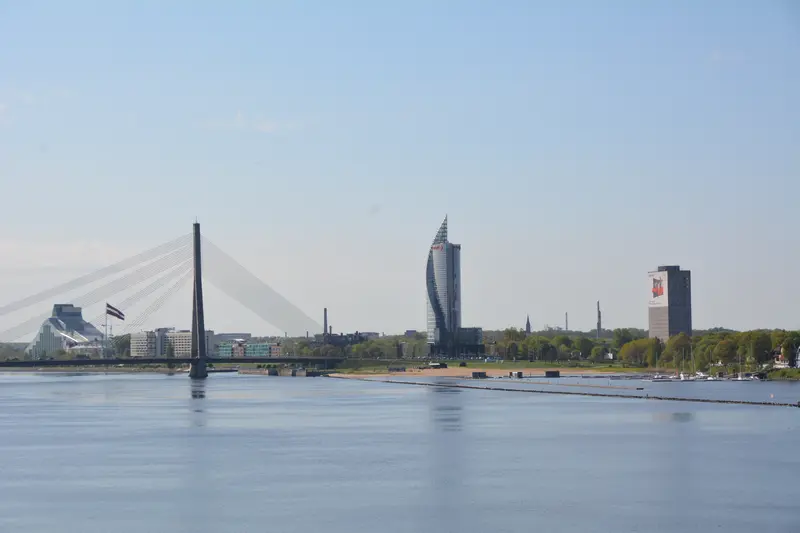
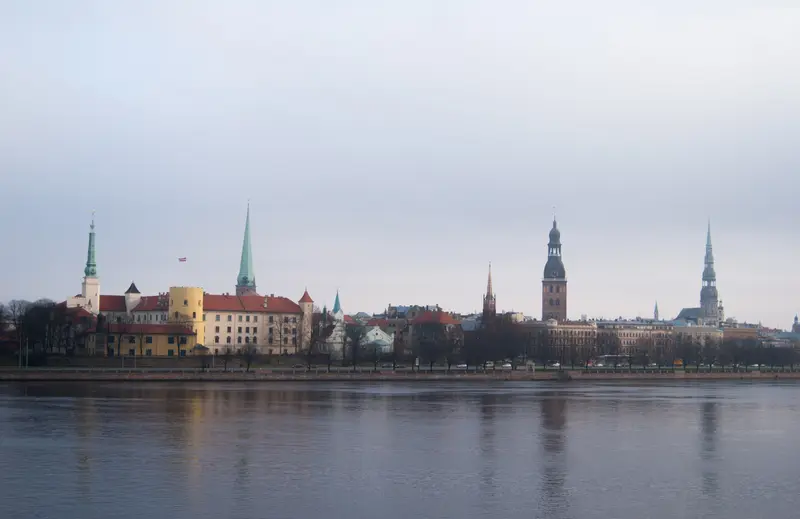
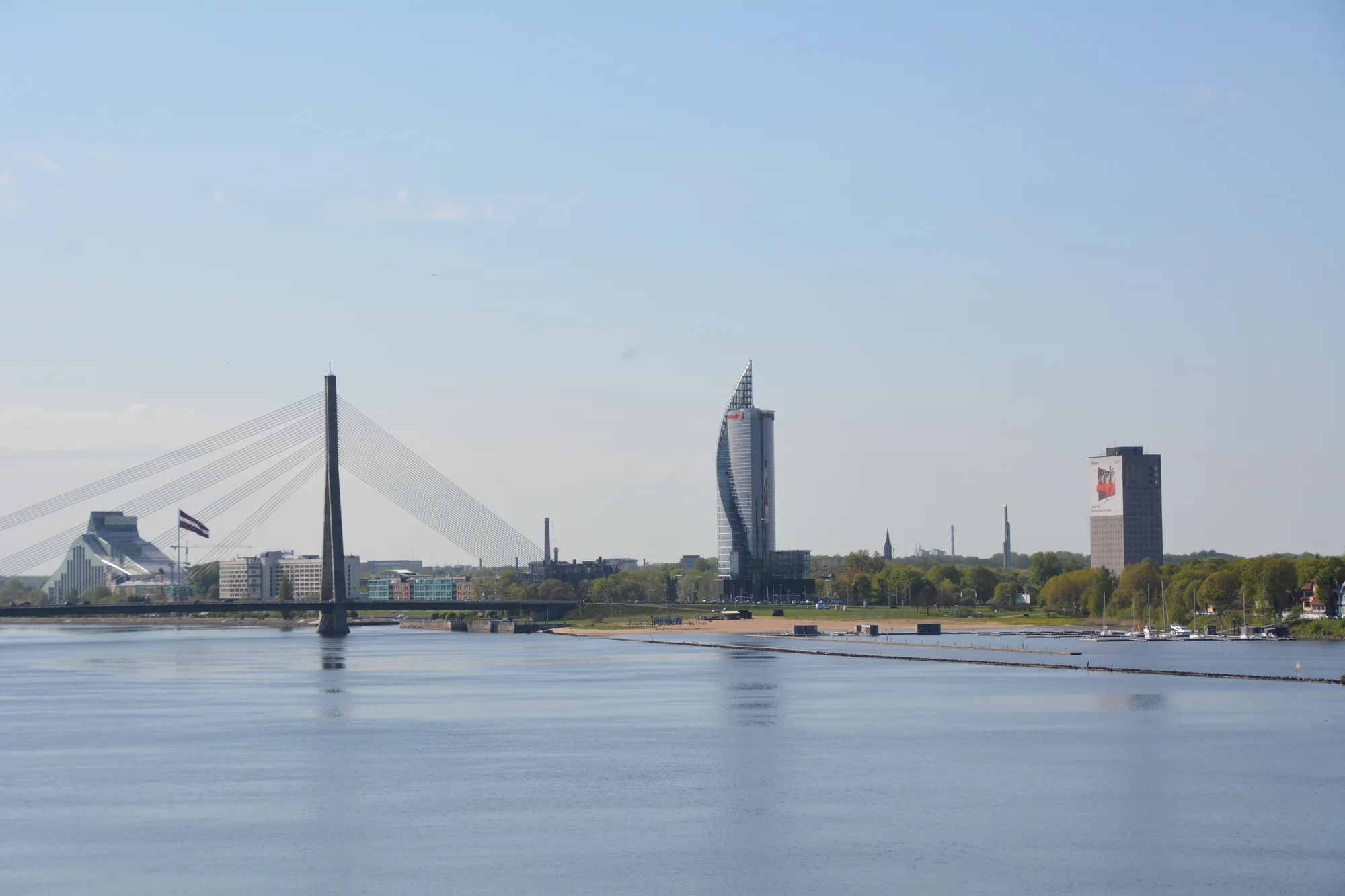
Cross the Daugava and Riga changes character. Ķīpsala is an island reached by the Vanšu Bridge (the cable-stayed bridge completed in 1981); its Balasta dambis waterfront is a row of restored wooden houses with one of the best panoramic views back to the Old Town skyline — a quietly romantic spot, especially at sunset. It is a short trip from the centre and feels worlds away.
Āgenskalns, a little further south on the left bank, is one of Riga's most characterful residential neighbourhoods, known for its wooden architecture and its market hall. It is a place to feel everyday Riga rather than tick off landmarks: leafy streets, local cafés, and an unhurried pace. Both areas reward travellers on a longer trip who want a half-day away from the tourist core.
- Ķīpsala: wooden-house waterfront and the classic skyline view across the river.
- Āgenskalns: residential, wooden architecture, a market hall, everyday-life Riga.
- Both: best as a half-day on a longer trip, not a first-afternoon priority.
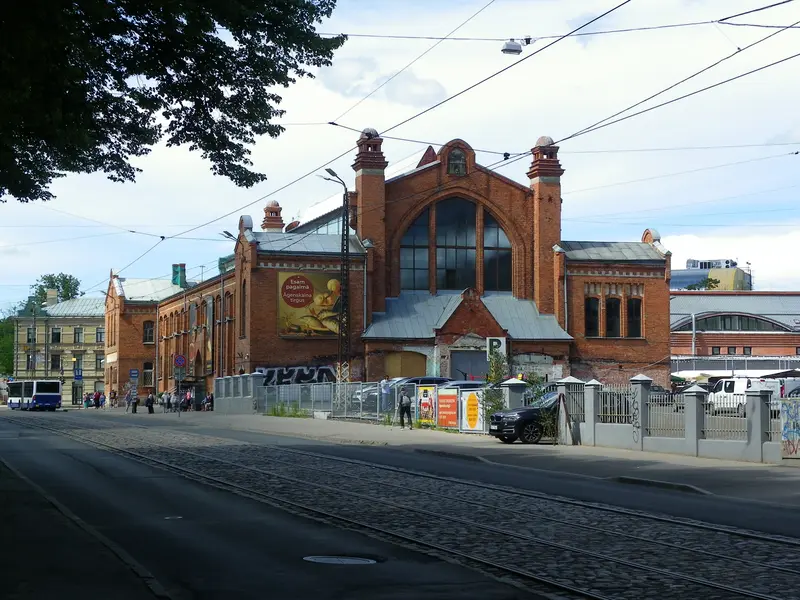
Green Riga: Mežaparks
When you want space and air, Mežaparks in the city's north delivers. It pairs a large forest park beside Ķīšezers lake with one of Europe's earliest garden-suburb neighbourhoods — wide streets and detached houses among the pines. The park holds the Riga Zoo and the Great Bandstand, the open-air stage where the vast Latvian Song and Dance Festival choirs perform.
It is a reset rather than a sightseeing checklist: come to walk, cycle, or sit by the water, ideally on a longer trip or a sunny day. A tram connects it to the centre, so it is an easy add-on when you want to swap cobblestones for trees.
- Best for: a green half-day — walking, cycling, lakeside time.
- Highlights: the forest park, the lake, the Great Bandstand, the zoo.
- Getting there: a tram ride from the centre.
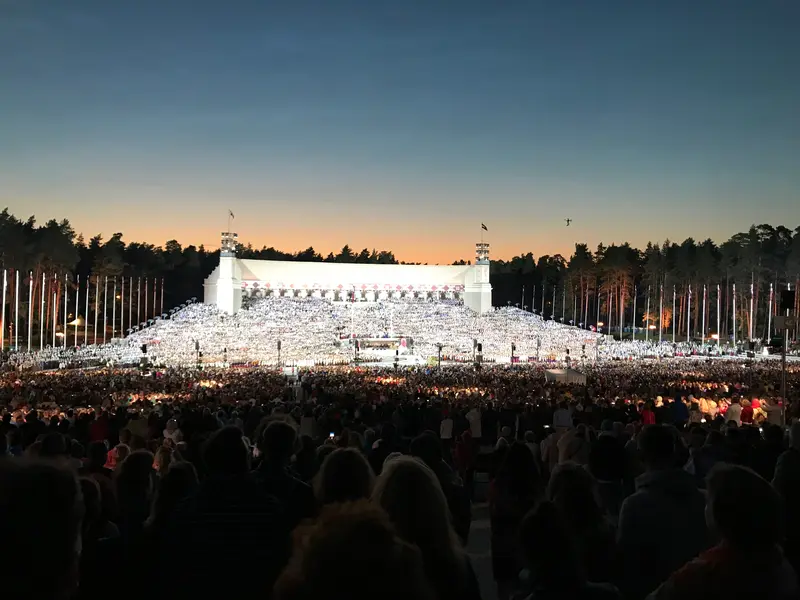
The reborn warehouse quarters: Spīķeri and Andrejsala
Two former industrial pockets show Riga's contemporary side. Spīķeri, a block of 19th-century red-brick warehouses right beside the Central Market and the Old Town, has been converted into a cultural and dining quarter — galleries, restaurants, and a riverside promenade make it an easy, atmospheric extension of a market visit.
Andrejsala, a former port area a little to the north, is more raw and creative — a slowly redeveloping district with art spaces and waterfront views. Neither is essential for a first short trip, but both are rewarding if you like seeing how a city reuses its old bones, and they pair naturally with a riverfront walk.
- Spīķeri: restored brick warehouses by the market — galleries, dining, riverside.
- Andrejsala: a rawer creative port district, still finding its shape.
- Best combined with: a Central Market visit and a riverfront stroll.
How to combine neighbourhoods by trip length
The simplest way to plan is by trip length. On a short trip, stay tight and let the centre do the work. With more time, add one ‘local’ neighbourhood per spare day and let the city feel less like a postcard and more like a place people actually live.
- 1–2 days: Old Town + the Art Nouveau streets + one Central Market stop.
- 3 days: add a half-day across the river (Ķīpsala or Āgenskalns) or in a warehouse quarter.
- 4+ days: add green time in Mežaparks, or a day trip out of the city entirely.

Reading the city as zones (a quick mental model)
Riga is easier to navigate once you stop thinking in attractions and start thinking in zones. The Old Town is the dense medieval core; wrapped around it to the north and east is the 19th-century Centre, with its broad boulevards and Art Nouveau streets; between the two runs the green belt of the City Canal and Bastejkalns Park, laid out in 1898 on the line of the old fortifications. South of the core sits the Central Market and the Spīķeri warehouse quarter, with the main railway and bus stations close by. Across the Daugava are the left-bank neighbourhoods and the island of Ķīpsala. Hold those five zones in your head and the map suddenly feels manageable.
The practical upshot is that the most-visited Riga is compact and almost entirely walkable. The river is the one real divide, and the bridges and trams handle it easily. Most of the time you can simply pick a zone for the morning, another for the afternoon, and walk between them through the parks.
- Core: Old Town (Vecrīga) — medieval lanes and landmarks.
- Around it: the Centre and Quiet Centre — boulevards and Art Nouveau.
- Between: the City Canal and Bastejkalns Park green belt.
- South: Central Market, Spīķeri, the transport hubs.
- Across the river: Ķīpsala, Āgenskalns, and the left bank.
Where the locals go to slow down
If you want a neighbourhood with a creative, lived-in feel rather than landmarks, head to Miera iela, a short walk north-east of the Centre. It is Riga's bohemian street: independent cafés, a famous chocolate factory, design and vintage shops, and a relaxed pace that draws students and artists. It rewards a slow morning more than a quick tick-box visit.
For green calm without leaving the inner city, the parks strung along the City Canal — Bastejkalns, Kronvalda, and the Esplanāde — give you tree-lined paths, ponds, and benches a few minutes from the Old Town. They are where Rigans actually relax, and they make the gentlest possible link between the historic core and the Art Nouveau district.
- Miera iela: cafés, a chocolate factory, vintage and design — a creative pocket.
- Canal-side parks: Bastejkalns, Kronvalda, Esplanāde — inner-city green calm.
- Both: best enjoyed unhurried, ideally on a longer trip.
Getting between neighbourhoods
Within the central zones you will mostly walk — the Old Town, the Centre, the canal parks, and the Central Market all connect on foot in minutes. For the left-bank neighbourhoods, the island of Ķīpsala, or the green expanse of Mežaparks, the tram network is the easy option, run by the city operator Rīgas satiksme. Buy and validate a ticket via the e-talons / code-ticket system before you ride — the 90-minute time ticket is about €1.50 in advance and covers transfers across trams, trolleybuses and buses.
A rough rule: if a neighbourhood is in the central core, walk it; if it is across the river or out toward the lake, take a tram. You rarely need anything more complicated than that for a city visit.
Sources
- Public transport in Riga (Rīgas satiksme) ↗
The operator's own overview of trams, trolleybuses, and buses.
Which neighbourhood is best for first-time visitors?
For a first visit, base yourself in or just beside the Old Town (Vecrīga). It puts the headline landmarks on your doorstep and keeps everything walkable, including the Art Nouveau streets and the Central Market. If you are a light sleeper, pick a street a few minutes back from the busiest central squares — you keep the convenience without the late-night noise. Architecture lovers can happily swap to the Quiet Centre for early-morning facade walks.
Riga's wooden architecture: a different side of the city
Beyond the stone landmarks, Riga holds one of Europe's most remarkable collections of wooden urban architecture. The city has around 4,000 surviving wooden buildings — more than any other European capital — with several hundred inside the historic centre alone; most date from the 19th century, when plentiful local timber kept wood a common building material right up to the Second World War. These are whole streets of timber houses, not isolated curiosities.
Āgenskalns across the river is the best-known place to see them, including the restored Kalnciems Quarter, but pockets survive in several districts and tell the story of how ordinary Rigans lived as the city grew. They are easy to miss if you stay only in the Old Town, which is why a single half-day in a residential neighbourhood adds so much. You trade landmarks for texture: painted facades, carved doorways, quiet courtyards, and corner shops — a calmer, more intimate Riga, and free to walk.
- Scale: around 4,000 wooden buildings — the most of any European capital.
- Where to see it: Āgenskalns (incl. Kalnciems Quarter) and other left-bank streets.
- What you get: timber facades, carved details, quiet local life.
- Why bother: it shows the everyday city behind the postcard landmarks.
Sources
- Wooden architecture (Latvia.travel) ↗
Official background on Riga's timber buildings and where to find them.
Is Old Town the only place worth staying?
No. The Old Town is the most convenient base for a first short trip, but the Quiet Centre is a lovely, calmer alternative that is still a short walk from the landmarks and surrounds you with Art Nouveau streets. The area near the Central Market and the railway station is handy for transport and day trips. The right choice depends on your priorities: landmarks on the doorstep (Old Town), refined calm and architecture (Quiet Centre), or transport convenience (near the stations and market).
One more thing to weigh is the rhythm of your trip. If you plan late dinners and want to roll out of bed into the lanes, the Old Town wins despite the evening noise. If you value early-morning walks, quiet sleep, and a more residential feel, the Quiet Centre is hard to beat — and it is still only a ten-minute stroll to the main sights. There is no wrong answer in such a compact city; you are choosing a mood, not solving a logistics problem.
Is it worth crossing the river while in Riga?
On a short trip it is optional; on a longer one it is one of the nicest things you can do. Ķīpsala's waterfront gives the best view of the Old Town skyline, and Āgenskalns shows you a quieter, more local Riga of wooden houses and neighbourhood cafés. Both are a short hop from the centre, so they make an easy half-day when you want a change of pace.
 Location
Riga Central Market
The city’s big market halls — a high-value food stop and a great way to understand everyday Riga fast.
Nearby (walkable)
- Spīķeri
- St. Peter’s Church
- Bremen Town Musicians
- House of the Black Heads
- Latvian Academy of Sciences
- Latvian National Opera
Map pins
Map data © OpenStreetMap contributors · Tiles © OpenFreeMap
 Location
House of the Black Heads
A classic Old Town landmark on Town Hall Square — easy to pair with an evening walk in Vecrīga.
Nearby (walkable)
- St. Peter’s Church
- Riga Cathedral
- Bremen Town Musicians
- Līvu Square
- The Three Brothers
- Cat House (Kaķu nams)
Map pins
Map data © OpenStreetMap contributors · Tiles © OpenFreeMap
 Location
Alberta iela (Art Nouveau)
Riga’s most famous Art Nouveau street — best early for quieter photos and details.
Nearby (walkable)
- Riga Art Nouveau Museum
- Latvian National Museum of Art
- Kronvalda Park
- Esplanāde Park
- Bastejkalna Park
- Freedom Monument
Map pins
Map data © OpenStreetMap contributors · Tiles © OpenFreeMap
Location
Freedom Monument
The symbolic heart of Riga — a natural meeting point for a city-center walking route.
Nearby (walkable)
- Bastejkalna Park
- Latvian National Opera
- Esplanāde Park
- Līvu Square
- Cat House (Kaķu nams)
- Swedish Gate
Map pins
Map data © OpenStreetMap contributors · Tiles © OpenFreeMap
 Location
St. Peter’s Church
Old Town icon with one of the best viewpoints over Riga’s rooftops.
Nearby (walkable)
- Bremen Town Musicians
- House of the Black Heads
- Līvu Square
- Cat House (Kaķu nams)
- Riga Cathedral
- Latvian National Opera
Map pins
Map data © OpenStreetMap contributors · Tiles © OpenFreeMap
Location
Riga Cathedral
A calm Old Town stop — easy to pair with a slow lane-wandering loop.
Nearby (walkable)
- The Three Brothers
- House of the Black Heads
- Cat House (Kaķu nams)
- Līvu Square
- Swedish Gate
- Riga Castle
Map pins
Map data © OpenStreetMap contributors · Tiles © OpenFreeMap
Location
The Three Brothers
A photogenic Old Town corner: historic houses and classic Riga texture.
Nearby (walkable)
- Riga Cathedral
- Swedish Gate
- Riga Castle
- Cat House (Kaķu nams)
- Līvu Square
- House of the Black Heads
Map pins
Map data © OpenStreetMap contributors · Tiles © OpenFreeMap
 Location
Bastejkalna Park
A gentle green corridor between the center and Old Town — ideal for a reset walk.
Nearby (walkable)
- Freedom Monument
- Līvu Square
- Cat House (Kaķu nams)
- Swedish Gate
- Latvian National Opera
- Esplanāde Park
Map pins
Map data © OpenStreetMap contributors · Tiles © OpenFreeMap
Location
Esplanāde Park
A central green pocket that’s perfect between museums and boulevards.
Nearby (walkable)
- Latvian National Museum of Art
- Freedom Monument
- Bastejkalna Park
- Swedish Gate
- Cat House (Kaķu nams)
- Līvu Square
Map pins
Map data © OpenStreetMap contributors · Tiles © OpenFreeMap
Location
Spīķeri
A riverside warehouse district vibe near the market — good for a different texture and a short walk.
Nearby (walkable)
- Riga Central Market
- Latvian Academy of Sciences
- St. Peter’s Church
- Bremen Town Musicians
- Latvian National Opera
- House of the Black Heads
Map pins
Map data © OpenStreetMap contributors · Tiles © OpenFreeMap
Location
Andrejsala
A harbor-side area that’s good for a ‘different texture’ walk outside the Old Town lanes.
Nearby (walkable)
- Riga Art Nouveau Museum
- Alberta iela (Art Nouveau)
- Kronvalda Park
- Latvian National Museum of Art
- Riga Castle
- Esplanāde Park
Map pins
Map data © OpenStreetMap contributors · Tiles © OpenFreeMap