 At a glance
- Best for: a short walk between the market and the river.
- Great pairing: Central Market → Spīķeri → sunset walk.
- Keep it simple: this is a texture stop, not a full-day mission.
 Quick facts
- Cost
- Free to wander; budget only for a café or any exhibition you choose.
- Time needed
- 30–60 minutes as an add-on to a Central Market visit.
- Getting there
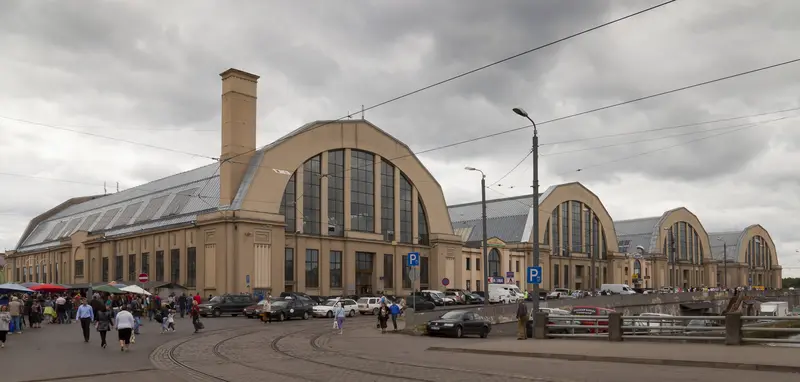
- Right beside the Central Market, a short walk from the Old Town and the river.
- Best time
- Afternoon into golden hour, paired with a calm evening.
- Best for
- A quick change of texture between Old Town lanes and the riverfront.




What Spīķeri is (quick context)
Spīķeri is a cluster of 19th-century red-brick warehouses just behind the Central Market, between the railway and the Daugava river. The name comes from the Latvian word for granaries — these were storehouses for goods moving through the port and rail hub.
Today the restored warehouse quarter functions as a small cultural and creative district, with galleries, event spaces and cafés tucked among the brick façades. It reads completely differently from the Old Town, which is exactly why it's a satisfying short detour.
- Architecture: restored 19th-century brick warehouses (former granaries).
- Vibe: cultural/creative quarter with galleries, events and cafés.
- Setting: between the Central Market, the railway and the riverfront.
A simple Spīķeri add-on (map)
Spīķeri works best as an add-on to a market day. You’re already nearby — this gives you a different Riga texture without complicated planning.
Map pins
Map data © OpenStreetMap contributors · Tiles © OpenFreeMap
- Best time: afternoon into golden hour.
- Pair with: a calm evening plan.
How the warehouses came to be
Spīķeri (the name comes from the Latvian for granaries) grew up in the second half of the 19th century, when Riga was one of the Russian Empire’s busiest ports and rail hubs. Rows of near-identical red-brick warehouses were built here, beside the river and the railway, to store hemp, timber, grain and other goods passing through the city. The disciplined, uniform brick architecture you see today is a direct legacy of that trading boom.
After decades of post-industrial neglect, a redevelopment of the quarter began in the mid-2000s: the warehouses were restored and given new cultural and office uses, while the city reworked the adjoining riverbank into a public promenade. The quarter sits within the UNESCO-listed historic centre of Riga, just south of the Old Town along the Daugava, which is part of why the restoration kept the industrial character intact rather than erasing it.
- Built in the late 1800s as port-and-rail warehouses (Spīķeri = granaries).
- Stored hemp, timber and grain during Riga’s trading-hub heyday.
- Restored from the mid-2000s; part of the UNESCO-listed historic centre.
Sources
- LiveRiga: Spīķeri Quarter & Promenade ↗
Official overview of the quarter and waterfront.
What to do in Spīķeri
The quarter’s cultural anchor is the Spīķeri Concert Hall, home base for the chamber orchestra Sinfonietta Rīga and the internationally known Latvian Radio Choir; check its programme if you want an evening with a difference. Around it, restored warehouses hold galleries, studios, event spaces and cafés, and the riverside Spīķeri Promenade is a pleasant flat stroll with Daugava views and changing public-art installations.
This is also a place with a serious historical layer: the Riga Ghetto and Latvian Holocaust Museum stands within the quarter, an open-air and indoor memorial to the Jewish community of Riga and Latvia. It is a sobering counterweight to the cafés and concerts, and worth a respectful stop if the subject matters to you. Otherwise, treat Spīķeri as a 30–60 minute change of texture rather than a full programme.
- Spīķeri Concert Hall: Sinfonietta Rīga and the Latvian Radio Choir.
- Galleries, studios and cafés tucked among the brick façades.
- Spīķeri Promenade: a flat riverside walk with Daugava views.
- Riga Ghetto and Latvian Holocaust Museum: a sober, important stop.
Sources
- LiveRiga: Spīķeri Quarter & Promenade ↗
Official tourism overview (venues + promenade).
Getting there and pacing it
Spīķeri sits immediately behind the Central Market, roughly a 15-minute walk south from the Old Town along the right bank of the Daugava, and a couple of minutes from the central railway station. Because it is so close to both the market and the station, you rarely need transport to reach it — but if you are coming from farther out, the market is a major Rīgas Satiksme tram and bus interchange, so any market-bound route gets you within a short walk.
The smart way to do Spīķeri is as a bolt-on to a Central Market visit: you are already there, and the warehouse quarter gives you a completely different Riga texture for very little extra effort. Aim for afternoon into golden hour, when the brick warms up and the promenade is at its best.
- Right behind the Central Market; ~15 min walk from the Old Town.
- Steps from the central railway station and the market transit hub.
- Best as an add-on to a market day, afternoon into golden hour.
Who Spīķeri is for
Spīķeri rewards travellers who like industrial-heritage atmosphere, riverside walks and a bit of cultural programming — and anyone who simply wants a break from the Old Town’s density. It is not a place to build a whole day around; its strength is variety, slotting neatly between the market, the river and your evening plan. Couples often pair the promenade with sunset; history-minded visitors come for the Ghetto museum.
- Best for: industrial-heritage fans, riverside walkers, culture seekers.
- Pair with: the Central Market and a sunset river stroll.
- Skip building a full day here — it’s a texture stop.
Is Spīķeri worth visiting?
As a short detour, yes. It is free to wander, sits right beside the Central Market, and offers a brick-warehouse mood you won’t find in the Old Town. The honest caveat is scale: it is small, so go with the right expectation — a 30–60 minute change of texture and maybe a coffee or a concert, rather than a headline attraction.
Is the Spīķeri promenade nice for a walk?
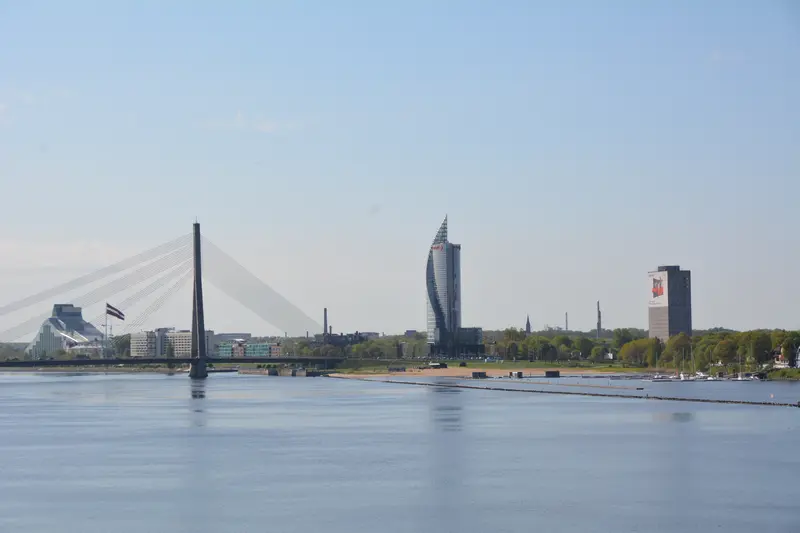
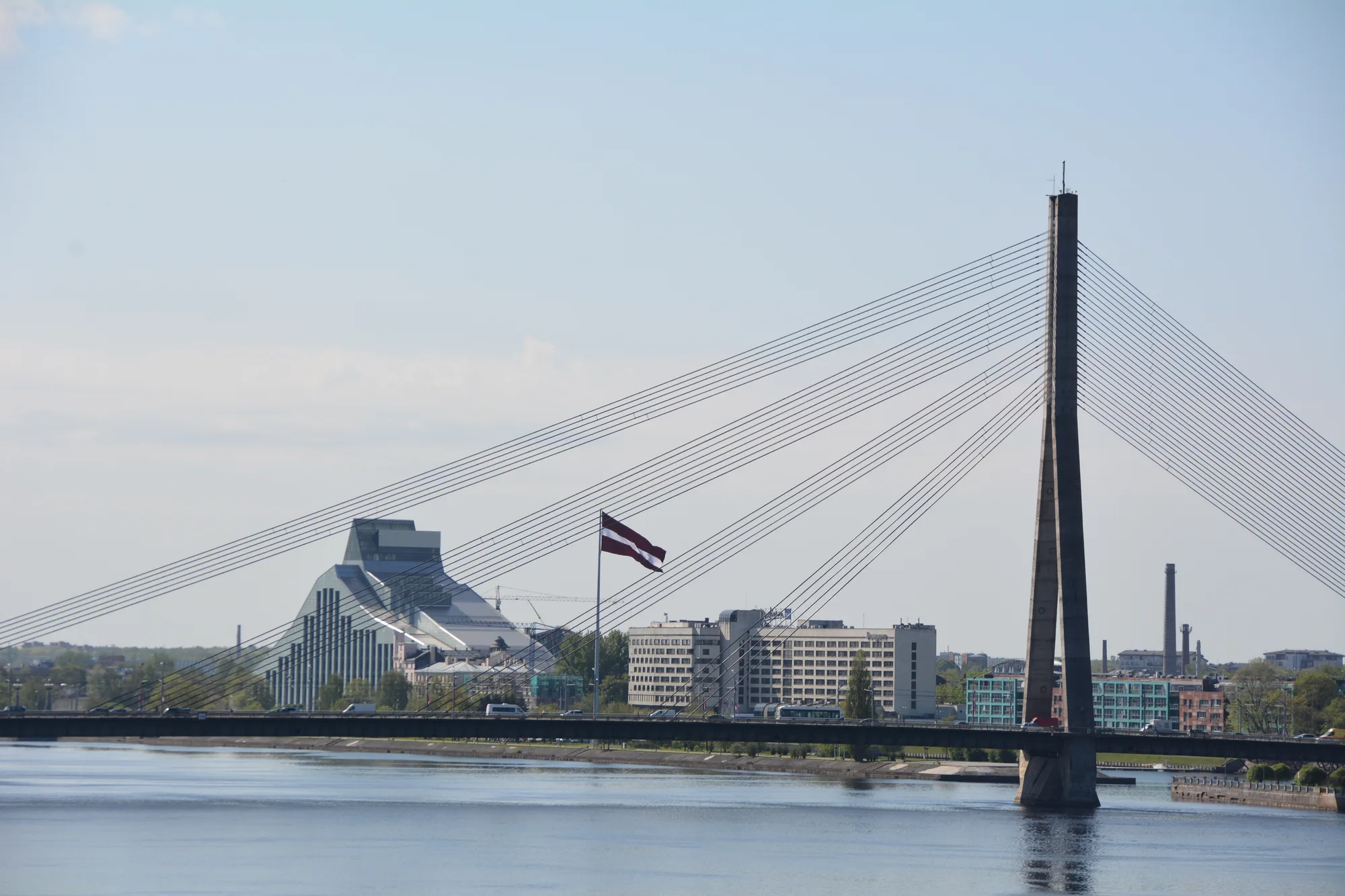
It is one of the more pleasant flat riverside walks near the centre, with open Daugava views, public-art pieces and the restored warehouses on one side. It connects naturally toward the Central Market and the Old Town, so you can fold it into a longer waterfront stroll. Late afternoon, with the low sun on the brick and the water, is the best time.
A simple Spīķeri half-loop you can actually follow
Start inside the Central Market for a few bites, then walk south into the warehouse quarter and out onto the Spīķeri Promenade along the Daugava. Stroll the riverbank as far as feels good, dip back among the brick warehouses to look at whatever gallery or event is on, and finish with a coffee. From there you are perfectly placed to walk the riverfront back toward the Old Town as the sun drops.
The whole thing is flat and unhurried, and it strings together three very different Riga textures — market bustle, open river, and quiet industrial heritage — in well under an hour. It is one of the highest-reward, lowest-effort short walks in the city precisely because everything is already next to each other.
- Central Market bites → warehouse quarter → riverside promenade → coffee.
- Flat, compact and walkable in well under an hour.
- Finish with the riverfront walk back toward the Old Town at golden hour.