 At a glance
- Aim for two anchors per day (one daytime, one evening).
- Keep one flexible slot each day — Riga is better with spontaneity.
- In winter: plan warm stops like a deliberate part of the route.
1 day in Riga (the essentials loop)
If you only have one day, stay tight: Old Town + a river walk, with one café stop you actually sit down for.
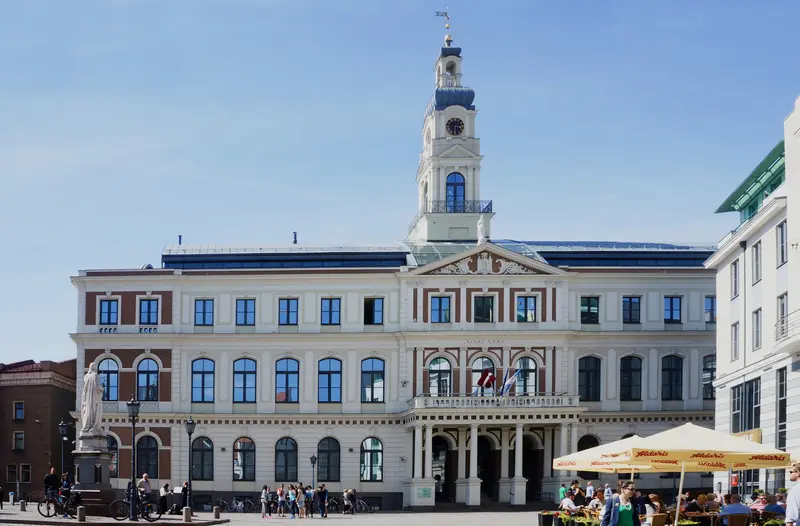
- Morning: Old Town lanes + a landmark anchor (Town Hall Square).
- Midday: Market stop or an easy lunch nearby.
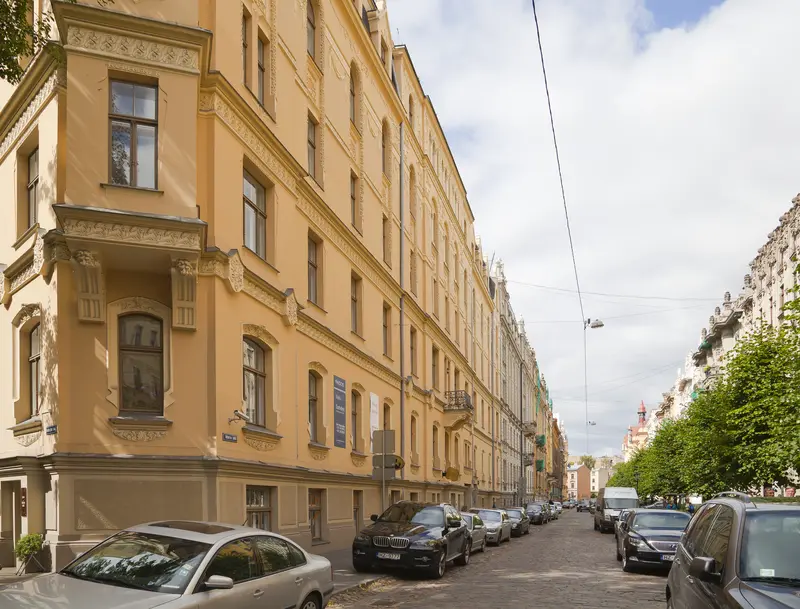
- Afternoon: Art Nouveau streets for a change of texture.
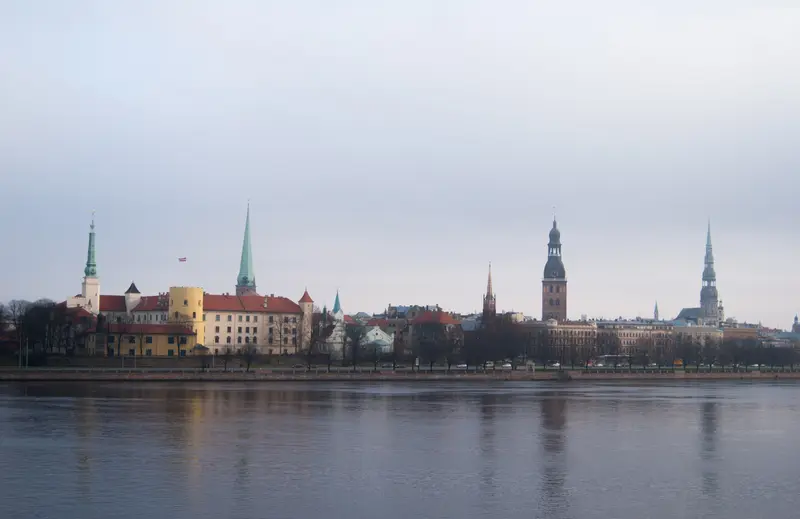
- Evening: river walk + cozy dinner (keep it simple).
2–3 days (the ideal first trip)
With two or three days, you can slow down — and that’s when Riga becomes memorable. Treat one day as “classic Riga” and one as “architecture + food”.
A checklist that maps cleanly onto a 2-day plan.
Food & DrinkFood & drinkA market-first strategy that keeps meals easy.
Itineraries2-day itineraryClassic Riga + architecture + food (with breathing room).
Itineraries3-day itineraryAdds a museum/park day and a slower evening rhythm.
4 days (add a day trip)
If you have four days, the best upgrade is adding a day trip. Don’t fill every hour — keep the final evening light so you end the trip well.

How to read these Riga itineraries
Riga rewards a light hand. The historic core — Vecrīga, the Old Town — is small enough to cross on foot in fifteen minutes, and the grand 19th-century boulevards, the canal park belt, and the Art Nouveau quarter all sit within an easy walk of it. That compactness is the single most useful fact for planning: you almost never need to chase sights across the city, so the goal of every plan below is to group things by where they physically are, then leave space to wander.
Each itinerary is built around the same idea — two solid anchors a day (one in daylight, one in the evening) with a flexible slot in between. That structure holds up whether you have a single afternoon or a long weekend, and it keeps the day from collapsing into a checklist. The Old Town and the surrounding boulevard ring are a UNESCO World Heritage site, which is why so much can be seen on a single slow loop: the medieval lanes and the Art Nouveau apartment blocks were inscribed together.
A note on seasons before you commit to a plan. Riga sits far enough north that summer days stretch past 22:00 and midwinter days can be dark by 16:00, with proper cold and occasional snow from roughly December into March. None of the routes below need to change in summer; in winter, treat every indoor stop — the Central Market halls, a museum, a long café sit — as a deliberate warm anchor rather than an afterthought.
- Walkable by design: Old Town, boulevards, canal park, and Art Nouveau streets cluster together.
- Two anchors a day, one flexible slot — the same skeleton scales from one day to four.
- Summer: very long daylight; plan a late golden-hour walk. Winter: book warm indoor anchors into the route.
- You rarely need transport inside the centre — save transit for the airport, day trips, or a tired evening.
Sources
- UNESCO: Historic Centre of Riga ↗
Why the Old Town and Art Nouveau boulevards are listed together.
- Live Rīga (official tourism) ↗
The city's official visitor site for hours and seasonal events.
The core Riga loop everything else hangs off
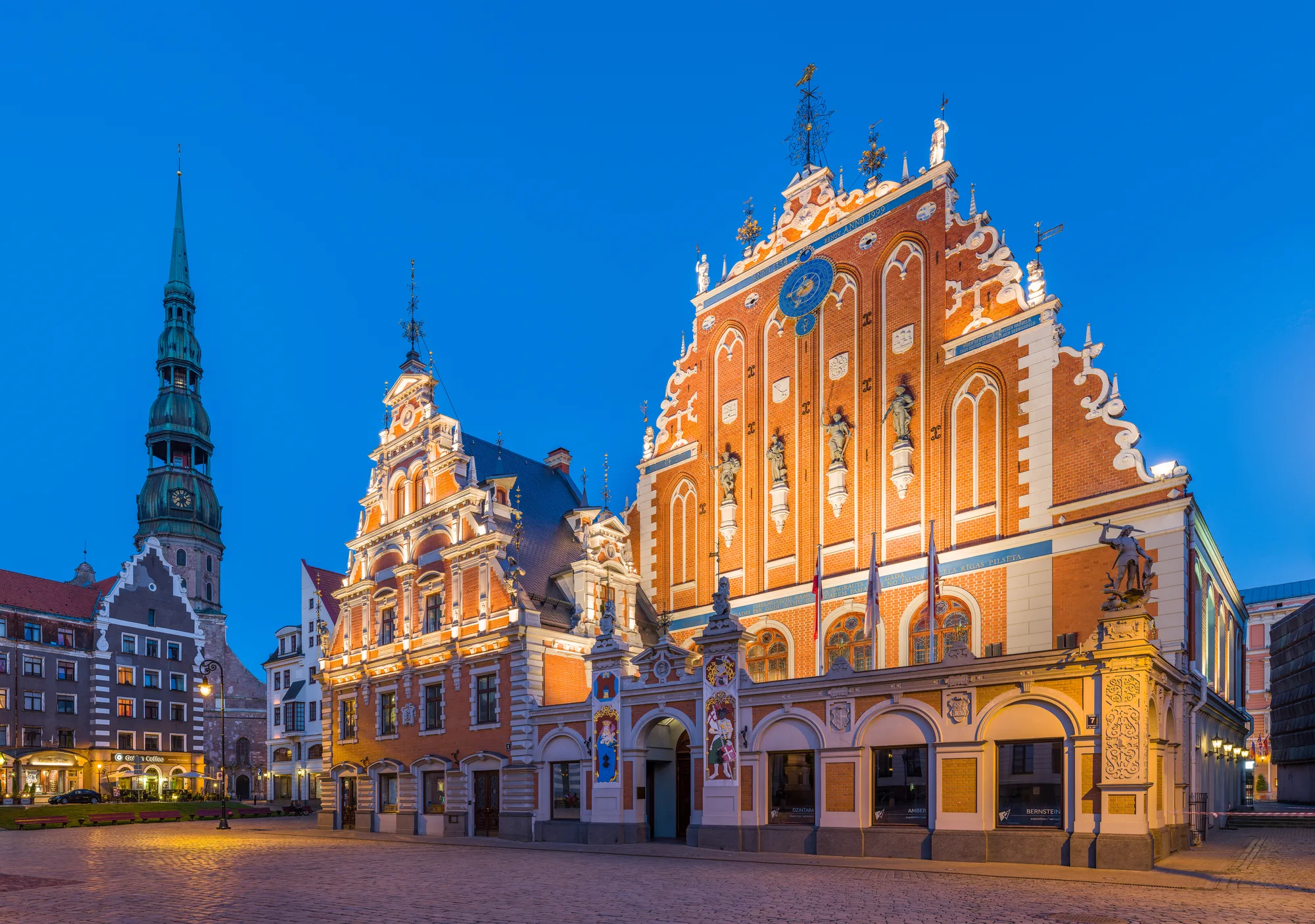
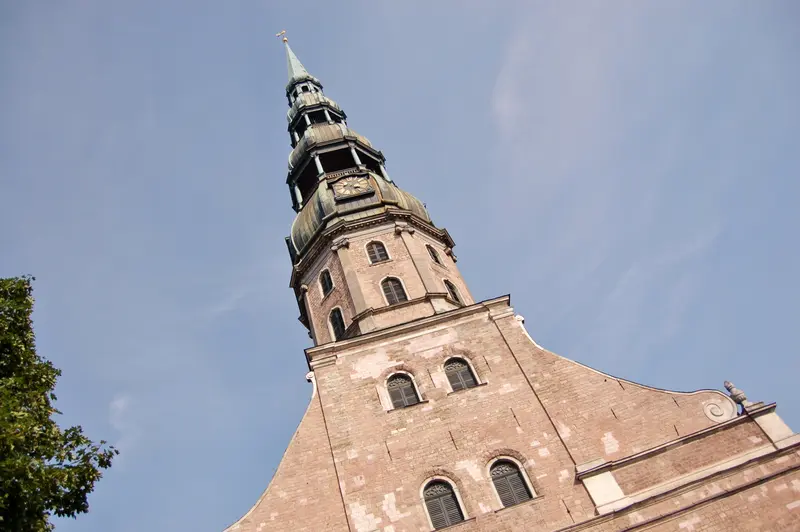
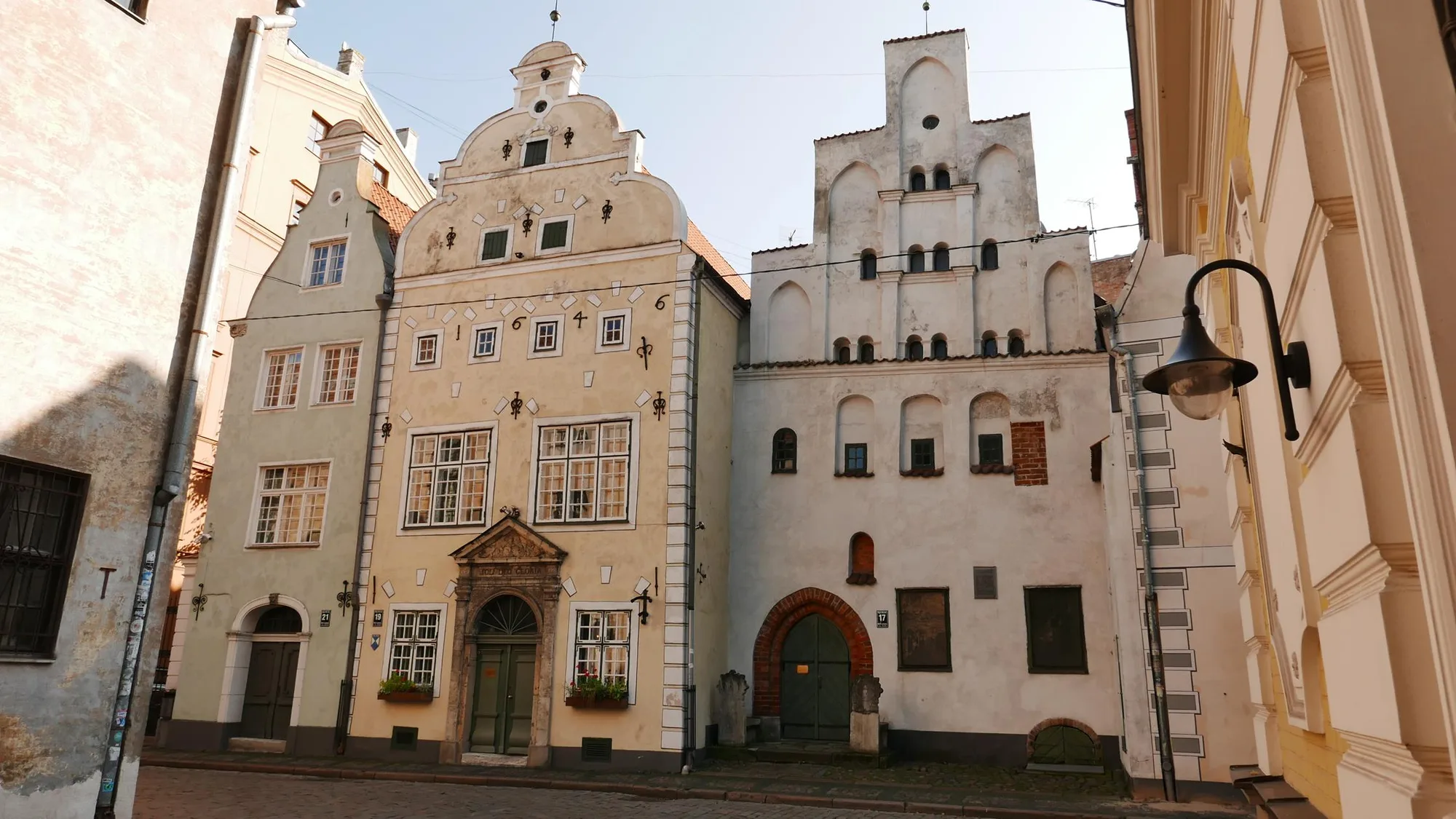
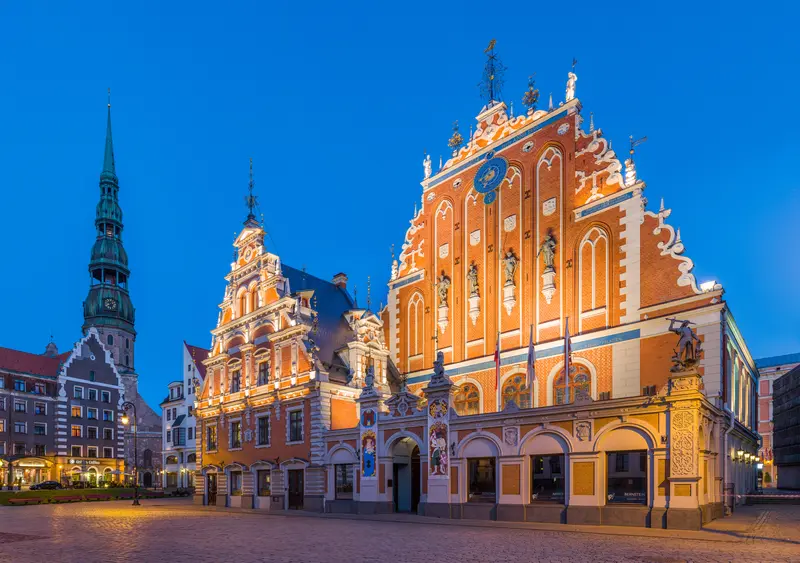
Almost every plan here uses one shared spine, so it is worth knowing it once. Begin at Town Hall Square (Rātslaukums), where the rebuilt House of the Black Heads — the ornate brick-and-stone guild hall — faces the square; from there the lanes pull you north past St. Peter's Church, whose tower carries the best central viewpoint, and on to the small huddle of the Three Brothers, the oldest stone dwelling houses in the city, on Mazā Pils iela.
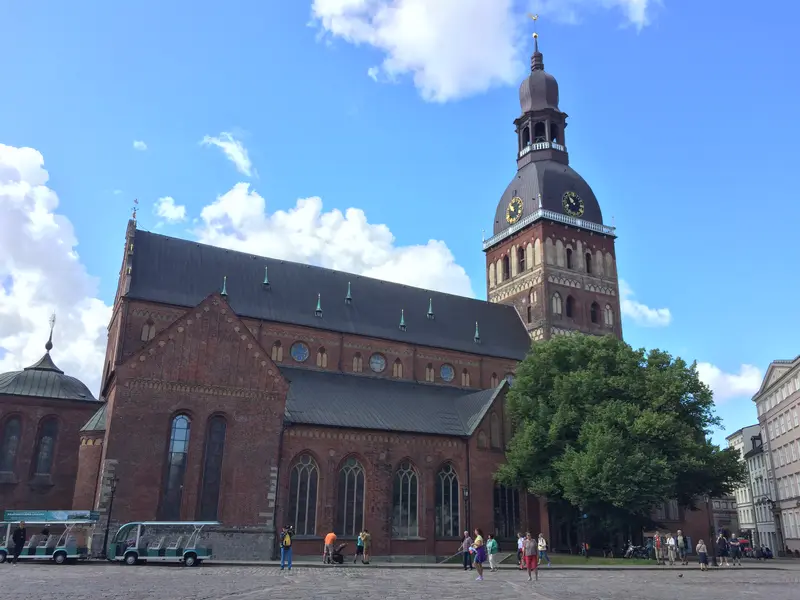
A few steps further is Dome Square (Doma laukums), the largest open square in the Old Town and the home of Riga Cathedral, the biggest medieval church in the Baltics. From the cathedral it is a short walk to the cluster of Swedish Gate, the surviving stretch of city wall, and the Powder Tower. Exit the medieval streets eastward and you reach the Freedom Monument, the 1935 column topped by the figure known as Milda, which marks the seam between the Old Town and the 19th-century city.
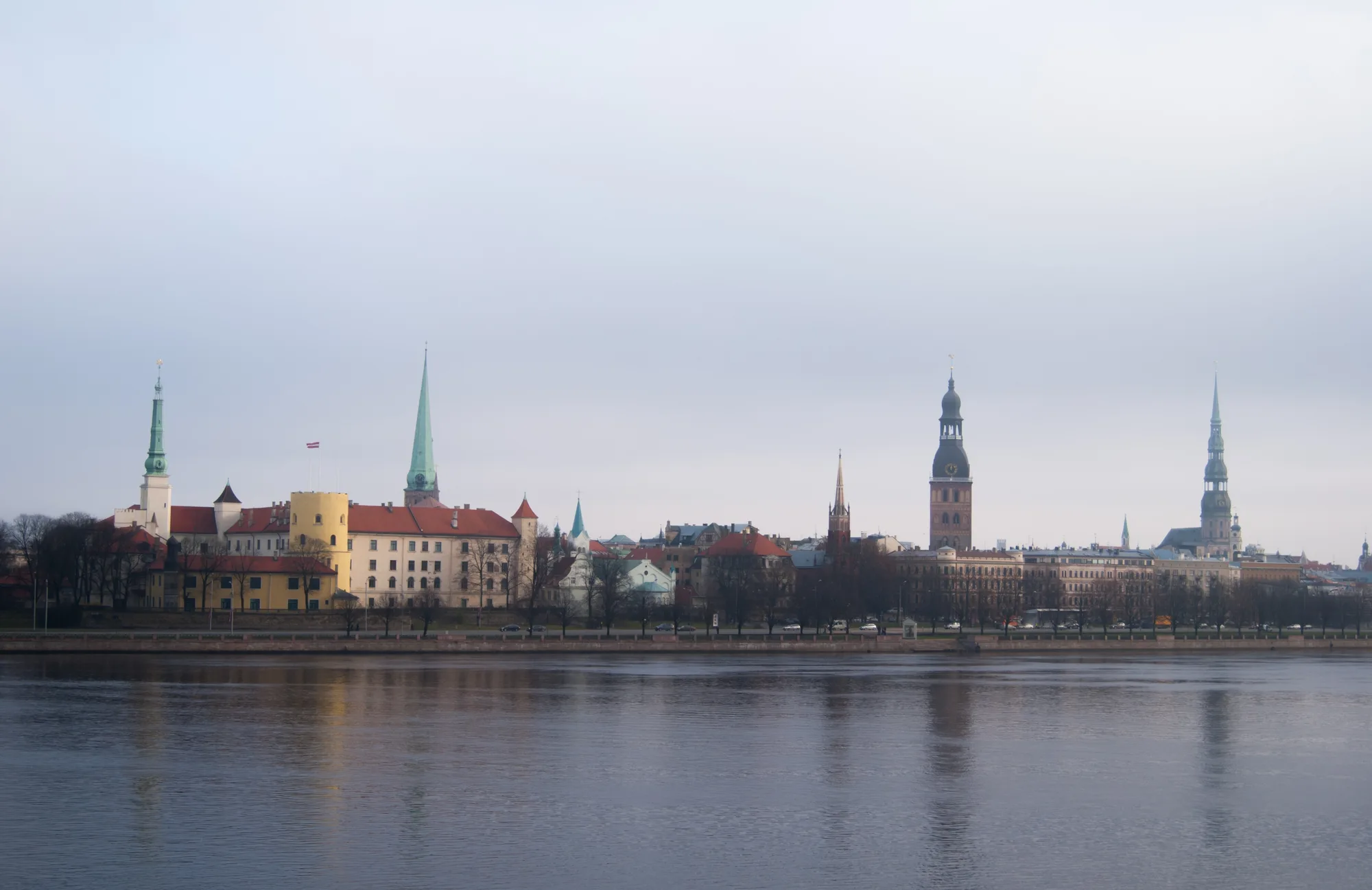
The Freedom Monument stands beside the canal park (Bastejkalns and the Pilsētas kanāls), a ribbon of greenery and water that traces the line of the old fortifications. Following the canal is the gentlest way to reset between denser streets, and it links naturally to the boulevards, the Latvian National Opera, and — a little further north — the Art Nouveau quarter around Alberta iela. Learn this spine and the timed plans below become easy to bend to your own pace.
Adjusting the plans for weather and season
The biggest variable in a Riga trip is not distance — it is daylight and cold. From late spring through early autumn you can run any of these itineraries outdoors end to end, finishing with a long, slow evening walk while the sky is still bright. Midsummer light is genuinely dramatic this far north, so if you are visiting in June or July, deliberately keep one evening free for a riverfront or canal walk after dinner.
From November to March, build warmth into the structure rather than fighting the weather. Use the Central Market's heated pavilions, a museum, or a café you actually sit down in as a midday anchor, and shorten the outdoor segments between them. Snow makes the Old Town genuinely beautiful, but cobbles get slippery, so good footwear matters more than an ambitious schedule. Daylight is short, so do your one outdoor highlight before mid-afternoon.
Shoulder seasons — April–May and September–October — are often the sweet spot: mild enough for long walks, quiet enough to enjoy the squares, and with most attractions on full hours. Whatever the month, treat opening times as the thing most likely to change, and check the official venue site the day before for anything you have set your heart on.
- Summer: extend the evening — daylight runs late, so a post-dinner walk is the highlight.
- Winter: midday warm anchor (market, museum, café), one outdoor highlight before mid-afternoon, sturdy shoes.
- Shoulder seasons: the easiest balance of mild weather, open venues, and calm squares.
- Opening hours shift by season and holiday, so it's worth a glance the day before.
Frequently asked questions about Riga itineraries
How many days do you really need in Riga? Two full days is the sweet spot for a first visit: one day for the classic Old Town and canal loop, one for Art Nouveau, the market, and a museum. One day is enough to feel the city if you stay tight and skip the day trips. Three days lets you add a slower neighbourhood day across the river; four lets you add a day trip without rushing anything.
Do you need a car or much public transport? No. The historic centre, the boulevards, the canal park, and the Art Nouveau streets are all within comfortable walking distance of each other, so most visitors walk almost everything. You will mainly want transport for the airport, for a day trip, or for getting back to your base on a tired evening. When you do ride, a 90-minute time ticket bought in advance is cheaper than paying onboard.
Is Riga walkable in winter? Yes, but plan for it. Days are short and cold, cobbles can be icy, and you will want indoor warm stops spaced through the day. Keep your single outdoor highlight earlier in the afternoon while there is still light, and lean on the market halls, cafés, and museums to break up the cold.
When does Riga get its long summer evenings? Roughly from late May through July, when this northern latitude delivers very long days and late, soft light. If you are visiting then, the single best upgrade to any plan is to leave an evening open for a slow riverfront or canal walk after dinner.
Picking a base that makes any itinerary easier
Where you sleep shapes every plan more than any single sight. Because Riga's highlights cluster so tightly, a base in or right beside the Old Town means almost every day begins and ends on foot — no transport to factor in, no long walks home after dinner. The streets just east of the Old Town, toward the boulevards and the canal park, are an excellent compromise: a few minutes' walk from the medieval core but quieter at night and close to the Art Nouveau quarter.
Consider noise as well as location. The very heart of the Old Town is atmospheric but can be lively after dark near the busiest bar streets, so if you value quiet, aim a block or two off the loudest squares. The boulevard ring and the area around the canal park offer the same walkability with calmer evenings, which matters when your itinerary leans on early starts.
If you are doing a three- or four-day trip with a neighbourhood day or a day trip, proximity to Rīga Central Station is a small bonus, since that is where regional trains leave from. But for most visitors, the deciding factor is simple: stay where you can walk to the Old Town, and the rest of the plan falls into place.
- Base in or beside the Old Town so days start and end on foot.
- For quieter nights, aim a block or two off the busiest bar streets.
- The boulevard ring and canal-park area balance walkability with calm.
- Near Rīga Central Station helps if you plan trains or day trips.
Building in food without losing time
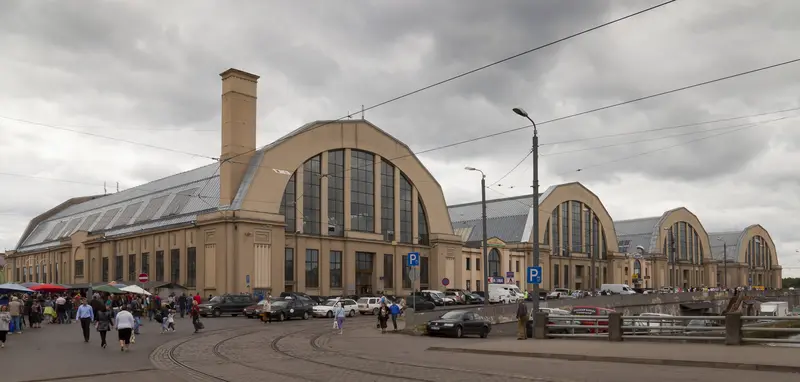
The fastest way to derail a tight itinerary is to spend it deciding where to eat. The simplest fix in Riga is to lean on the Central Market for at least one meal: its five themed pavilions let you graze smoked fish, dark rye bread, local cheese, and seasonal berries without a reservation or a long sit, and the heated halls double as shelter when the weather turns. Treat it as a decision engine, not a destination.
For sit-down meals, pick one good dinner near your base each evening rather than chasing a single 'best' restaurant across the city. The Old Town and the streets just beyond it cover everything from hearty Latvian cooking to lighter modern places; step a block off the busiest squares for better value and quieter rooms. Latvian food leans on rye, potatoes, fish, dairy, and seasonal produce, and it pairs naturally with the market-first approach.
Keep one food ritual that anchors each day — a morning coffee somewhere you like, a market graze at midday, a relaxed dinner near home — and the rest of the itinerary flows around it. That rhythm is what stops a packed day from feeling like a series of rushed refuelling stops.
- Use the Central Market as a no-reservation midday food anchor.
- Pick one good dinner near your base each night, a block off the busy squares.
- Latvian cooking leans on rye, fish, potatoes, dairy, and seasonal produce.
- Keep one food ritual per day and let the plan flow around it.
Common mistakes that flatten a Riga trip
The most frequent planning error is treating Riga like a big city that needs an itinerary packed to the minute. It doesn't — the centre is so compact and walkable that a packed schedule actively works against it, turning a charming, strollable city into a checklist. The fix is to plan fewer stops and take them slowly; the squares, the canal park, and the Art Nouveau streets reward lingering, not speed.
A second mistake is zigzagging across town for minor sights. Because the highlights cluster so tightly, you almost never need to cross the city, and every cross-town detour for a small attraction costs you more in walking and decision-fatigue than it returns. Group your day by area — Old Town, then the market and riverfront, then the Art Nouveau quarter — and the map does the work for you.
The third is ignoring daylight and weather. This far north, summer evenings run very long and winter days end early, so a plan that works in July can leave you in the dark by mid-afternoon in December. Match your outdoor highlights to the light, build warm anchors into cold-season days, and treat opening hours — the detail most likely to change — as something to confirm the night before.
- Don't over-schedule — a compact, walkable city is flattened by a packed plan.
- Don't zigzag — group each day by area and let the map do the work.
- Don't ignore daylight — match outdoor stops to the light, warm anchors to the cold.
Tailoring the plans to who you're travelling with
These itineraries are a skeleton you can flex to suit your group. Couples can lean the whole plan toward atmosphere — quieter mornings, long café breaks, and a dusk walk along the canal or river as the centrepiece of each evening. Riga is unhurried and softly lit after dark, which makes the evenings, more than any single sight, the romantic heart of a trip here.
Families with children should shorten the legs, build in more breaks, and make the Central Market a fun grazing stop rather than a quick errand. The open riverfront and the canal park give kids room to move without much planning, and a single viewpoint or a boat ride along the canal in summer tends to land better than a long museum visit.
Solo travellers and friends get the most from Riga's walkability and easy café culture: keep one anchor a day, leave the rest loose, and let the city's compactness make spontaneous detours painless. Whatever the group, the same rule holds — two anchors and a flexible slot per day, paced for enjoyment over coverage.
- Couples: quieter mornings, long café breaks, dusk waterside walks as the highlight.
- Families: shorter legs, more breaks, the market and riverfront as kid-friendly anchors.
- Solo or friends: lean on walkability and café culture; keep detours spontaneous.
A quick checklist before you set out
Before you start any of these plans, run a short mental checklist so the days flow without friction. Confirm where you're based relative to the Old Town, check the day's weather and daylight, and verify the opening hours of any specific museum or viewpoint you care about, since these shift by season and public holiday. Carry a card for nearly everything and a little cash for markets and tips, wear footwear that handles cobbles, and dress in layers you can shed indoors.
Then keep the plan light in your head: two anchors a day, one flexible slot, and a slow finish near your base. Let the compact, walkable centre do the heavy lifting and don't be afraid to drop a stop if the day is going well on its own. Riga rewards travellers who leave a little room for the city to surprise them.
- Confirm your base, the weather and daylight, and any timed opening hours.
- Card for almost everything, a little cash for markets and tips.
- Comfortable shoes for cobbles and layers you can shed indoors.
- Two anchors, one flexible slot, a slow finish — and room to improvise.
 Location
Riga Central Market
The city’s big market halls — a high-value food stop and a great way to understand everyday Riga fast.
Nearby (walkable)
- Spīķeri
- St. Peter’s Church
- Bremen Town Musicians
- House of the Black Heads
- Latvian Academy of Sciences
- Latvian National Opera
Map pins
Map data © OpenStreetMap contributors · Tiles © OpenFreeMap
 Location
House of the Black Heads
A classic Old Town landmark on Town Hall Square — easy to pair with an evening walk in Vecrīga.
Nearby (walkable)
- St. Peter’s Church
- Riga Cathedral
- Bremen Town Musicians
- Līvu Square
- The Three Brothers
- Cat House (Kaķu nams)
Map pins
Map data © OpenStreetMap contributors · Tiles © OpenFreeMap
 Location
Alberta iela (Art Nouveau)
Riga’s most famous Art Nouveau street — best early for quieter photos and details.
Nearby (walkable)
- Riga Art Nouveau Museum
- Latvian National Museum of Art
- Kronvalda Park
- Esplanāde Park
- Bastejkalna Park
- Freedom Monument
Map pins
Map data © OpenStreetMap contributors · Tiles © OpenFreeMap
 Location
Freedom Monument
The symbolic heart of Riga — a natural meeting point for a city-center walking route.
Nearby (walkable)
- Bastejkalna Park
- Latvian National Opera
- Esplanāde Park
- Līvu Square
- Cat House (Kaķu nams)
- Swedish Gate
Map pins
Map data © OpenStreetMap contributors · Tiles © OpenFreeMap
 Location
St. Peter’s Church
Old Town icon with one of the best viewpoints over Riga’s rooftops.
Nearby (walkable)
- Bremen Town Musicians
- House of the Black Heads
- Līvu Square
- Cat House (Kaķu nams)
- Riga Cathedral
- Latvian National Opera
Map pins
Map data © OpenStreetMap contributors · Tiles © OpenFreeMap
Location
Riga Cathedral
A calm Old Town stop — easy to pair with a slow lane-wandering loop.
Nearby (walkable)
- The Three Brothers
- House of the Black Heads
- Cat House (Kaķu nams)
- Līvu Square
- Swedish Gate
- Riga Castle
Map pins
Map data © OpenStreetMap contributors · Tiles © OpenFreeMap
Location
The Three Brothers
A photogenic Old Town corner: historic houses and classic Riga texture.
Nearby (walkable)
- Riga Cathedral
- Swedish Gate
- Riga Castle
- Cat House (Kaķu nams)
- Līvu Square
- House of the Black Heads
Map pins
Map data © OpenStreetMap contributors · Tiles © OpenFreeMap
 Location
Swedish Gate
A small Old Town landmark that fits perfectly into a wandering route.
Nearby (walkable)
- The Three Brothers
- Cat House (Kaķu nams)
- Līvu Square
- Riga Cathedral
- Bastejkalna Park
- Riga Castle
Map pins
Map data © OpenStreetMap contributors · Tiles © OpenFreeMap
 Location
Latvian National Opera
A classic evening anchor if you want one ‘special’ night in Riga.
Nearby (walkable)
- Freedom Monument
- Bastejkalna Park
- Līvu Square
- Bremen Town Musicians
- Cat House (Kaķu nams)
- St. Peter’s Church
Map pins
Map data © OpenStreetMap contributors · Tiles © OpenFreeMap
 Location
Bastejkalna Park
A gentle green corridor between the center and Old Town — ideal for a reset walk.
Nearby (walkable)
- Freedom Monument
- Līvu Square
- Cat House (Kaķu nams)
- Swedish Gate
- Latvian National Opera
- Esplanāde Park
Map pins
Map data © OpenStreetMap contributors · Tiles © OpenFreeMap