 At a glance
- Day 3 is a ‘texture day’: local neighborhood + slower pace.
- Use markets and cafés as anchors so you don’t spend the day deciding.
- Keep the trip sustainable: one big activity per day is enough.
Day 1: Old Town + canal walk + easy evening
Use Day 1 as your orientation loop: Old Town highlights, a scenic reset walk, and an early night that sets you up to enjoy the next two days.
The goal is not to cram — it’s to understand the city’s layout and save energy for the texture days that make Riga feel special.
- Morning: Old Town lanes + one main square/landmark cluster.
- Afternoon: a canal/park loop to reset your legs and your brain.
- Evening: one calm dinner area, then a short walk back (don’t over-plan).
Day 2: Art Nouveau + market + one museum (optional)
Day 2 is your architecture-and-food day. Walk the Art Nouveau streets slowly, then use the Central Market as a meal anchor. If the weather is cold or rainy, add one museum — otherwise keep it outdoors and cinematic.
- Morning: Art Nouveau streets (details, doors, stairwells, façades).
- Midday: Central Market as your food ‘decision engine’.
- Afternoon: choose one museum only if it improves the day (not because you ‘should’).
Day 3: Āgenskalns (local-feel) + easy evening
If you have three days, use the third to see Riga outside the classic loop. Āgenskalns is a great choice for a slower, everyday-city vibe.
Small upgrades that make the itinerary better
Three days is enough time to make Riga feel personal. These small choices are what turn a decent plan into a great one.
- Choose one evening to be ‘slow’: dinner + a walk, no extra stops.
- Use one market visit to simplify the whole day’s food decisions.
- Keep one afternoon intentionally light — your best photos often happen when you’re not rushing.
How three days in Riga should feel
Three days is where Riga stops being a city you tour and becomes one you settle into. The first two days cover the classics — the medieval Old Town and canal park, then the Art Nouveau streets, the market, and a museum — at a pace that already feels relaxed. The third day is the gift: a slower, texture day spent in a neighbourhood beyond the tourist core, where you see how the city actually lives.
Because everything in the centre is so compact and almost entirely walkable, the real luxury of a third day is not more sights but more space between them. The structure below keeps one big anchor per day and leaves the rest loose. That restraint is deliberate — Riga's best moments tend to arrive when you are not rushing toward the next thing.
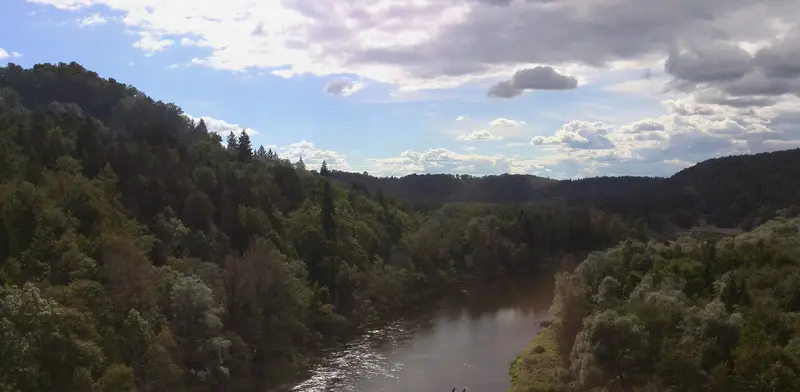
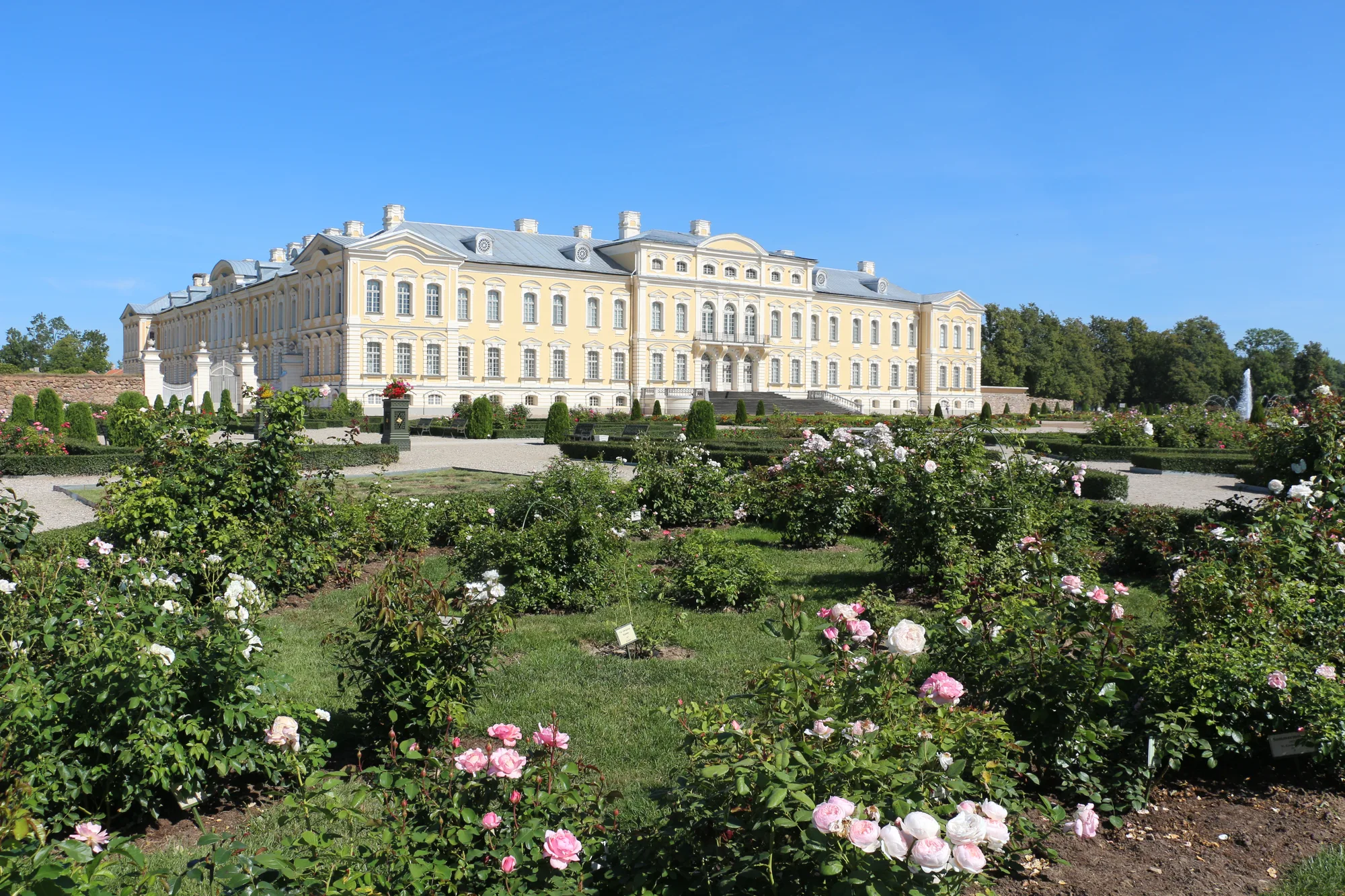
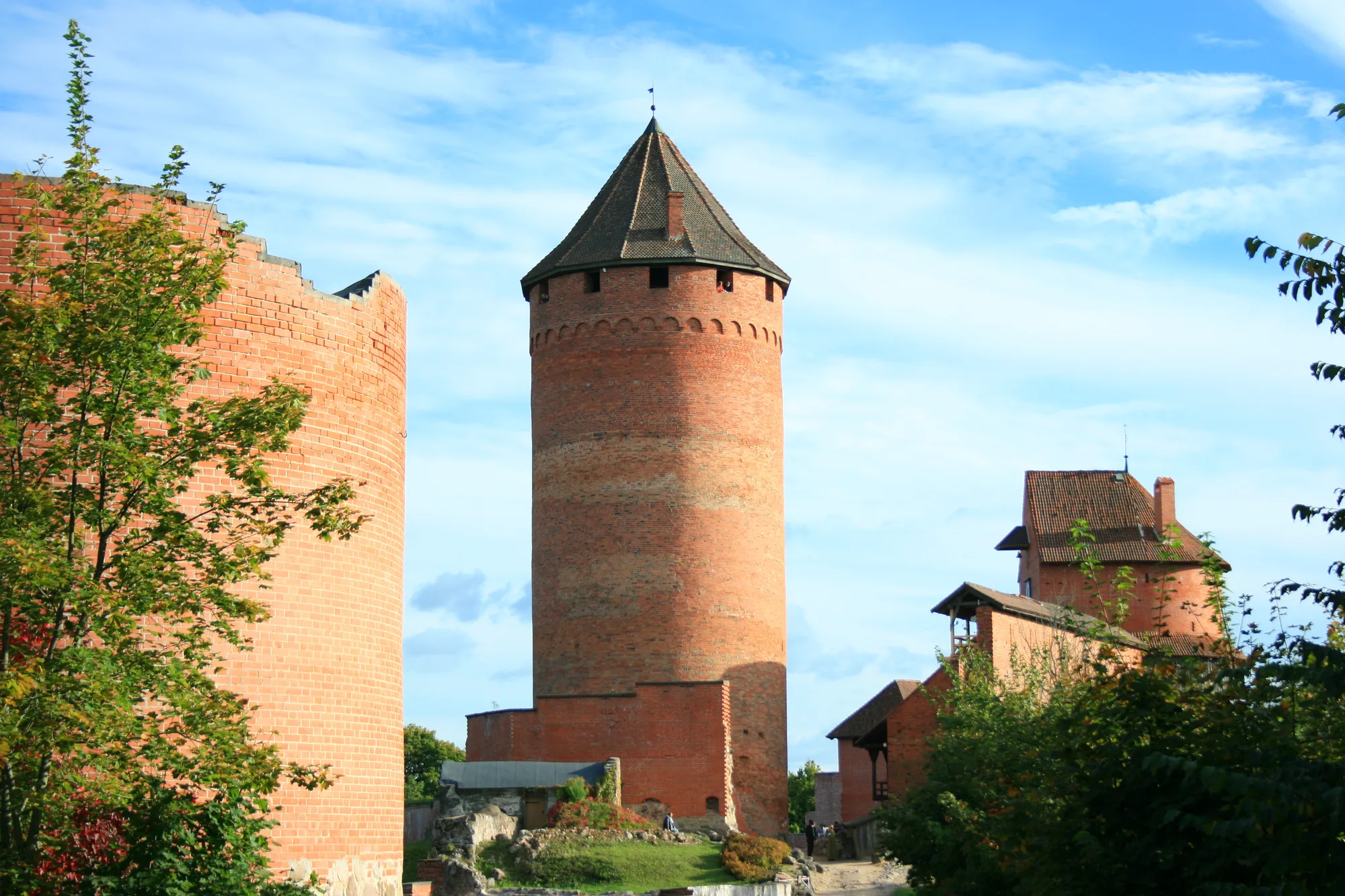
If you would rather use the third day for a half-day escape than a neighbourhood, the city's day trips slot in easily; the suburbs of Jūrmala on the coast and the castles of Sigulda in the Gauja valley are both short train rides away. But for a first visit, a local-feel day inside Riga is the more characterful choice.
- Days 1–2: the classics at a relaxed pace (Old Town, canal park, Art Nouveau, market, museum).
- Day 3: a slower neighbourhood day for texture and everyday city life.
- One big anchor per day, plenty of space in between — restraint is the point.
Sources
- Live Rīga (official tourism) ↗
Official source for hours, events, and neighbourhood ideas.
Day 1 in detail: orientation through the Old Town and canal
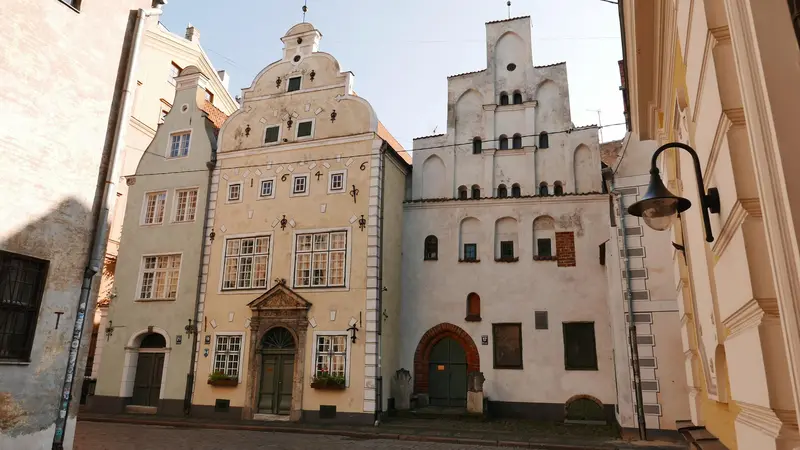
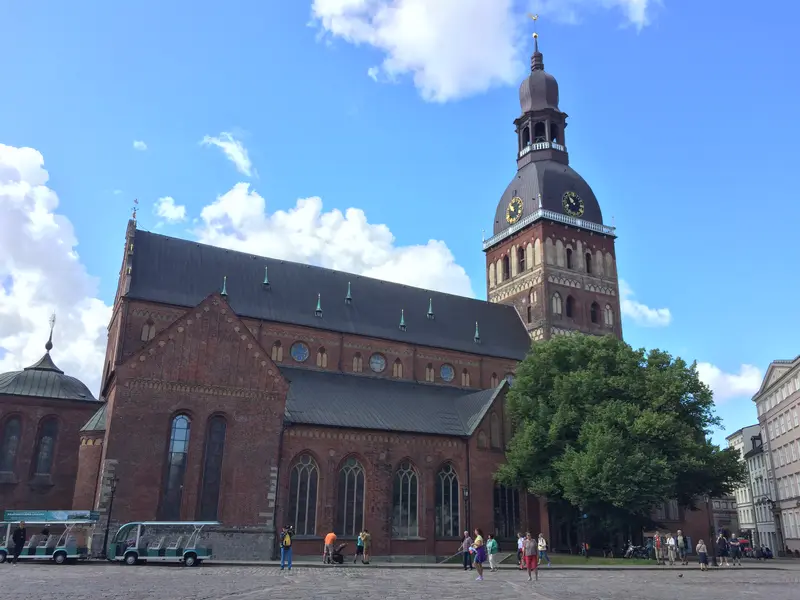
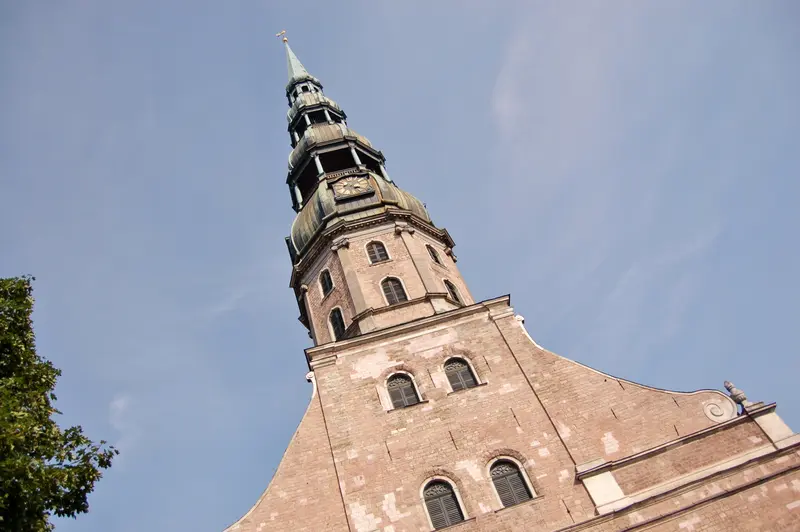
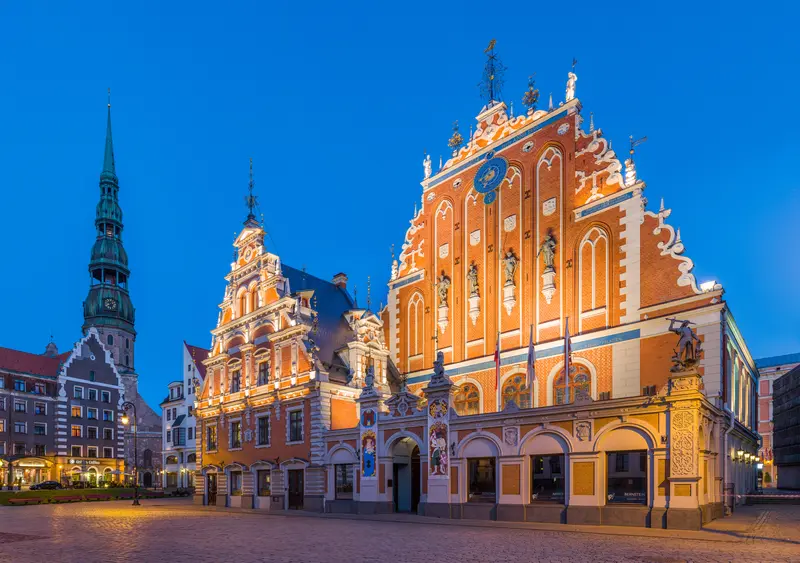
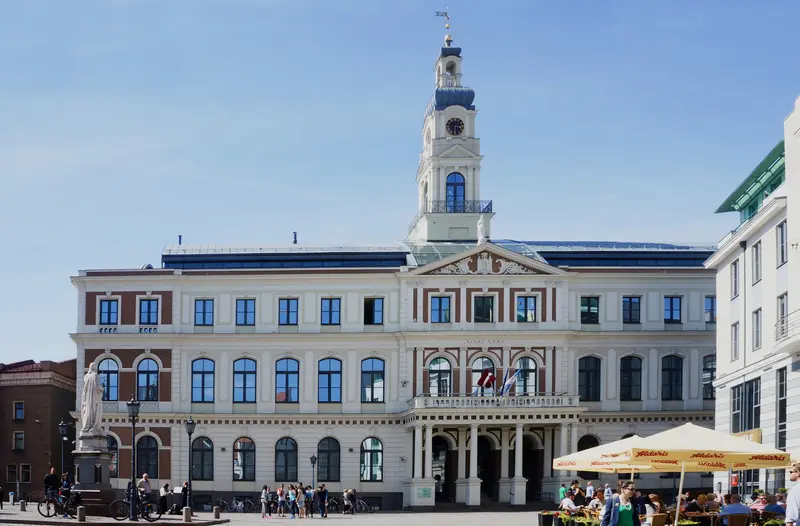
Begin in the medieval core early, while the lanes are quiet. From Town Hall Square and the House of the Black Heads, drift north past St. Peter's Church — go up the tower for the central viewpoint while it is calm — then on to the Three Brothers, the oldest stone houses in the city, and Dome Square with Riga Cathedral, the largest medieval church in the Baltics. Close the loop by the Swedish Gate, the old city wall, and the Powder Tower.
In the afternoon, leave the medieval streets for the canal park. Follow the green ribbon from the Freedom Monument past Bastejkalns hill and the Latvian National Opera; it is the gentlest walk in Riga and the perfect counterweight to a morning of cobbles. In summer a small boat cruises the same canal if you'd rather sit.
Keep the first evening easy. Eat near your base, then take a short after-dark loop through the Old Town squares, which feel like a different, quieter city once the day visitors leave. Day 1 is about learning the layout and saving energy — don't be tempted to stack a second major sight on top.
- Morning: House of the Black Heads → St. Peter's tower → Three Brothers → Dome Square.
- Afternoon: the canal park from the Freedom Monument to the Opera.
- Evening: dinner near your base and a quiet after-dark Old Town loop.
Day 2 in detail: Art Nouveau, the market, and the riverfront
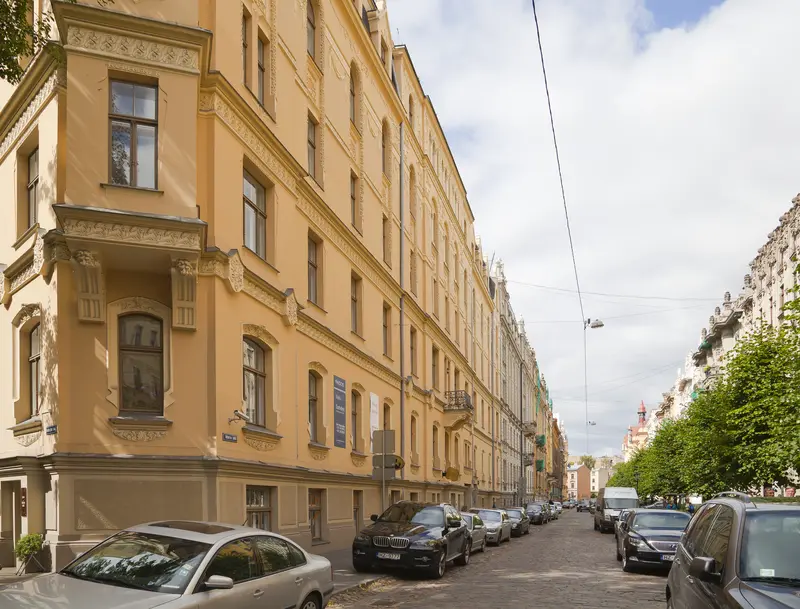
Give the second morning to the Art Nouveau quarter around Alberta iela and Elizabetes iela — one of the densest concentrations of the style anywhere and a major reason the centre is UNESCO-listed. Walk slowly with your eyes up: carved faces, masks, peacocks, and sinuous ironwork cover the façades, several designed by Mikhail Eisenstein. One or two blocks taken carefully beat a hurried sweep.
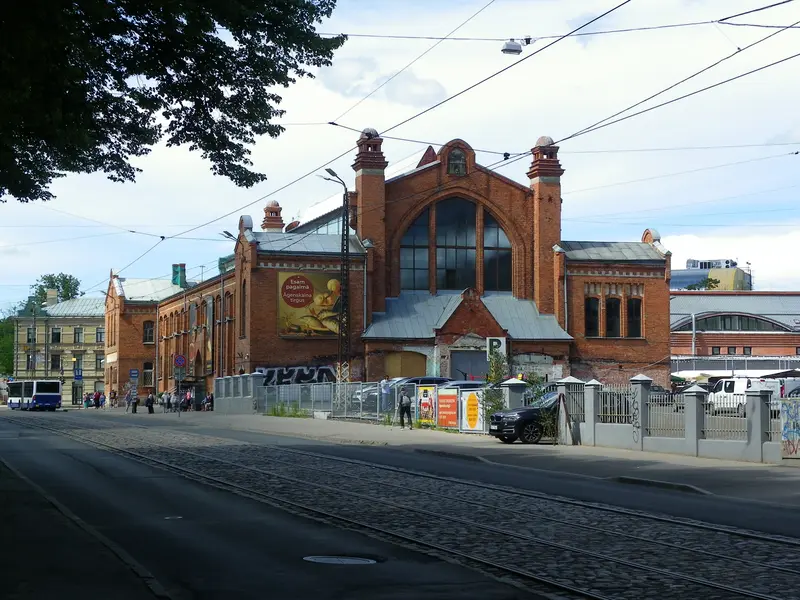
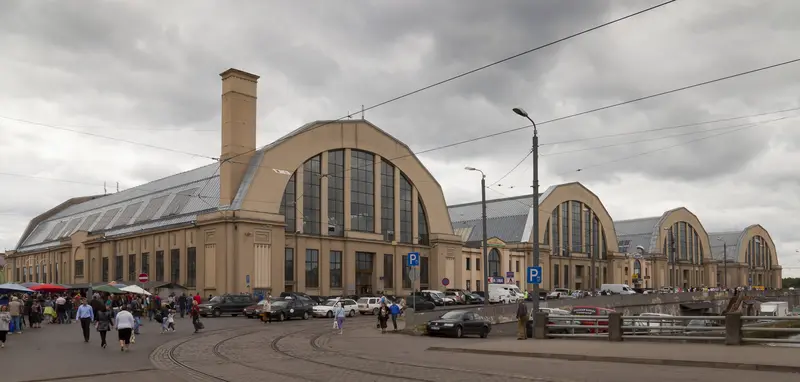
At midday, use the Central Market as your food anchor — five hangar-sized pavilions, among the largest in Europe, with themed halls for produce, meat, dairy, fish, and gastronomy. Graze on smoked fish, dark rye bread, local cheese, and seasonal berries. The heated pavilions also double as the best wet-weather shelter in the city.
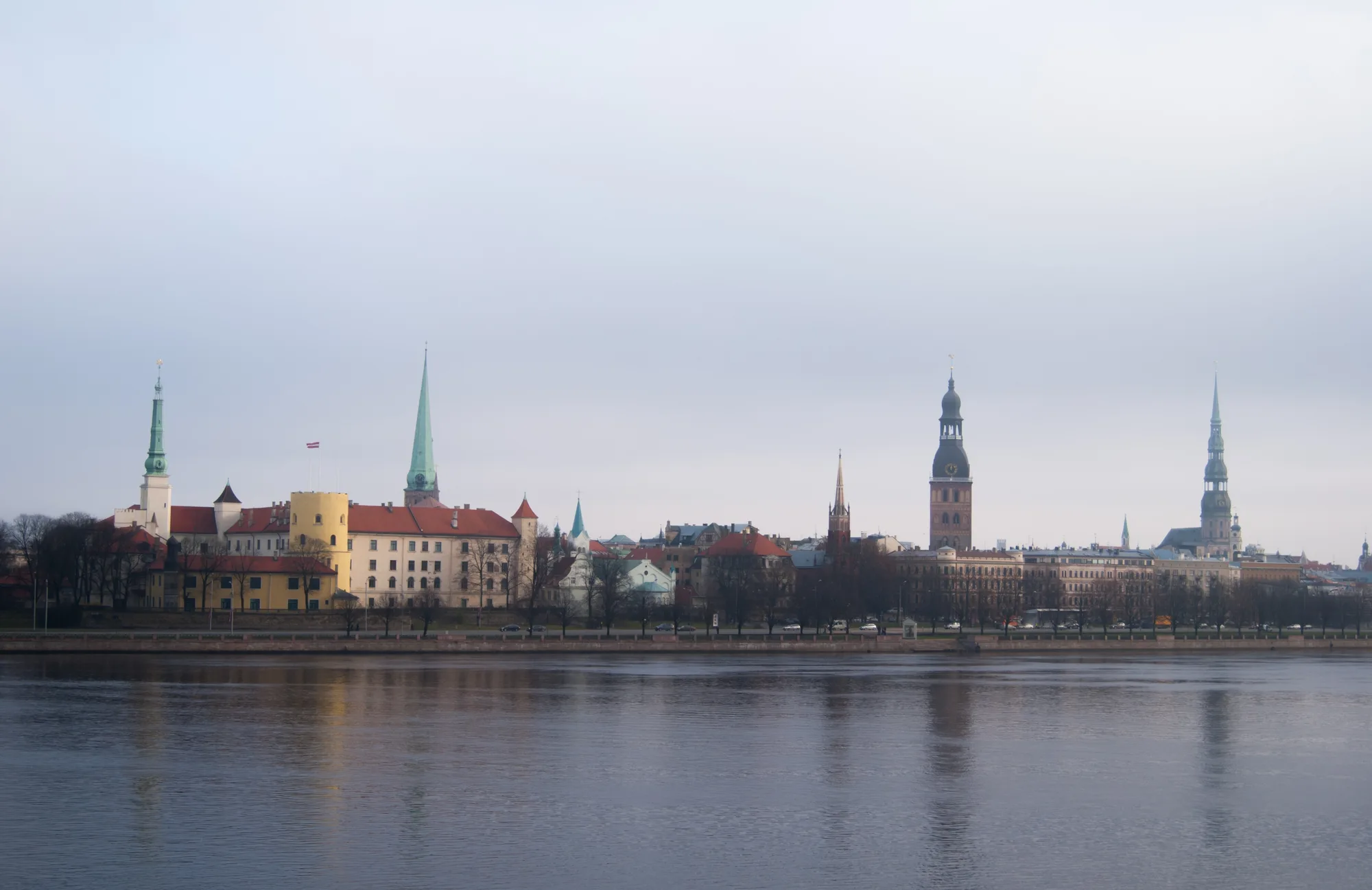
In the afternoon, add one museum only if it improves the day — the Latvian National Museum of Art near the canal park is a strong single choice. Finish on the Daugava riverfront or with a dusk canal loop. In summer, the late northern light makes this the highlight of the trip; in winter, go earlier and warm up over dinner afterwards.
- Morning: a slow, details-first walk of Alberta iela and Elizabetes iela.
- Midday: graze the Central Market's themed pavilions.
- Afternoon/evening: one optional museum, then the riverfront or canal at dusk.
Day 3 in detail: a local-feel neighbourhood day
The third day is where Riga opens up. Cross the Daugava to Āgenskalns on the Pārdaugava (left bank) for a slower, residential side of the city — wooden architecture, a neighbourhood market, leafy streets, and the everyday rhythm that the centre's crowds hide. It is close enough to reach easily and far enough to feel like a different place.
Treat the day as half-structured at most. Browse the local market, find a café, walk the quiet streets, and let the pace drop. If you'd rather stay near the centre, the Miera iela district north of the Old Town offers a similar low-key, creative feel with independent shops and cafés. The goal is texture, not coverage.
Save the evening for one calm finish: a relaxed dinner and, if you like, a quiet bar to toast the trip. Because you are not chasing a final must-see, the third evening tends to be the most enjoyable of the three — the city has stopped being a list and started feeling familiar.
- Cross the river to Āgenskalns for wooden houses, a local market, and quiet streets.
- Alternative: Miera iela north of the centre for an independent, creative feel.
- Half-structured at most — the point is texture, not a checklist.
If you'd rather make Day 3 a day trip
A neighbourhood day is the most characterful use of a third day, but Riga's surroundings are genuinely rewarding if you'd prefer a change of scenery. The easiest contrast is Jūrmala, the seaside resort strip a short train ride west, where the pace slows to wide beaches and pine air. For nature and castles, Sigulda and the Gauja valley sit about an hour east by train.
Whichever you choose, keep it a half-to-three-quarter day rather than a marathon, and aim to be back in Riga for a relaxed evening. Trains from Rīga Central Station are frequent and inexpensive, and you can buy tickets at the station or onboard; check the operator's timetable the day before so the return doesn't dictate your whole afternoon.
If you are visiting in winter, weigh a day trip carefully against short daylight — a neighbourhood day inside the city is the safer, warmer call when the light fades by mid-afternoon.
Three-day Riga FAQ
Is three days too many for Riga? Not at all — three days lets you see the classics without rushing and still spend a day living more like a local. It only feels long if you try to keep the city at full tourist pace the whole time; the trick is to let the third day slow right down.
Should the third day be a neighbourhood or a day trip? For a first visit, a neighbourhood day across the river gives the most distinctive sense of Riga. Choose a day trip instead if you specifically want the coast (Jūrmala) or nature and castles (Sigulda), and you are visiting in a season with enough daylight to enjoy it.
How much will you walk over three days? A lot, but almost all flat and within or just beyond the compact centre. Good footwear for cobbles matters more than anything; you will rarely need transport except for the airport, an optional day trip, or a tired evening ride home.
Does the plan change in winter? Mainly the timing. Do outdoor highlights and viewpoints earlier while there is light, use the market halls, cafés, and a museum as warm midday anchors, and favour the neighbourhood day over a long day trip. Snow makes the Old Town and the canal park quietly beautiful.
Where to stay and how to get around for three days
Over three days, a well-chosen base pays off every single day. Stay in or beside the Old Town so the first two days run almost entirely on foot, and you'll only need transport for the third day's neighbourhood across the river — or for the airport. The streets between the Old Town and the canal park are ideal: close to everything, near the Art Nouveau quarter, and quieter at night than the busiest squares.
Getting around is simple. The centre is compact and flat, so you'll walk the first two days and most of the third; when you do cross the river to Āgenskalns or head out on an optional day trip, a tram or bus covers it cheaply, and Rīga Central Station handles regional trains. Buy a 90-minute transit ticket in advance rather than paying more onboard, and only consider a day ticket if you expect several rides in a day.
If quiet evenings matter to you — and on a three-day trip they should, since you'll want to recharge — aim a block or two off the loudest bar streets. The boulevard ring gives the same walkability with calmer nights, which keeps a longer trip sustainable.
- Base in or beside the Old Town; you'll walk almost everything for two days.
- Cross the river or take a day trip on Day 3 by cheap tram, bus, or train.
- Buy a 90-minute ticket in advance; a day ticket only if you ride a lot.
- Stay off the loudest streets to keep a longer trip restful.
Pacing a three-day trip so it doesn't sag
The risk on a three-day trip is a midpoint slump — the classics done, the energy dipping, the temptation to drift. The cure is built into this plan: by giving Day 3 a completely different texture from the first two, you reset the trip rather than repeat it. A slower neighbourhood day across the river, or a short escape to the coast or the Gauja valley, feels like a small change of scene that re-energises the whole visit.
Protect the pace deliberately. One big activity per day is genuinely enough here; the city is too compact and too pleasant to need a packed schedule, and over-planning a walkable place tends to flatten it. Use markets and cafés as anchors so you don't burn the day deciding where to eat, and keep at least one evening completely slow — dinner and a walk, nothing else.
Weather is the main thing to plan around. In summer, the long northern light makes evening walks the highlight, so leave them open; in winter, do outdoor highlights earlier in the short days, lean on warm indoor anchors, and favour the in-city neighbourhood day over a long day trip. Whatever the season, check opening hours the day before for anything specific.
- Give Day 3 a different texture to reset the trip, not repeat it.
- One big activity per day is plenty — over-planning flattens a compact city.
- Use markets and cafés as anchors; keep at least one evening fully slow.
- Summer: leave evenings open. Winter: front-load outdoor stops, favour the city day.
Food and drink across three days
Three days is enough to settle into Riga's food rhythm rather than just refuel. Anchor at least one day around the Central Market — its themed pavilions let you graze smoked fish, dark rye bread, local cheese, and seasonal berries without a reservation, and the heated halls double as shelter when the weather turns. Use it as a decision engine so you don't spend the trip debating where to eat.
For sit-down meals, pick one good dinner near your base each evening and walk a block or two off the busiest Old Town squares for better value and quieter rooms. Latvian cooking leans on rye, potatoes, fish, dairy, and seasonal produce; over three days you have room to try both the hearty traditional side and the lighter modern places the city does well. On the local-feel third day, eat where the neighbourhood eats — a market café in Āgenskalns or an independent spot on Miera iela.
Build one easy food ritual into each day — a favourite morning coffee, a midday market graze, a relaxed dinner — and the trip's logistics shrink to almost nothing. Coffee culture is strong here, so a sit-down café break is also the simplest way to rest your feet and warm up between walks.
- Anchor one day around the Central Market's no-reservation grazing.
- Pick one good dinner near your base each night, off the busiest squares.
- On the local day, eat where the neighbourhood eats (Āgenskalns or Miera iela).
- Keep one food ritual a day to simplify the whole trip.
 Location
Riga Central Market
The city’s big market halls — a high-value food stop and a great way to understand everyday Riga fast.
Nearby (walkable)
- Spīķeri
- St. Peter’s Church
- Bremen Town Musicians
- House of the Black Heads
- Latvian Academy of Sciences
- Latvian National Opera
Map pins
Map data © OpenStreetMap contributors · Tiles © OpenFreeMap
 Location
House of the Black Heads
A classic Old Town landmark on Town Hall Square — easy to pair with an evening walk in Vecrīga.
Nearby (walkable)
- St. Peter’s Church
- Riga Cathedral
- Bremen Town Musicians
- Līvu Square
- The Three Brothers
- Cat House (Kaķu nams)
Map pins
Map data © OpenStreetMap contributors · Tiles © OpenFreeMap
 Location
Alberta iela (Art Nouveau)
Riga’s most famous Art Nouveau street — best early for quieter photos and details.
Nearby (walkable)
- Riga Art Nouveau Museum
- Latvian National Museum of Art
- Kronvalda Park
- Esplanāde Park
- Bastejkalna Park
- Freedom Monument
Map pins
Map data © OpenStreetMap contributors · Tiles © OpenFreeMap
 Location
Freedom Monument
The symbolic heart of Riga — a natural meeting point for a city-center walking route.
Nearby (walkable)
- Bastejkalna Park
- Latvian National Opera
- Esplanāde Park
- Līvu Square
- Cat House (Kaķu nams)
- Swedish Gate
Map pins
Map data © OpenStreetMap contributors · Tiles © OpenFreeMap
 Location
St. Peter’s Church
Old Town icon with one of the best viewpoints over Riga’s rooftops.
Nearby (walkable)
- Bremen Town Musicians
- House of the Black Heads
- Līvu Square
- Cat House (Kaķu nams)
- Riga Cathedral
- Latvian National Opera
Map pins
Map data © OpenStreetMap contributors · Tiles © OpenFreeMap
Location
Riga Cathedral
A calm Old Town stop — easy to pair with a slow lane-wandering loop.
Nearby (walkable)
- The Three Brothers
- House of the Black Heads
- Cat House (Kaķu nams)
- Līvu Square
- Swedish Gate
- Riga Castle
Map pins
Map data © OpenStreetMap contributors · Tiles © OpenFreeMap
Location
The Three Brothers
A photogenic Old Town corner: historic houses and classic Riga texture.
Nearby (walkable)
- Riga Cathedral
- Swedish Gate
- Riga Castle
- Cat House (Kaķu nams)
- Līvu Square
- House of the Black Heads
Map pins
Map data © OpenStreetMap contributors · Tiles © OpenFreeMap
 Location
Swedish Gate
A small Old Town landmark that fits perfectly into a wandering route.
Nearby (walkable)
- The Three Brothers
- Cat House (Kaķu nams)
- Līvu Square
- Riga Cathedral
- Bastejkalna Park
- Riga Castle
Map pins
Map data © OpenStreetMap contributors · Tiles © OpenFreeMap
 Location
Latvian National Museum of Art
A solid museum anchor for a slower afternoon (especially in winter).
Nearby (walkable)
- Esplanāde Park
- Alberta iela (Art Nouveau)
- Freedom Monument
- Bastejkalna Park
- Riga Art Nouveau Museum
- Kronvalda Park
Map pins
Map data © OpenStreetMap contributors · Tiles © OpenFreeMap
Location
Latvian National Opera
A classic evening anchor if you want one ‘special’ night in Riga.
Nearby (walkable)
- Freedom Monument
- Bastejkalna Park
- Līvu Square
- Bremen Town Musicians
- Cat House (Kaķu nams)
- St. Peter’s Church
Map pins
Map data © OpenStreetMap contributors · Tiles © OpenFreeMap
 Location
Bastejkalna Park
A gentle green corridor between the center and Old Town — ideal for a reset walk.
Nearby (walkable)
- Freedom Monument
- Līvu Square
- Cat House (Kaķu nams)
- Swedish Gate
- Latvian National Opera
- Esplanāde Park
Map pins
Map data © OpenStreetMap contributors · Tiles © OpenFreeMap
Location
Jūrmala
The classic easy day trip for beach air and a different pace from the city.
Map pins
Map data © OpenStreetMap contributors · Tiles © OpenFreeMap
 Location
Sigulda (Gauja Valley)
A top day trip for nature views and castles — easy to combine with Turaida.
Map pins
Map data © OpenStreetMap contributors · Tiles © OpenFreeMap