
 At a glance
- For most first trips: stay near Old Town, but not on the loudest squares.
- If you’re sensitive to noise: base yourself just outside the core and walk in.
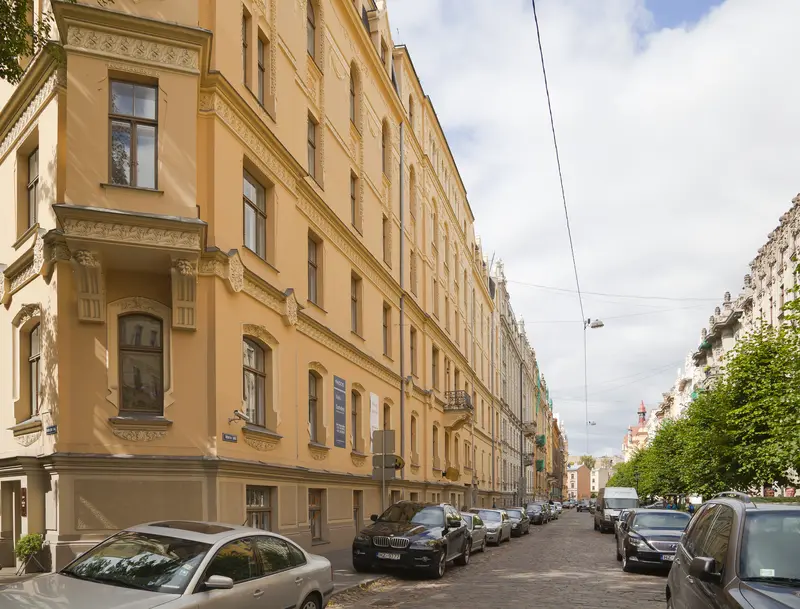
- If you love architecture: stay near Centrs for early morning Art Nouveau walks.
 Quick facts
- Getting there
- A central base keeps most of the trip on foot.
- Best for
- First-timers choosing between Old Town, Centrs and across-river bases.
- Good to know
- The edges of the Old Town are walkable but calmer than the busiest squares.


A simple decision framework
Pick your base based on how you want evenings to feel. If you want to walk home from dinner and keep the night calm, prioritize a quieter street within easy walking distance.
- Classic first-time base: edges of Old Town (walkable, but calmer).
- Architecture base: Centrs (good for Art Nouveau days).
- Local-feel base: across the river, if you’re okay with short transit/taxi hops.
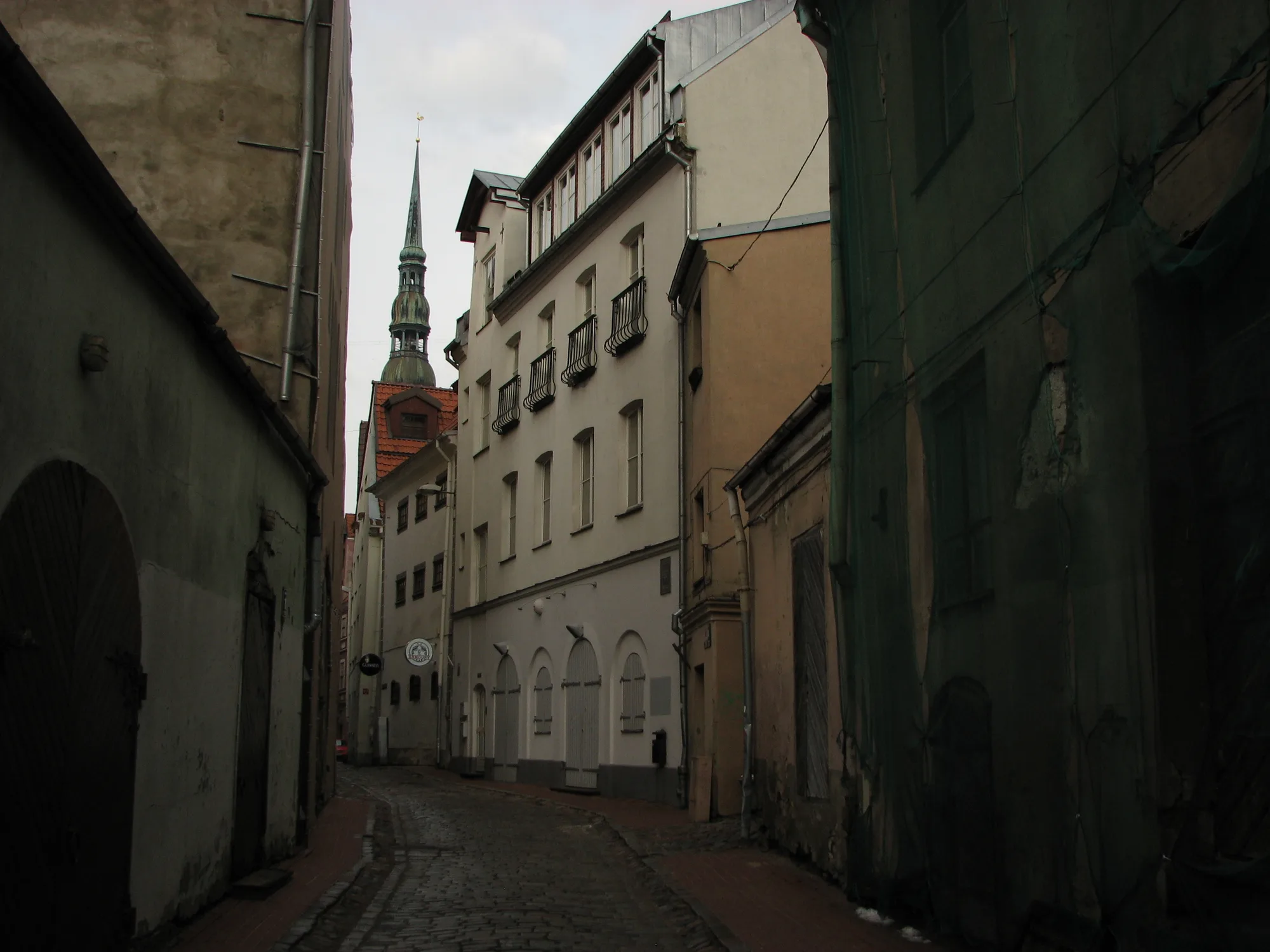
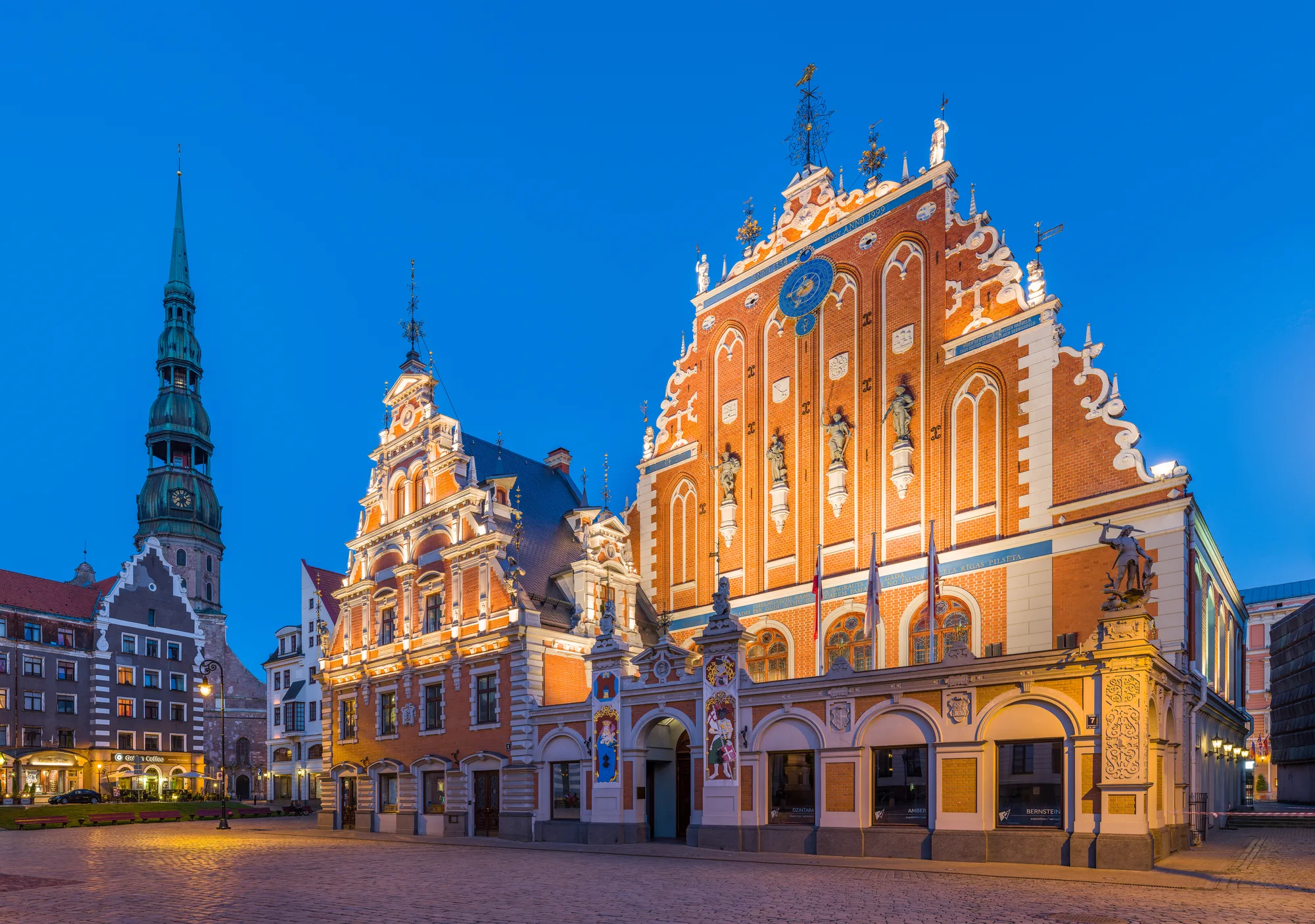
Old Town: choose it for atmosphere, not silence
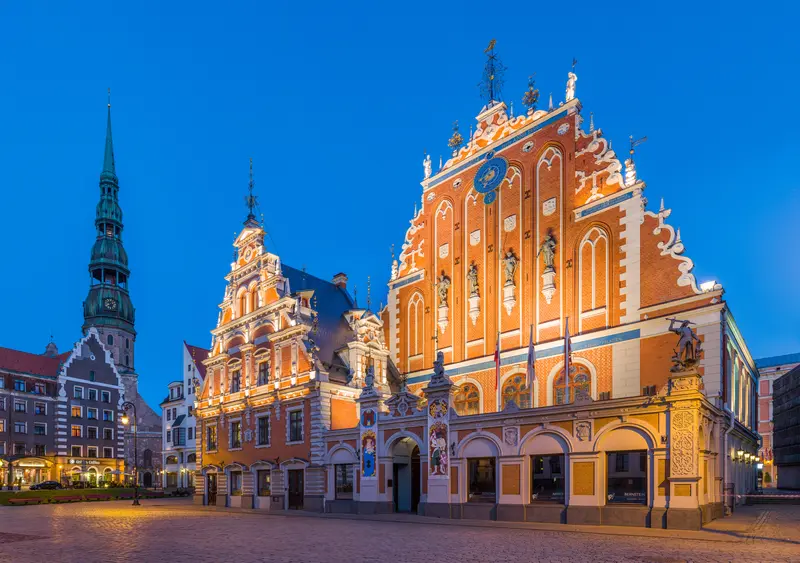
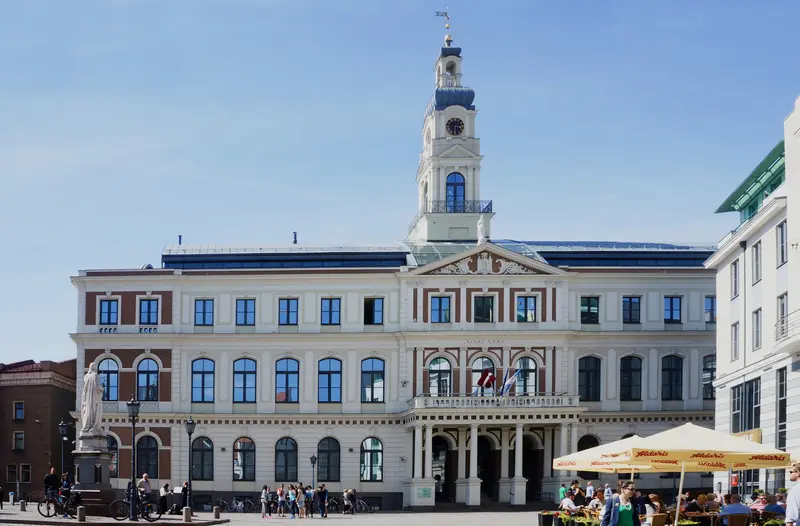
Vecrīga is the UNESCO-listed medieval core: cobbled lanes, churches, squares and the highest density of sights and restaurants. It is the right base for a short first visit if you want to walk home after dinner and make the most of every hour. The trade-off is noise around the busiest squares, especially at weekends. A street on the edge of the quarter or a courtyard-facing room is the useful compromise.
- Most atmospheric and central; busiest squares get loud at night.
- Choose an edge street for a better balance of access and sleep.
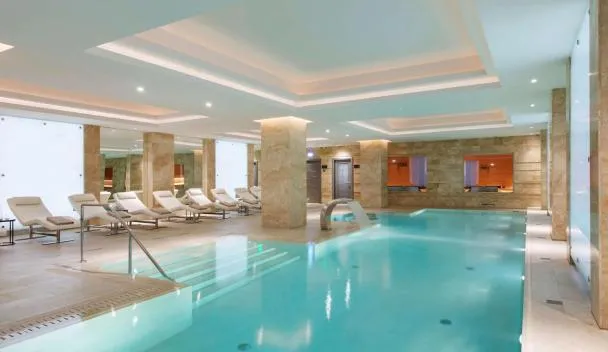
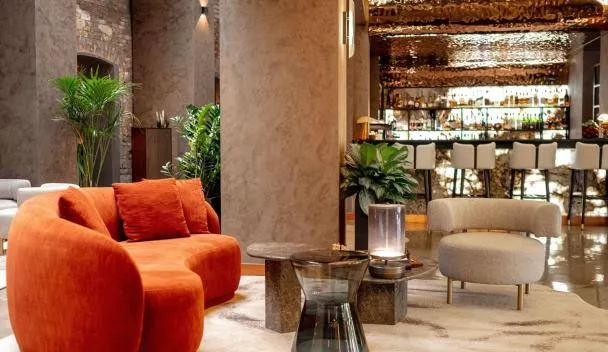
Centrs: quieter nights, parks and Art Nouveau mornings
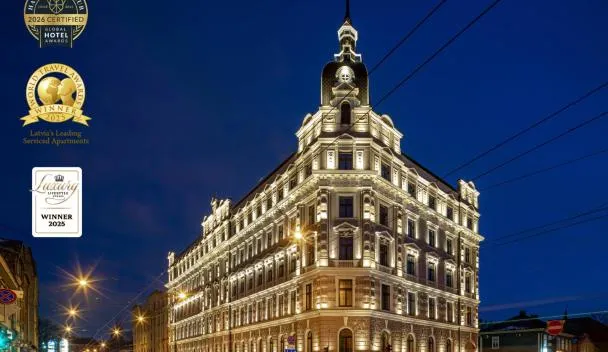
Centrs is the elegant nineteenth-century district just beyond the Old Town. It trades a little medieval theatre for wide boulevards, the canal parks and the Art Nouveau streets around Alberta iela. It is the better answer for travellers who want a genuinely central base without sleeping above a bar, and still puts the Old Town a short walk away.
- Best for architecture-minded visitors and calmer central evenings.
- Still walkable to the Old Town, Central Market and canal-side parks.
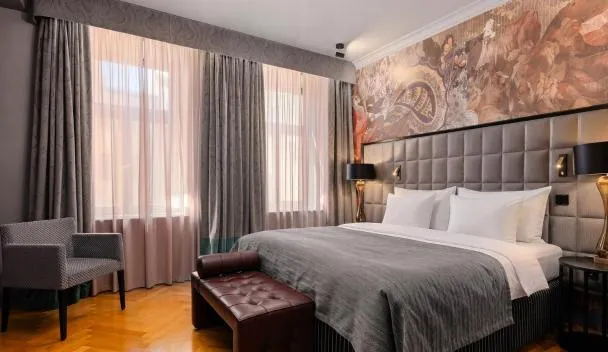

Across the river: for space and a more local rhythm
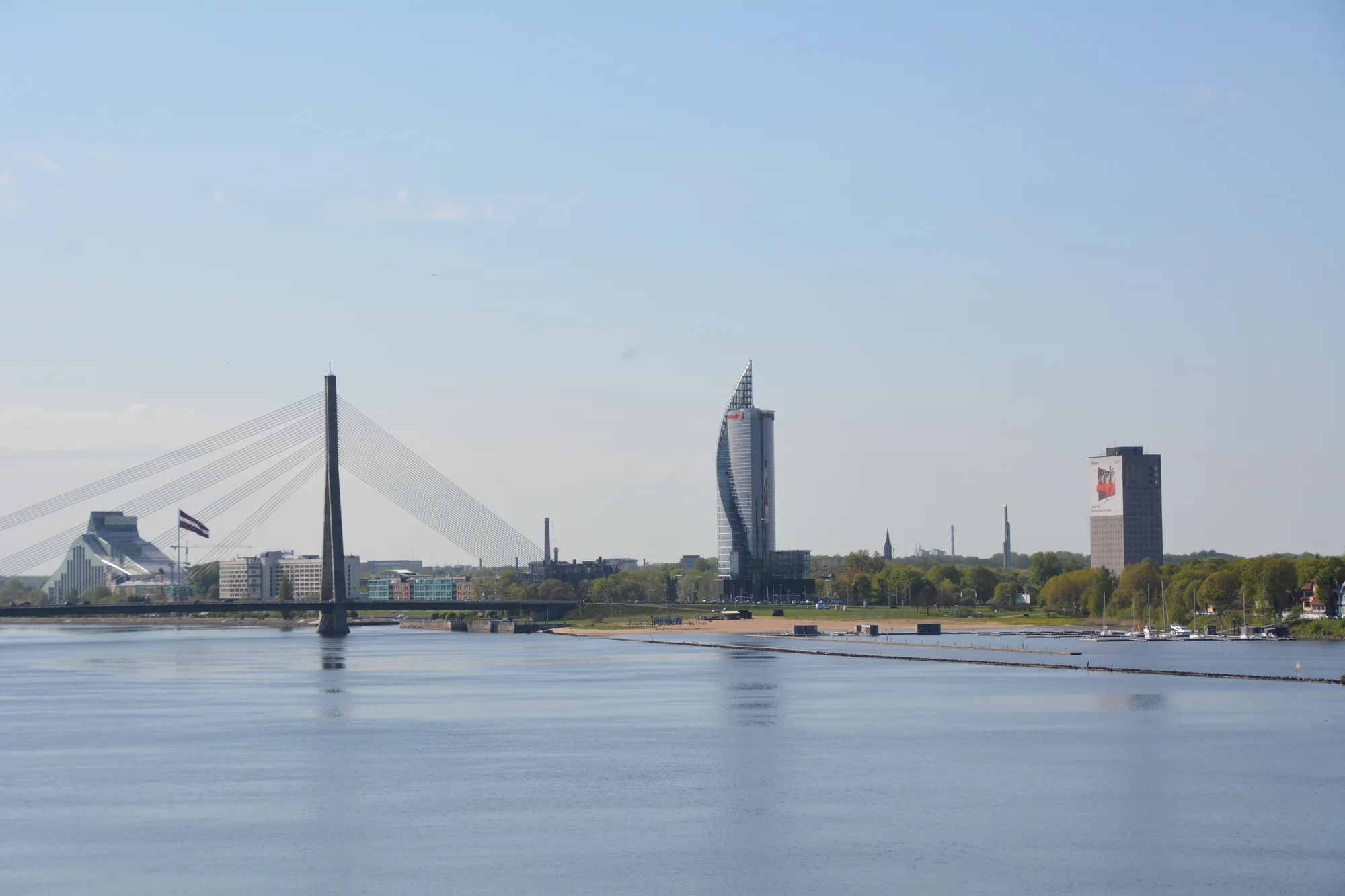
Ķīpsala and Āgenskalns feel calmer, more residential and less visitor-facing than the central core, with the Old Town skyline across the Daugava. They suit a longer stay or anyone who is happy to trade the instant walk-home convenience of Vecrīga for a quieter evening. Factor in the short bridge crossing or tram/taxi hop before booking.
- Better for a slower pace, more space and a neighbourhood feel.
- Not the default first-weekend base if every evening is planned in the Old Town.
The three details to check before you book
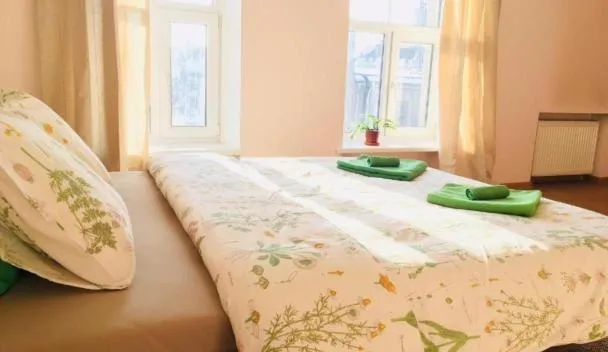
In the Old Town, check recent reviews for noise and ask about a courtyard-facing room. In historic central buildings, verify lift access before arriving with heavy bags. Finally, sanity-check the luggage walk from the airport bus or train station: cobbles and a late arrival can matter more than a one-minute difference on a map.
Where to stay in Riga FAQ
Is it better to stay in the Old Town or Centrs?
Both are excellent first-time bases and they're a short walk apart, so it comes down to the trade-off you prefer. Choose the Old Town (Vecrīga) if you want maximum atmosphere and to step straight out into the sights, and you don't mind some evening noise. Choose Centrs if you'd rather have more space, calmer nights, parks and the Art Nouveau streets on your doorstep, while still being minutes from the core on foot. A common compromise is to stay on the quieter edges of the Old Town — central enough to walk everywhere, but a street or two back from the loudest squares.
Is Riga's centre walkable from most hotels?
Yes. The Old Town and Centrs are compact and flat, and almost everything a first-time visitor wants — sights, restaurants, the Central Market, the riverfront, the Art Nouveau district — is within a comfortable walk of a central base. If you stay across the river or further out for a more local feel, you'll add a bridge crossing or a short tram or taxi hop, which is easy but worth factoring into late nights.
Which area is best if I want a quiet stay?
For quiet, look just outside the busiest squares: the calmer edges of the Old Town, much of Centrs, or a residential street across the river in Ķīpsala or Āgenskalns. Within any of those, the room itself matters as much as the area — an upper floor or a courtyard-facing room away from bars will out-perform a 'quiet neighbourhood' address that happens to sit over a late-night venue. Reading recent reviews for mentions of noise is the single most reliable filter.
Do I need a car if I stay in the centre?
No — and a car is usually a liability in the centre rather than a help. The Old Town and Centrs are compact, flat and walkable, parking is limited and pricey, and the medieval lanes are awkward to drive. For day trips, the suburban trains to Jūrmala and the regional trains toward Sigulda and Ķemeri are easy and frequent, so most visitors never need to drive. The exception is a trip built around several rural sights at once, where a rental for a day or a guided tour can make sense — but base yourself centrally and pick the car up only when you actually need it.