 At a glance
- Riga is very walkable in the center — plan on foot first, transit second.
- In colder months, build warm stops into your route (market, cafés, museums).
- Choose one or two “book ahead” items and keep the rest flexible.
Getting around (walk-first, then transit)
Most first-time Riga itineraries work best if you treat the center as a walking city and use transit only when it makes the day smoother. Build routes that don’t zigzag across town.
- Walk: Old Town + Art Nouveau district.
- Use transit: when moving between a far stop and your base.
- Pace: fewer stops, longer moments — your trip feels better.
Weather and pacing (especially in winter)
Riga can be stunning in colder seasons, but only if you pace it for warmth. Use indoor anchors on purpose and keep outdoor segments shorter and more intentional.
- Warm anchor: Riga Central Market.
- Comfort rule: one café stop you sit down for, every day.
- End-of-day rule: keep the last hour slow and close to your base.
Getting from the airport into the city
Riga International Airport (RIX) sits a short distance west of the centre, and getting in is straightforward. The cheapest reliable option is city bus route 22, run by Rīgas satiksme, which connects the airport to the centre frequently through the day and drops you near the Old Town at the 11. novembra krastmala stop, directly across from it. The trip takes roughly 30–45 minutes depending on traffic, and a single fare bought from the driver is €1.81 (paid by bank card only); buying in advance is cheaper. For late or early flights, a night route, N22, runs about once an hour.
Taxis and ride-hailing apps are the faster door-to-door option and worth it with luggage, a group, or an awkward hour. Use the official airport taxi rank or a reputable app rather than accepting offers inside the terminal, and make sure the fare is agreed up front or the meter is running before you set off. App fares show before you book, which sidesteps the usual airport-taxi guessing.
Whatever you choose, the key fact is distance: the airport is close, so you do not need to over-plan the transfer. If you land in the evening, the bus and night route both reach the centre easily, and a short taxi ride is a low-stress fallback.
- Bus 22 to the Old Town: ~30–45 min; €1.81 from the driver (card only), cheaper in advance.
- Night route N22 runs roughly hourly for late and early flights.
- Taxi or app: faster with bags; use the official rank or a trusted app and confirm the fare.
Sources
- Rīgas satiksme: bus 22 tickets ↗
Official fare and ticketing for the airport bus.
- Riga Airport: public transport ↗
Official airport page on getting to and from the city.
Public transport: tickets, fares, and when to bother
Inside the centre you will walk almost everywhere — the Old Town, the boulevards, the canal park, and the Art Nouveau quarter all sit within easy walking distance. Public transport (trams, trolleybuses, and buses, all run by Rīgas satiksme) becomes useful mainly for the airport, for reaching neighbourhoods across the river, or for a tired evening ride back to your base.
Buying in advance is cheaper than paying onboard. A single ticket bought from the driver costs €2.00, while a 90-minute time ticket bought in advance (from a Narvesen kiosk, a ticket machine, or the app) is €1.50, and a strip of ten is €15. If you expect several rides in one day, day tickets are good value: a 24-hour ticket is €5.00, a 3-day ticket €8.00, and a 5-day ticket €10.00. Validate your ticket against the card reader each time you board.
For most short trips, the simplest plan is to buy a couple of 90-minute tickets in advance and keep walking the rest. Only step up to a day or multi-day ticket if you genuinely expect to ride often — many visitors never need one.
- Walk first: the whole centre is compact and flat.
- Single ticket from the driver: €2.00. 90-minute ticket in advance: €1.50 (10 for €15).
- Day tickets: 24-hour €5.00, 3-day €8.00, 5-day €10.00 — only worth it if you ride a lot.
- Always validate against the reader when you board.
Sources
- Rīgas satiksme: ticket prices ↗
Official current fares for tickets and passes.
Money, cards, and costs
Latvia uses the euro, and Riga is overwhelmingly card-friendly: cafés, restaurants, shops, museums, and even the airport bus take contactless payment. You can comfortably travel almost cashless, though it is worth carrying a small amount of cash for the occasional market stall, a tip, or a small independent vendor that prefers it.
Riga is generally good value compared with Western European capitals — meals, coffee, museum entry, and transport all tend to cost less than in, say, Paris or Amsterdam, though the Old Town's most tourist-facing spots charge a premium for location. Step a block or two off the busiest squares and prices drop noticeably while quality often improves.
Tipping is modest and not obligatory. In restaurants, rounding up or leaving around 5–10% for good service is normal and appreciated; it is not the default-everywhere expectation it is in some countries. Check your bill in case service has already been added, particularly in busier tourist restaurants.
- Currency: the euro. Cards and contactless are accepted almost everywhere.
- Carry a little cash for markets, small vendors, and tips.
- Tipping: modest — round up or ~5–10% for good service, not obligatory.
- Best value sits a block or two off the busiest Old Town squares.
Weather, daylight, and how to pace your days
Riga's biggest practical variable is daylight, not distance. Sitting far north, the city has very long summer days — light can hold past 22:00 in June and July — and short, dark winter ones, with the sun setting by mid-afternoon around midwinter. Plan around this: in summer, save energy for long, luminous evenings; in winter, do your one outdoor highlight earlier in the day while the light lasts.
Winters are properly cold, with snow and ice common from roughly December into March, so good footwear with grip matters on the Old Town cobbles. Build warm indoor anchors into each day on purpose — the heated Central Market pavilions, a museum, or a café you actually sit down in — and keep outdoor stretches shorter and more deliberate between them. Summers are mild and pleasant; spring and autumn are cooler but often the calmest, most comfortable time to walk.
Whatever the season, pace the city gently. Riga rewards fewer stops taken slowly over a packed checklist, and the weather makes that even more true: a long café break or market visit is not lost time, it is the structure that keeps a cold or a hot day enjoyable.
- Summer: very long daylight — keep evenings free for a slow walk.
- Winter: short days and ice — do outdoor highlights early, wear grippy shoes.
- Build warm indoor anchors (market, museum, café) into every day on purpose.
- Shoulder seasons (spring/autumn) are often the most comfortable for walking.
Safety, connectivity, and small local know-how
Riga is a comfortable, walkable city for visitors, including in the evenings in the central and Old Town areas. As in any capital, apply normal city sense: keep an eye on belongings in crowded spots and busy nightlife streets, be wary of overpriced or pushy bars that tout for custom, and stick to official taxi ranks or trusted apps rather than unmarked cars. None of this is Riga-specific anxiety — it is the same baseline you would use anywhere.
Staying connected is easy. Latvia has strong, inexpensive mobile coverage, and EU/EEA visitors can typically roam on their home plan; travellers from further afield can buy a local prepaid SIM or eSIM cheaply for data. Free Wi-Fi is widespread in cafés, restaurants, and many public spaces, so you are rarely offline for long.
A few small habits smooth the trip: validate transport tickets every time you board, carry a little cash as backup, check venue opening hours the day before (they shift by season and holiday), and dress in layers you can shed indoors. Latvian is the official language, but English is widely understood in tourism and hospitality, so communication is straightforward.
- Normal city sense: watch belongings in crowds, use official taxis/apps, avoid pushy touts.
- Connectivity: cheap mobile data, EU roaming, and widespread café Wi-Fi.
- Validate tickets, carry backup cash, and check hours the day before.
- English is widely understood in tourism and hospitality.
Practical Riga FAQ
Do you need cash in Riga? Not much. Cards and contactless work almost everywhere, including the airport bus, so you can travel mostly cashless. Carry a small amount for market stalls, tips, and the occasional small vendor.
Is Riga expensive? It is generally cheaper than Western European capitals — food, transport, and museums all tend to cost less — though the most tourist-facing Old Town spots charge a location premium. Walk a block or two off the busy squares for better value.
What's the cheapest way around the city? Your feet. The centre is compact enough to walk almost everything. When you do need transit, buy a 90-minute ticket in advance (€1.50) rather than paying €2.00 onboard, and only buy a day ticket if you will ride several times.
Is the tap water safe to drink? Yes — tap water in Riga is safe and good quality, so a refillable bottle saves money and plastic. As ever, check venue hours the day before for anything you have planned, since they vary by season.
Language, etiquette, and fitting in
Latvian is the official language, and it is the dominant one you'll see on signs and menus, but English is widely understood in hotels, restaurants, museums, and shops in the tourist parts of the city, so visitors rarely struggle to communicate. A few words of Latvian — a greeting, a thank you (paldies) — go a long way and are warmly received, though no one expects them of you.
Riga is a calm, fairly reserved capital, and that sets the social tone. Service is polite and efficient rather than effusive; loud behaviour, especially around the busiest nightlife streets late at night, stands out. Treat queues, public transport, and quiet residential streets across the river with the same courtesy you would at home and you will fit in without thinking about it.
Dress for the weather rather than for fashion: layers you can shed indoors work year-round, and proper footwear matters on the cobbles, particularly in icy winter months. Inside churches and some museums, normal modest behaviour applies — keep voices low and follow any photography signs. None of this is demanding; Riga is an easy place to be a respectful visitor.
- English is widely understood in tourism settings; a little Latvian is appreciated.
- The city is calm and reserved — loud late-night behaviour stands out.
- Dress in layers and wear proper shoes for cobbles, especially in winter.
- Keep voices low and follow photography rules in churches and museums.
Planning ahead: what to book and what to leave loose
Riga rewards light planning. Almost everything that defines the city — the Old Town loop, the canal park, the Art Nouveau streets, a riverfront walk — is free and needs no booking, so the right approach is to lock in only the handful of things that genuinely benefit from it and keep the rest flexible. Over-scheduling a compact, walkable city tends to make the trip worse, not better.
The few things worth sorting in advance are your accommodation (especially in summer and around events), any specific timed museum or a tower visit you have set your heart on, and a day trip's rough train times if you are doing one. Opening hours are the detail most likely to catch you out, since they shift by season and public holiday, so check the official venue site the day before rather than trusting an old figure online.
Everything else can stay open. Leave a flexible slot in each day for weather, mood, and the unplanned wander that usually becomes the best memory. The combination of a couple of fixed anchors and a lot of breathing room is exactly what makes a Riga trip feel relaxed rather than rushed.
- Most of Riga is free and needs no booking — plan light.
- Worth booking: accommodation, any timed museum/tower, rough day-trip train times.
- Hours change by season and holiday, so a glance at the venue's page the night before pays off.
- Keep a flexible slot each day for weather, mood, and wandering.
Eating and drinking without overthinking it
Food in Riga is easy and good value if you avoid the most tourist-facing corners of the Old Town. The single best strategy is to use the Central Market as a meal anchor at least once: its themed pavilions let you graze smoked fish, dark rye bread, local cheese, and seasonal berries without a reservation, and the heated halls double as shelter when the weather turns. For sit-down meals, walk a block or two off the busiest squares for better prices and quieter rooms.
Latvian cooking leans on rye, potatoes, fish, dairy, and what's in season, and it rewards a little curiosity — try the dark rye bread, smoked fish, and local cheese at minimum. Coffee culture is strong, so a sit-down café break is both a pleasure and a practical way to warm up and rest your feet, especially in the cold months.
Tap water is safe and good, so carry a refillable bottle. Tipping is modest — rounding up or around 5–10% for good service is normal, not obligatory — and most places take card or contactless, so you rarely need much cash for meals. Keep one food ritual a day (a favourite coffee, a market graze, a relaxed dinner) and the trip's logistics shrink.
- Use the Central Market as a no-reservation meal anchor and warm refuge.
- Walk a block off the busy squares for better value sit-down meals.
- Try dark rye bread, smoked fish, and local cheese; tap water is safe to drink.
- Tipping is modest (~5–10% or round up); cards work almost everywhere.
Day trips and getting beyond the centre
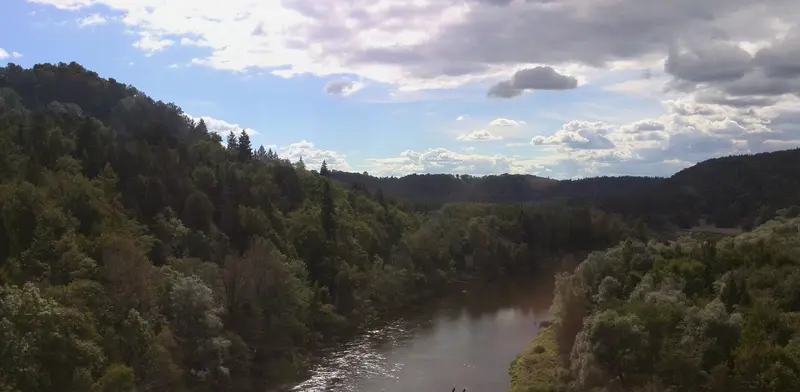
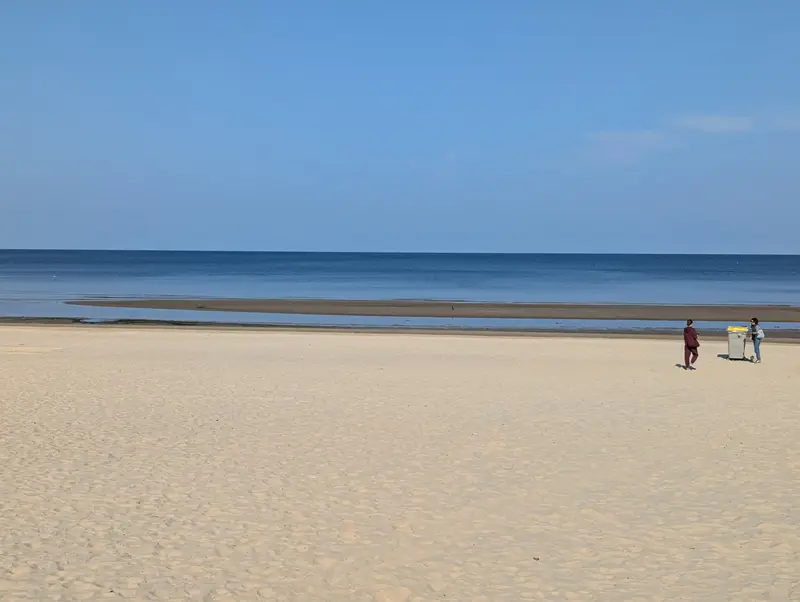
When you want a change of scene, Riga's surroundings are an easy train ride away. The simplest escape is Jūrmala, the seaside resort strip a short, frequent, inexpensive train ride west — a wide beach, pine forest, and a slower pace that contrasts nicely with city walking. For nature and castles, Sigulda and the Gauja valley sit about an hour east by train; for a nature reset, Ķemeri National Park's bog boardwalk is reachable by train plus a short walk.
Regional trains leave from Rīga Central Station, and you can buy tickets at the counter, from machines, or onboard. Fares are low and services are frequent, but timetables thin out in the evening, so check the return time the day before so it doesn't dictate your whole afternoon. Grander, further-out sights like Rundāle Palace are easiest with a tour or a car.
On a short trip, fit in just one day trip at most — they each eat a full day, and Riga itself usually repays the time more. If you do go, leave the return evening light so the day ends well, and weigh any long trip against short winter daylight when the sun sets by mid-afternoon.
- Easiest escape: Jūrmala by frequent, cheap train (~30 min).
- Nature and castles: Sigulda/Gauja valley by train (~1 hour); Ķemeri's bog boardwalk.
- Trains leave from Rīga Central Station — check return times the day before.
- One day trip at most on a short visit; keep the return evening light.
 Location
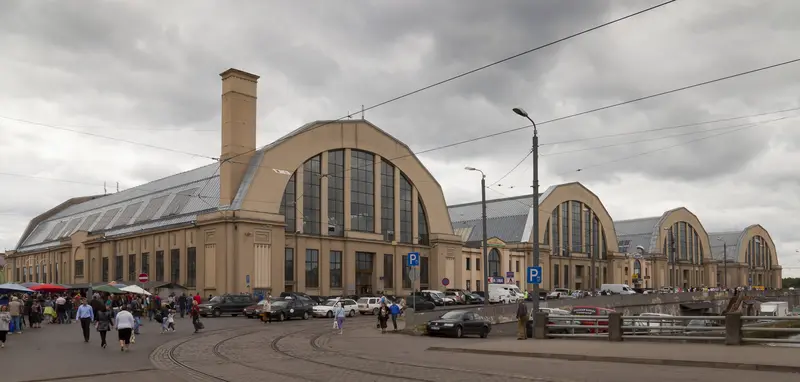
Riga Central Market
The city’s big market halls — a high-value food stop and a great way to understand everyday Riga fast.
Nearby (walkable)
- Spīķeri
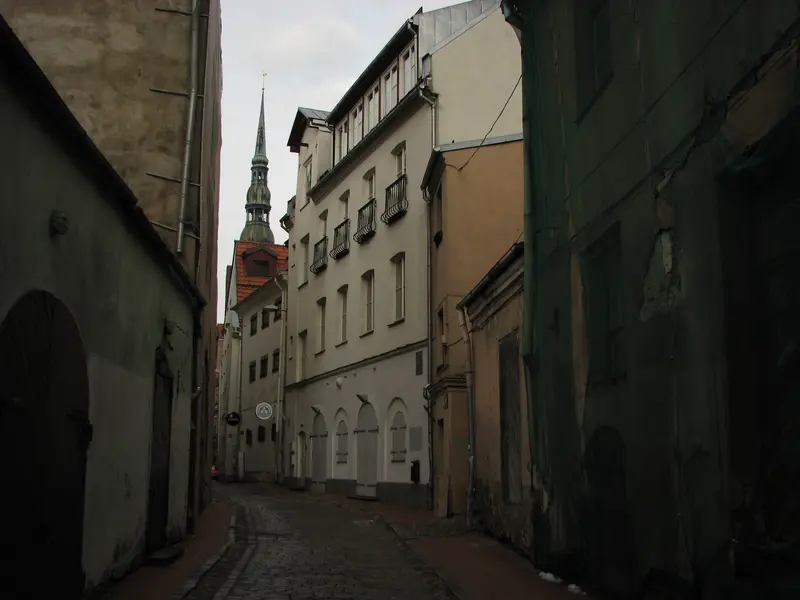
- St. Peter’s Church
- Bremen Town Musicians
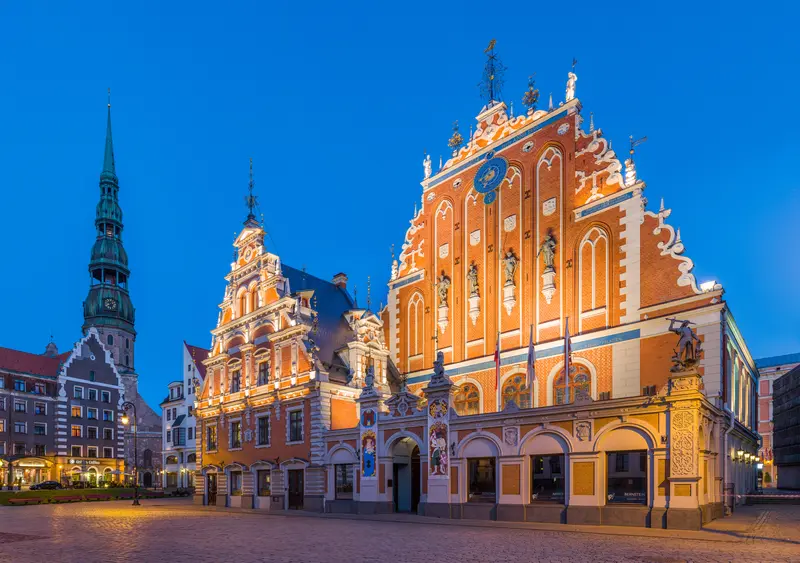
- House of the Black Heads
- Latvian Academy of Sciences
- Latvian National Opera
Map pins
Map data © OpenStreetMap contributors · Tiles © OpenFreeMap
 Location
Alberta iela (Art Nouveau)
Riga’s most famous Art Nouveau street — best early for quieter photos and details.
Nearby (walkable)
- Riga Art Nouveau Museum
- Latvian National Museum of Art
- Kronvalda Park
- Esplanāde Park
- Bastejkalna Park
- Freedom Monument
Map pins
Map data © OpenStreetMap contributors · Tiles © OpenFreeMap
 Location
Jūrmala
The classic easy day trip for beach air and a different pace from the city.
Map pins
Map data © OpenStreetMap contributors · Tiles © OpenFreeMap
Location
Ķemeri National Park
A nature reset close to Riga — best for boardwalk-style bog walks and fresh air.
Map pins
Map data © OpenStreetMap contributors · Tiles © OpenFreeMap
 Location
Sigulda (Gauja Valley)
A top day trip for nature views and castles — easy to combine with Turaida.
Map pins
Map data © OpenStreetMap contributors · Tiles © OpenFreeMap
 Location
Rundāle Palace
A high-reward palace day if you want one ‘grand interior’ trip outside Riga.
Map pins
Map data © OpenStreetMap contributors · Tiles © OpenFreeMap