 At a glance
- Use normal city awareness; avoid overthinking it.
- Late-night comfort is mostly about choosing your routes and timing.
- If you’re unsure, take a taxi — saving stress is worth it.
 Quick facts
- Best time
- Late nights are easiest when you keep routes well-lit and close to your base.
- Best for
- Travelers wanting calm, practical reassurance, not fear.
- Good to know
- Riga is generally a comfortable European capital; use normal city awareness.


Is Riga safe? The honest picture
Riga is generally a safe, comfortable European capital, and most visits pass without any trouble at all. Latvia is a member of the European Union and the eurozone, with the same broad norms, infrastructure and policing you'd expect across the EU. As in any city that draws tourists, the realistic concerns are ordinary ones — petty theft in crowds, the occasional overpriced 'tourist trap' venue, and the kind of late-night incidents that follow heavy drinking anywhere — rather than anything exotic or alarming.
The right mindset is calm, normal city awareness: the same instincts you'd use in any unfamiliar capital. You don't need to be on edge, and you don't need a special set of rules for Riga. A little attention to your belongings in busy spots, sensible choices late at night, and a willingness to take a taxi when you're tired cover the vast majority of what 'staying safe' actually means here.
- Riga is generally a safe EU capital; serious problems for tourists are uncommon.
- The realistic risks are everyday ones: petty theft, overpriced venues, drink-fuelled late nights.
- Use normal city awareness — not fear, and no Riga-specific rulebook.
A simple safety framework
Most trip safety comes down to tiredness and route choices. Keep evenings close to your base, avoid long solo walks on empty streets late at night, and don’t let alcohol turn small risks into bigger ones.
Almost every avoidable problem on a city trip traces back to one of three things: being exhausted and inattentive, drinking more than you planned, or wandering somewhere unfamiliar and empty late at night. Manage those and you've handled most of it. Keep evenings reasonably close to your base, pace your drinks, and when something feels off — a route, a venue, a person — just change it. Taking a taxi instead of a long dark walk is cheap insurance, not paranoia.
- Choose: well-lit routes back to your accommodation.
- Keep: valuables simple (especially in busy areas).
- Trust: your ‘this feels off’ instinct — change route or take a taxi.
- Pace: drinks — most late-night trouble anywhere starts with overdoing it.
Petty theft and common scams
The most likely 'crime' a visitor meets is pickpocketing or bag-dipping in crowded, distracting places — busy squares, packed trams, the Central Market, festivals. It's easily prevented: keep your phone and wallet in a front pocket or a zipped, closed bag, don't leave belongings hung on the back of a café chair, and stay a little more alert exactly where it's most crowded.
The other thing to watch for is being overcharged rather than robbed. A small number of bars and 'gentlemen's clubs' aimed at tourists are notorious for vague pricing and inflated bills, and unmetered taxis touting for fares can quote a lot for a short trip. The defences are simple: check prices before you order, be wary of strangers steering you to a specific venue, and use metered taxis or a rideshare app where the fare is shown up front. None of this is unique to Riga — it's standard big-city hygiene.
- Pickpocketing risk is highest in crowds — keep valuables zipped and in front pockets.
- Check prices before ordering; avoid 'come to this bar' touts and vague-priced clubs.
- Use metered taxis or rideshare apps that show the fare before you ride.
- Don't drape bags on chair backs or leave phones on café tables.
Out at night, and getting home
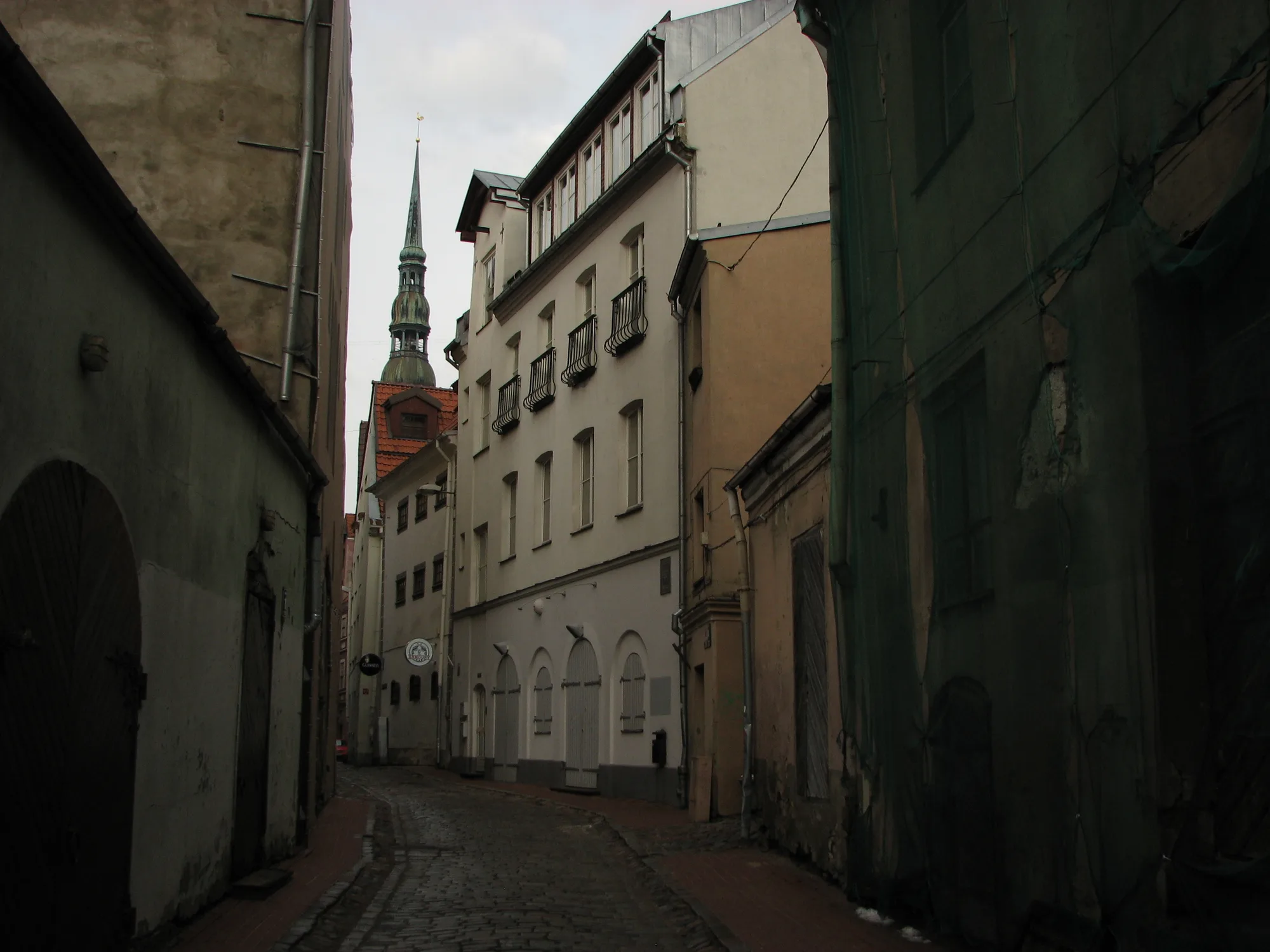
The central, tourist-facing parts of Riga are lively and generally comfortable in the evening, and walking back from dinner in the Old Town or Centrs is normal. The usual sensible habits apply after dark: stick to lit, populated streets, keep an eye on how much you (and your group) are drinking, and don't take long shortcuts through empty areas you don't know.
If a walk home would be long, dark, or through somewhere unfamiliar — or if you're simply tired — take a taxi or rideshare. It's inexpensive over the short distances involved in central Riga and removes the only realistic late-night risk. Solo travellers and anyone who's been drinking benefit most from this one habit: when in doubt, ride rather than walk.
- Central areas are lively and generally comfortable in the evening.
- Stick to lit, populated streets; skip long shortcuts through empty places.
- Tired, far, or unsure? Take a taxi or rideshare — it's cheap peace of mind.
Health, emergencies and the number to know
The single most useful thing to memorise is the emergency number: 112, which works across Latvia for police, fire and medical help and has English-speaking support. (There's also an official '112 Latvia' app.) Save it in your phone before you arrive and you'll never need it — but it's there if you do.
Beyond that, the basics are reassuring. Tap water in Riga is safe to drink, so you can refill a bottle rather than buying water all day. Pharmacies (look for 'Aptieka') are common in the centre for minor ailments, and EU/EEA visitors should carry their EHIC/GHIC card; everyone should travel with insurance regardless. None of this signals that Riga is risky — it's simply the standard preparation that lets you relax and enjoy the trip.
- Emergency number: 112 (police, fire, medical), with English support and an official app.
- Tap water is safe to drink — refill rather than buy all day.
- Pharmacies ('Aptieka') are common centrally for minor needs.
- Carry travel insurance; EU/EEA visitors should bring an EHIC/GHIC card.
Sources
- Latvia: single emergency number 112 ↗
Official information on the 112 emergency service.
Is Riga safe? FAQ
Is Riga safe for solo travellers and women?
Generally yes. Riga is a comfortable capital for solo travellers, including women, and the central areas are well-trafficked and walkable. The same advice that applies anywhere applies here: stay aware in crowds, keep evenings to lit and populated streets, watch your drinks, and take a taxi or rideshare rather than a long late-night walk through somewhere unfamiliar. Many solo visitors report feeling at ease; the precautions are about comfort and good habits, not because Riga is unusually risky.
What's the emergency number in Riga?
112. It's the single emergency number for all of Latvia and connects you to police, fire and medical services, with English-language support available and an official '112 Latvia' app. Save it before you travel. For non-emergencies, your accommodation can usually help direct you to the right service, and pharmacies handle minor health needs.
Is it safe to walk around Riga at night?
In the central, tourist-facing areas, yes — they're lively and generally comfortable in the evening, and walking back from dinner is normal. As anywhere, keep to well-lit, populated streets, avoid long shortcuts through empty or unfamiliar areas, and be more careful the more you've had to drink. If a walk would be long, dark or uncertain, a taxi or rideshare is cheap over short central distances and removes the main late-night risk entirely.
 Location
Riga Central Market
The city’s big market halls — a high-value food stop and a great way to understand everyday Riga fast.
Nearby (walkable)
- Spīķeri
- St. Peter’s Church
- Bremen Town Musicians
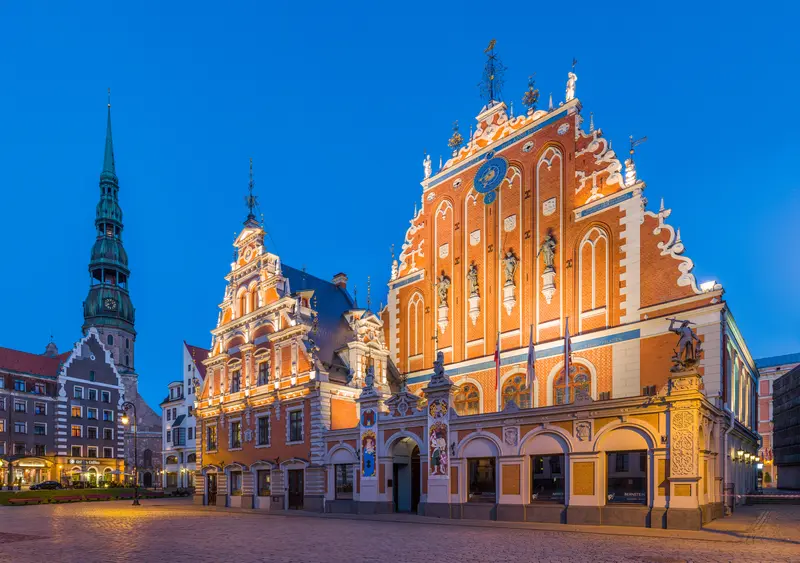
- House of the Black Heads
- Latvian Academy of Sciences
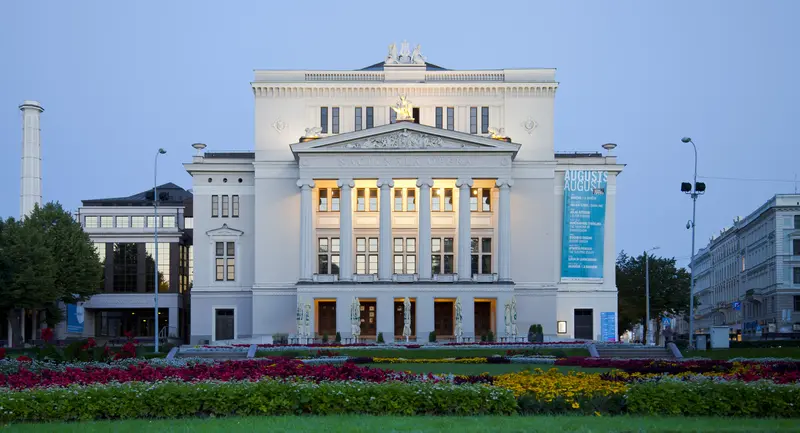
- Latvian National Opera
Map pins
Map data © OpenStreetMap contributors · Tiles © OpenFreeMap