 At a glance
- Plan by clusters: Old Town + riverfront, then an Art Nouveau afternoon.
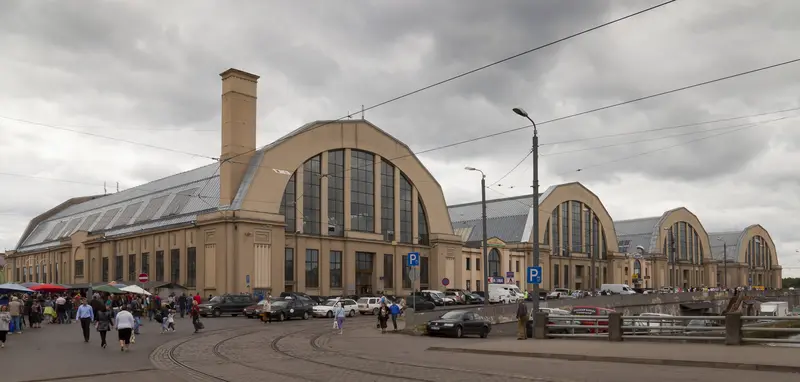
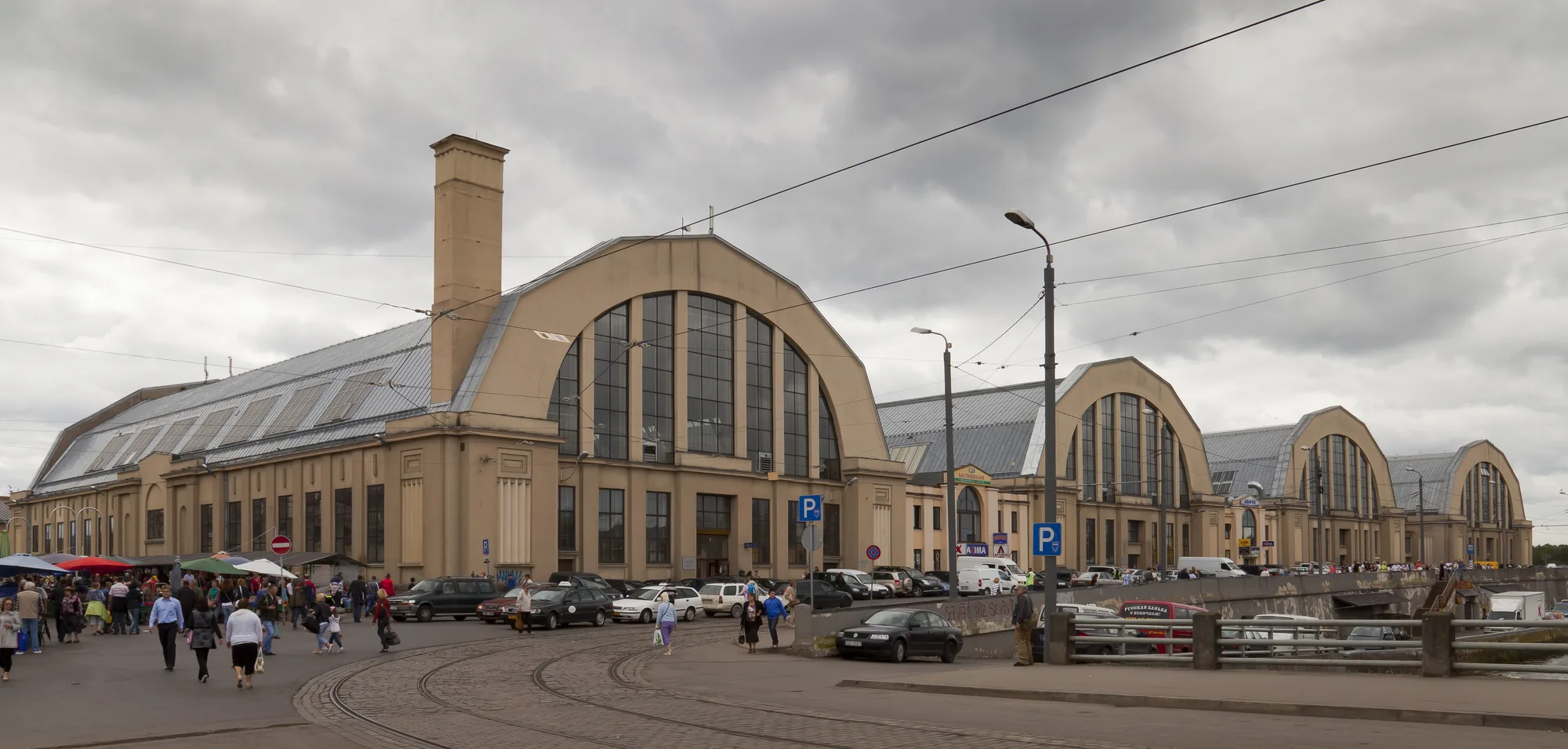
- Use the Central Market as a meal anchor (and a weather-proof fallback).
- Save one evening for a slow walk — Riga gets better when you stop rushing.
- If you only do one “big” museum-style stop, choose the one that fits your mood: history, art, or architecture.
 Quick facts
- Time needed
- Old Town loop in a half-day; a satisfying first visit needs 2–3 days.
- Getting there
- The centre is walkable; trams, trolleybuses and buses cover the rest.
- Best time
- Golden hour for the Old Town and riverfront; mornings for calm lanes.
- Best for
- First-timers wanting a walkable, cluster-by-cluster plan.
- Good to know
- Riga's historic centre is UNESCO-listed — even a short walk feels layered.




A first-time Riga plan (simple, realistic)
Riga is easy to love because it’s walkable, visually rich, and not overly spread out. The trick is to pace it: do Old Town in one satisfying loop, then give yourself a second day for architecture, markets, and neighborhoods just outside the core.
If you’re traveling as a couple, treat golden hour as a real appointment. Riga’s streets and river views feel calmer and more cinematic when the light drops.
- Day 1: Old Town loop + Town Hall Square + river walk at sunset.
- Day 2: Central Market food stop + Art Nouveau streets + a cozy café reset.
- Bonus: Add a day trip if you have 3+ days.
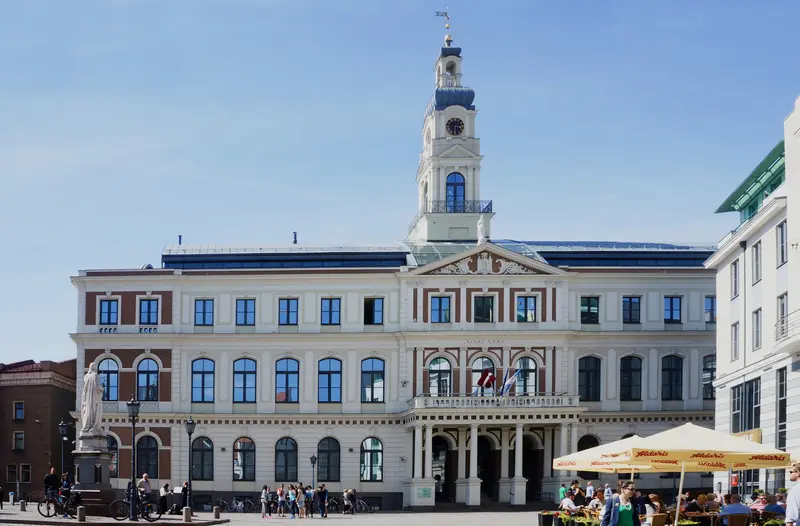
Old Town + river loop (map)
Use this loop as your “orientation day”. It hits Riga’s classic photo points and keeps the walking smooth. You can do it fast — but it’s better slow, with a café stop and time for side streets.
Map pins
Map data © OpenStreetMap contributors · Tiles © OpenFreeMap
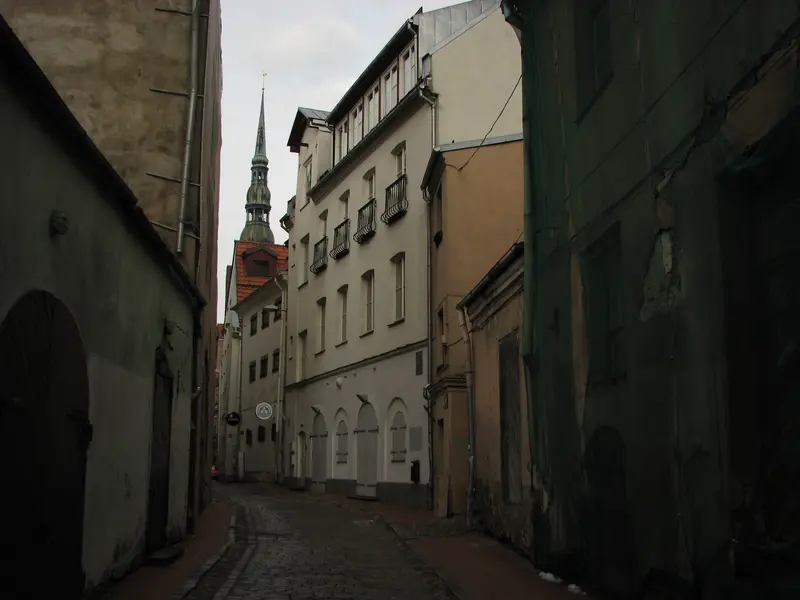
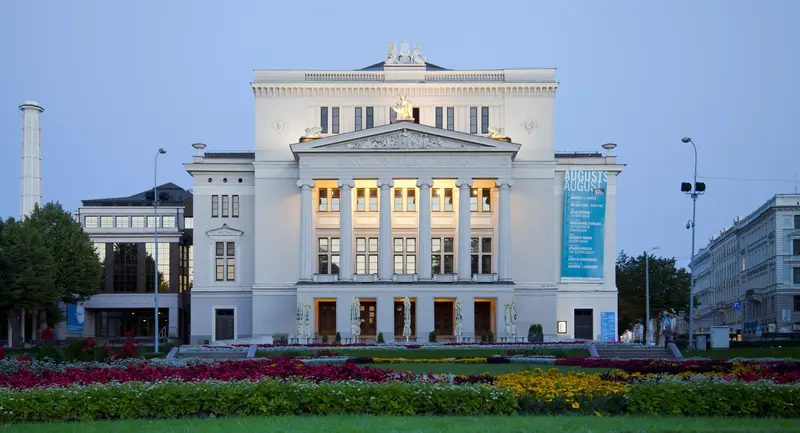
What to prioritize (and what to skip)
Riga has a lot of “nice” sights. Your trip improves when you choose the ones that match your pace, not the ones that look good on a checklist.
If it’s cold or rainy, lean into indoor anchors (market halls, museums, cafés) and treat the outdoors as short “beautiful intervals” between warm stops.
- Prioritize: Old Town lanes + Art Nouveau details + one market stop.
- Skip: backtracking across town for small sights — cluster your stops instead.
- Upgrade your trip: one slow evening walk with no agenda.
A little history (so the Old Town makes sense)
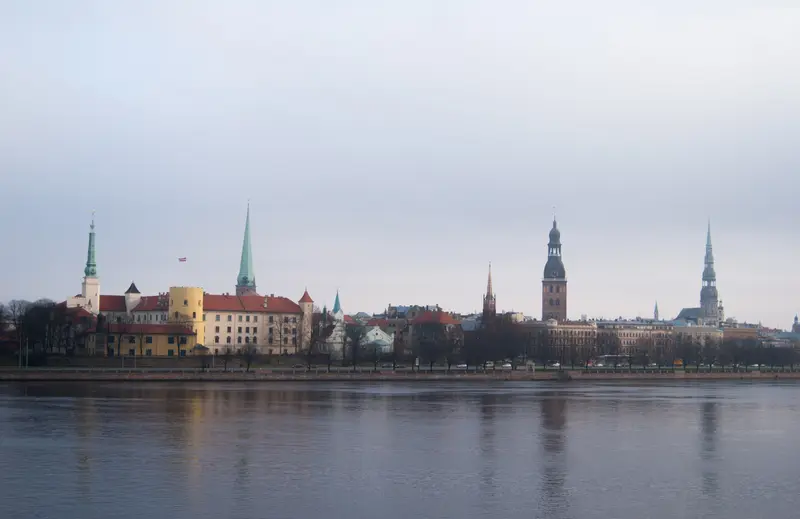
Riga was founded in 1201 and grew into one of the most important trading cities of the Hanseatic League — the medieval network of merchant towns that ran the Baltic and North Sea trade between roughly the 13th and 15th centuries. That trading wealth is the reason the Old Town has so many tall, narrow merchant houses, guild halls, and church spires packed into such a small footprint. When you walk the lanes, you are essentially walking a preserved medieval port plan, which is why the Historic Centre of Riga was added to the UNESCO World Heritage List in 1997.
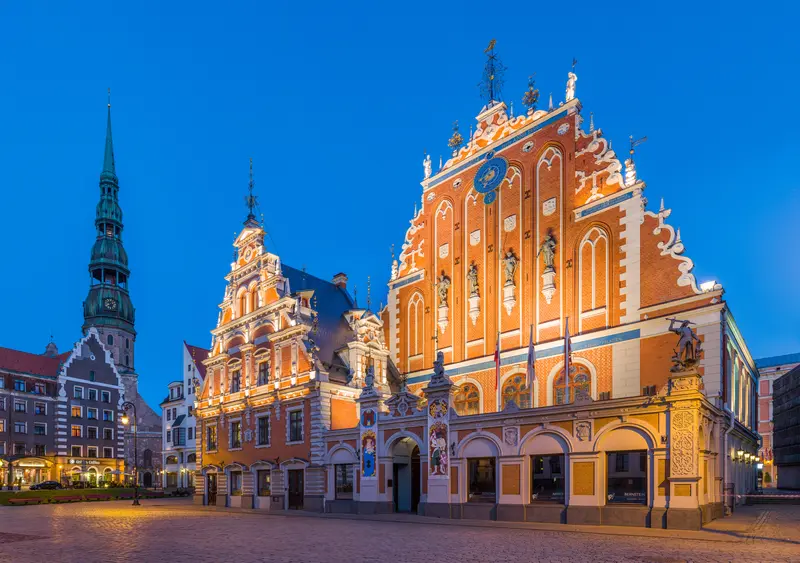
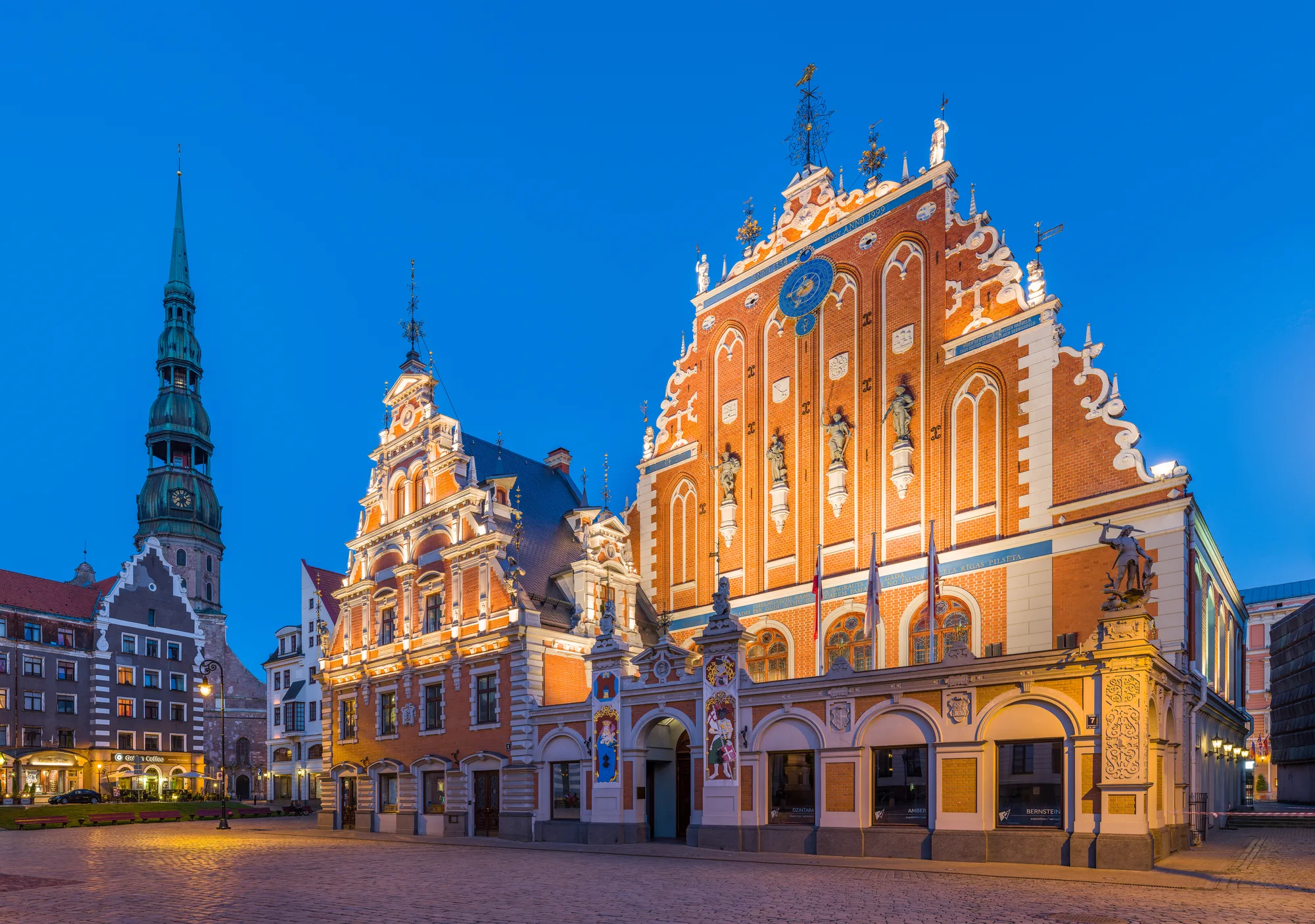
Knowing the broad strokes makes the sights click together. The House of the Blackheads on Town Hall Square began in 1334 as a meeting and banquet house for merchants and later the Brotherhood of Blackheads (a guild of unmarried foreign traders). It was bombed in 1941 and the ruins were cleared in 1948, then meticulously rebuilt between 1993 and 1999 — so the ornate facade you photograph today is a faithful reconstruction, not a survivor. A few minutes away on Mazā Pils iela, the Three Brothers are the oldest dwelling houses in the city: the eldest dates to around 1490, with its neighbours showing later 17th-century and Baroque touches, so the three together read like a timeline of Riga's domestic architecture.
Don't try to memorise dates. Just carry the idea that Old Town is a layered place — medieval merchant core, later guilds, a 20th century of occupations and rebuilding — and the buildings stop being a blur and start telling a story.
Sources
- Historic Centre of Riga (UNESCO) ↗
Official inscription record (1997) with the heritage rationale.
- Three Brothers (LiveRiga) ↗
Official tourism page for the Old Town's oldest houses.
The landmarks worth your time (and how to read them)
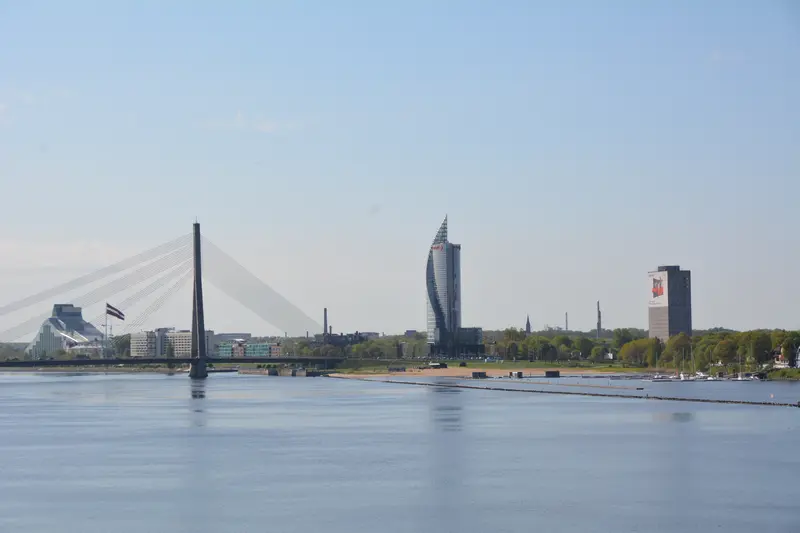
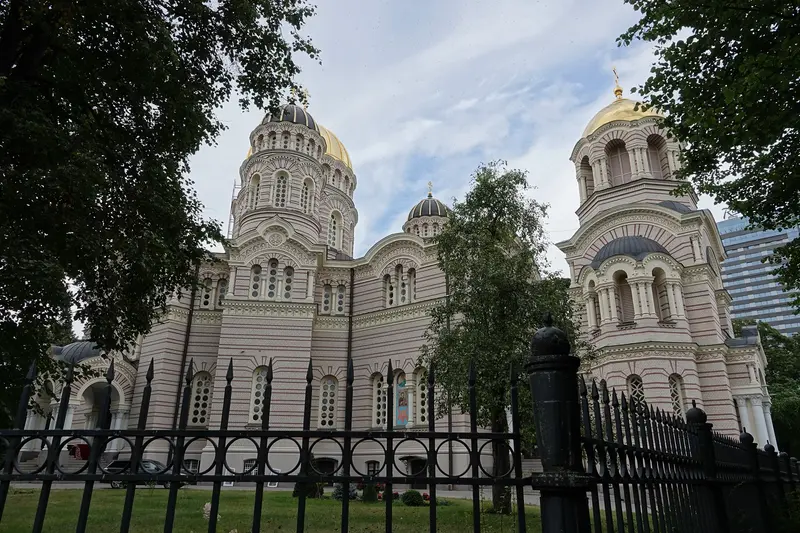
You can see Riga's signature sights in a relaxed day if you keep them in a loop rather than darting back and forth. Here is what each one actually offers, so you can decide which to step inside and which to simply admire from the street.
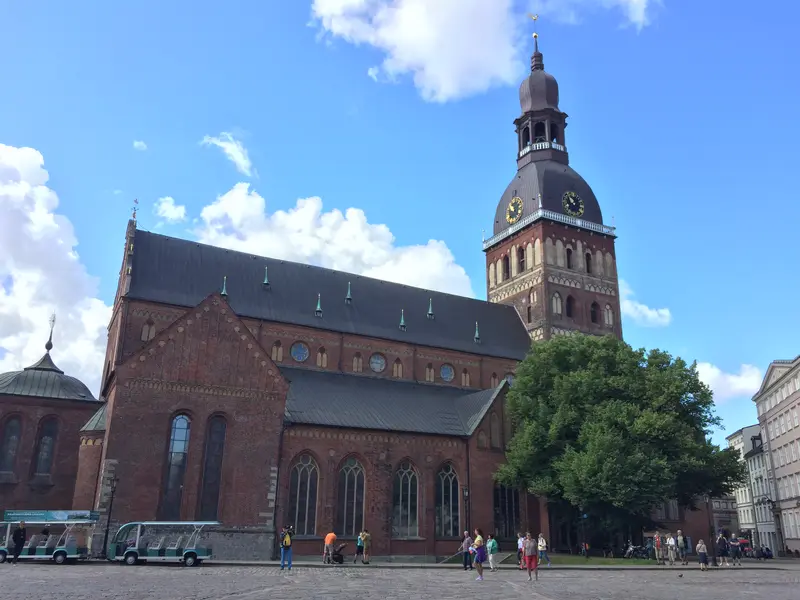
- Riga Cathedral (Rīgas Doms): founded in 1211, it is the largest medieval church in the Baltic states. Its pipe organ — built in 1884 with well over 6,000 pipes — is the reason to time a visit around a short organ recital if one is on.
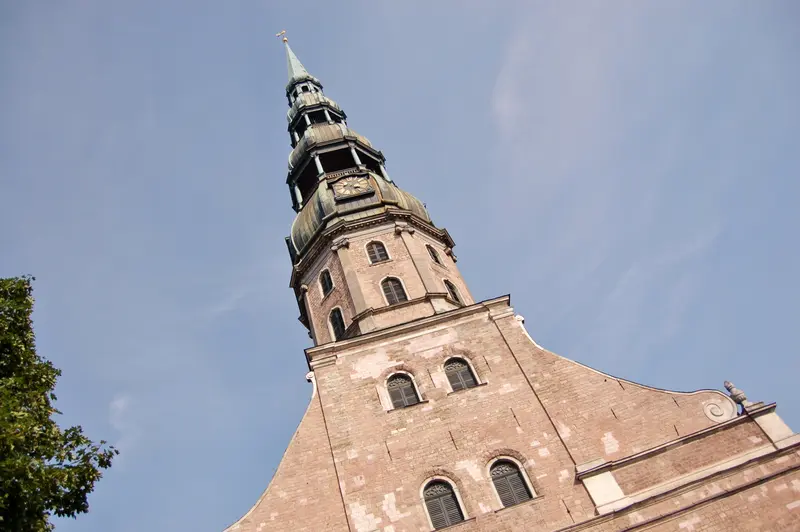
- St. Peter's Church: the red-brick landmark whose tower platform sits around 57 m up and gives the cleanest panorama over the Old Town roofscape. Buy the church-plus-tower ticket (around €9; the Riga Card gives about half off).
- House of the Blackheads + Town Hall Square: the most photographed facade in the city and home to the tourist information centre, which makes it a natural orientation point at the start of a walk.
- Freedom Monument: unveiled in 1935 and about 42 m tall, the column is topped by a figure of Liberty (‘Milda’) holding three stars for Latvia's three historic regions. It is the symbolic heart of the modern city — and a useful navigation anchor between Old Town and the Art Nouveau streets.
- Bastejkalns Park and the City Canal: a green ribbon laid out in 1898 over the old fortification line; the canal traces Riga's former defensive moat. A flat, pretty link between the two halves of the centre.
Sources
- Riga Dome Cathedral (LiveRiga) ↗
Official tourism page for the cathedral and its organ.
- Freedom Monument (LiveRiga) ↗
Official background on the monument and its symbolism.
An Art Nouveau afternoon
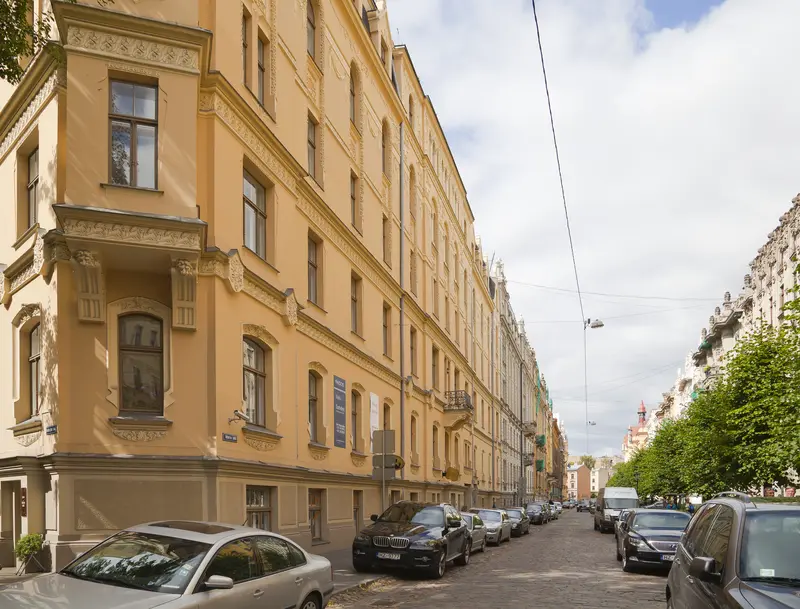
Riga has one of the largest concentrations of Art Nouveau (Jugendstil) architecture in Europe — by common estimate, roughly a third of the buildings in the centre are built in the style. That makes ‘look up’ a genuine activity here, not a throwaway tip. The richest stretch is around Alberta iela and the neighbouring Elizabetes and Strēlnieku streets, just north of the Old Town.
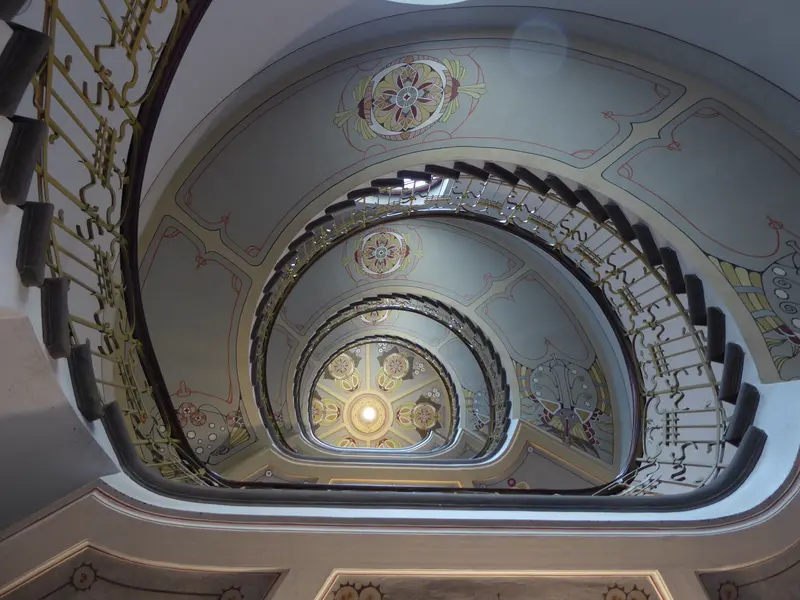
Alberta iela itself was built quickly, between 1901 and 1908, and several of its most theatrical facades were designed by the engineer Mikhail Eisenstein (father of the film director Sergei Eisenstein). Look for screaming masks, sphinx faces, peacocks, and stacked human figures crowning the buildings — these were status statements by their owners, and they reward a slow walk with your eyes up. You don't need to go inside anything to enjoy this; the street is the museum. If you want context, the dedicated Riga Art Nouveau Museum on the same street recreates a period apartment.
Pace it as an afternoon, not a checklist sprint: walk one side of Alberta iela, cross at the end, walk back the other side, then drift into Elizabetes iela. Add a café stop and you have a perfect low-effort half-day.
Sources
- Art Nouveau in Riga (LiveRiga) ↗
Official overview of the style and where to find it.
Free and low-cost things that still feel like the real Riga
Some of the most memorable Riga experiences cost little or nothing. The Old Town lanes, the Art Nouveau streets, Bastejkalns Park, and the Daugava riverfront are all free to wander, and they are arguably the city's main event. Browsing the Central Market is free even if you buy nothing, and a few churches let you step inside the nave without a ticket (the tower and special exhibits are what carry a fee).
A simple rule keeps the budget honest: pay for the one or two experiences that genuinely need a ticket — a tower view, one museum, an organ recital — and let the streets, parks, and markets do the rest for free.
- Free: Old Town wandering, Art Nouveau streets, Bastejkalns Park, the riverfront, browsing the Central Market.
- Small fee, big payoff: St. Peter's tower view; one museum that matches your mood; a short organ recital at the Cathedral.
- Cheap meal anchor: a market lunch is usually the best value (and most local) food in the centre.
When to go, and what changes with the seasons
Riga is a four-season city and the season genuinely changes the trip. Late spring through early autumn brings long daylight, outdoor cafés, riverside life, and the easiest walking weather — this is the comfortable default for a first visit. Summer also brings the famous near-midnight twilight in June, which makes evening walks feel endless.
Autumn turns the parks gold and the cafés cosy, with thinner crowds. Winter is cold and dark but atmospheric, especially around the Christmas-market season on Town Hall Square and Doma laukums; this is when the indoor anchors — market halls, museums, warm cafés, an organ recital — earn their place. Whatever the season, build the day around shelter you actually want to be in, and treat the outdoors as beautiful intervals between warm stops.
- Easiest weather and longest days: late spring to early autumn.
- Quietest with colour: autumn — gold parks, fewer crowds, cosy cafés.
- Atmospheric but cold: winter — lean on indoor anchors and the Christmas markets.
Getting around while you sightsee
The good news for sightseeing is that almost everything on a first trip is walkable: the Old Town, the Art Nouveau streets, the Freedom Monument, the parks, and the Central Market all sit within a compact core. You can spend two or three days here barely using public transport.
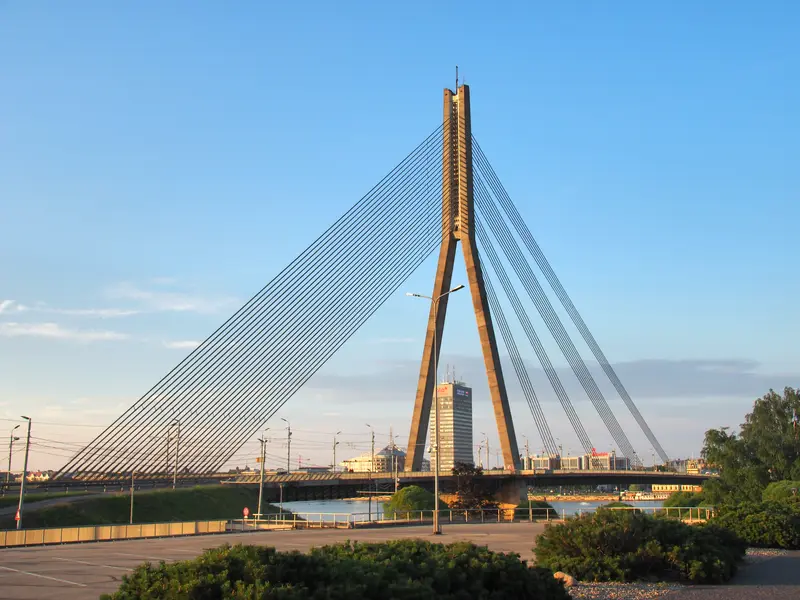
When you do need it, Riga runs trams, trolleybuses, and buses through the operator Rīgas satiksme, ticketed via the e-talons / code-ticket system. The everyday fare is the 90-minute time ticket, about €1.50 in advance (€2.00 onboard); buy and validate it before you ride. Coming from the airport, bus 22 reaches the centre in about 25 minutes; an advance ticket from the vending machine (around €1.50) is cheaper than paying the driver (about €1.81), and it stays valid for 90 minutes.
Sources
- Airport to city centre (LiveRiga) ↗
Official tourism guidance on bus 22 and minibuses.
How many days do you need in Riga?
One full day is enough to see the Old Town and feel the city's atmosphere, but it will be a sampler. Two days lets you add an unhurried Art Nouveau afternoon and a proper market visit. Three days is the sweet spot: the same core plus a slow evening, a museum, and time to follow a side street with no plan — or to take a half-day trip out of the city.
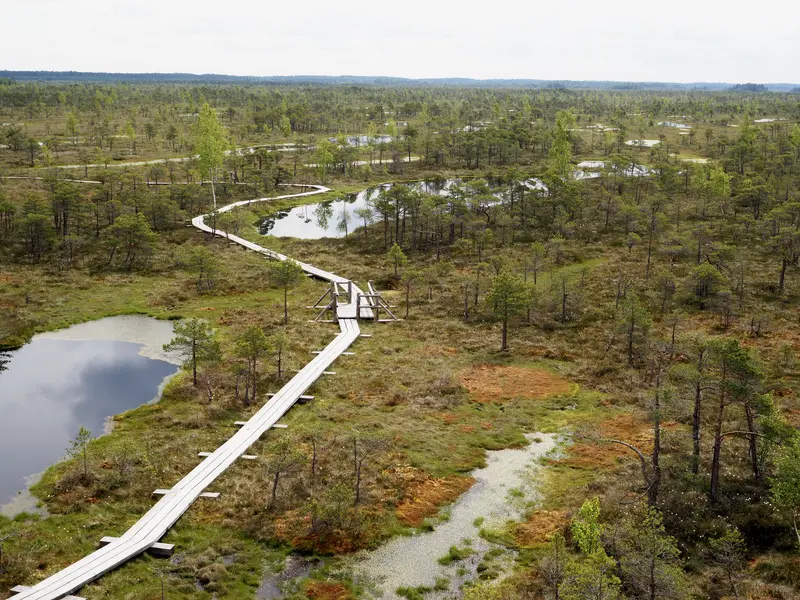
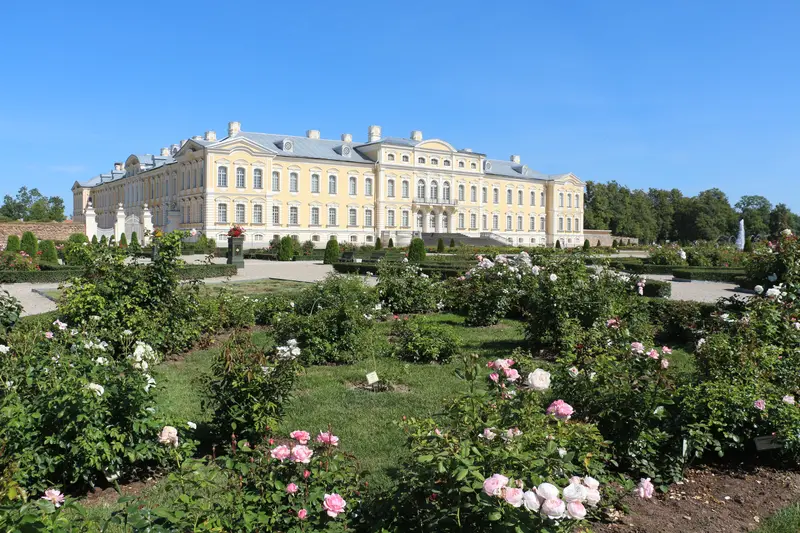
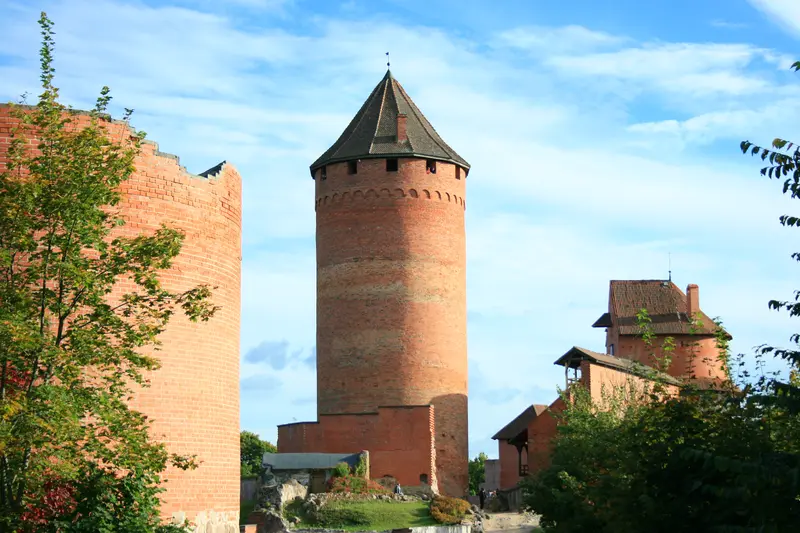
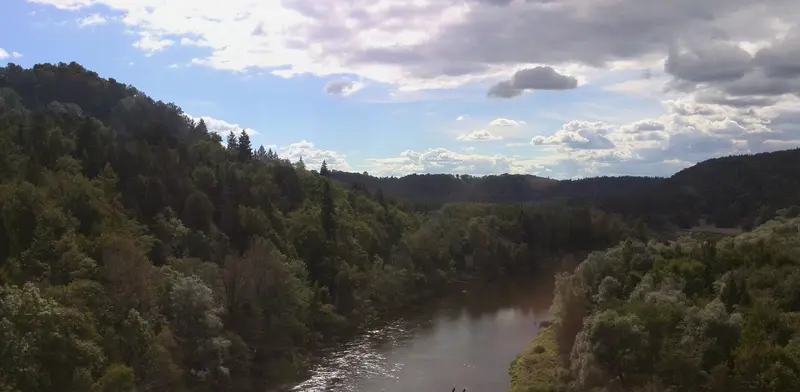
If you have more than three days, Riga makes an easy base for day trips: the seaside town of Jūrmala, the castles and valley around Sigulda, the bog boardwalks of Ķemeri, or the Baroque grandeur of Rundāle Palace are all within reach by train or bus.
What is the one thing not to miss in Riga?
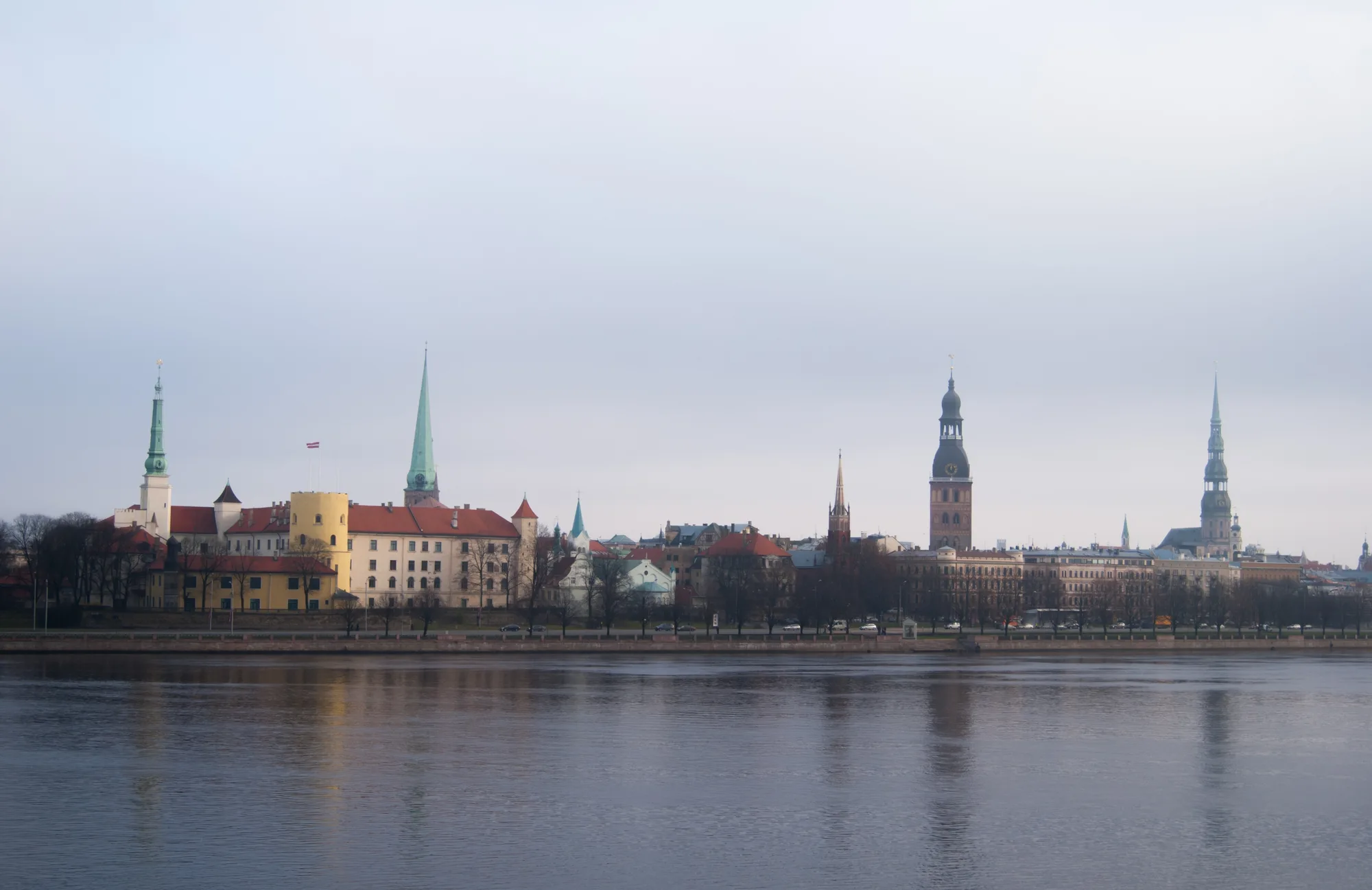
If you do only one thing, walk the Old Town slowly from Town Hall Square out toward the Freedom Monument, then linger at golden hour. It is free, it strings together the city's headline landmarks, and it shows you why people fall for Riga. Add a market lunch and a tower view and you have the essence of the city in a single relaxed day.
Is Riga walkable for sightseeing?
Yes — very. The historic core is compact and largely pedestrian-friendly, and the main sights cluster tightly, so most first visits barely need transport. Cobblestones are uneven in places, so comfortable shoes matter more than a transit pass. For anything beyond the centre, trams and buses fill the gaps.
A worked one-day sampler (if your time is short)
When you only have a single day, this loop hits the headlines without rushing. It is built to be walked, with a market meal in the middle and a golden-hour finish — adjust the timings to the season and to how often you stop for coffee.
Start mid-morning on Town Hall Square at the House of the Blackheads, where the tourist information centre can hand you a paper map. Wander the Old Town lanes toward the Cathedral and the Three Brothers, then climb St. Peter's tower for the rooftop view. Drop down to the Central Market for lunch — graze a few small things rather than committing to one big plate. In the afternoon, walk up past the Freedom Monument and through Bastejkalns Park into the Art Nouveau streets around Alberta iela, looking up the whole way. Circle back for an early dinner near the Old Town, then save the last of the light for a slow walk along the canal or the riverfront.
- Morning: Town Hall Square → Old Town lanes → Cathedral → St. Peter's tower view.
- Midday: lunch at the Central Market (small bites, one savoury and one sweet).
- Afternoon: Freedom Monument → Bastejkalns Park → Alberta iela (Art Nouveau).
- Evening: relaxed dinner, then a golden-hour canal or riverfront walk.
Small practicalities that make sightseeing smoother
A handful of low-drama habits make a Riga day easier. Latvia uses the euro, and cards are accepted almost everywhere, but it is worth keeping a little cash for market stalls and small vendors. Tap water is safe to drink. Comfortable shoes matter on the cobbles, and a light layer is wise even in summer because river-side evenings cool down.
For sights with tickets — tower views, museums, the Cathedral organ recitals — opening hours flex with the season, so a quick glance at the venue's page when you plan saves a wasted walk. If you are packing several paid attractions into a short trip, it is worth seeing whether a city pass would save money for your particular plan before you buy individual tickets.
What should I do in Riga if it rains?
Lean into indoor anchors. The Central Market's halls keep you fed and dry, the city's museums (history, art, and architecture among them) give you a few hours each, and a café or two turn a grey afternoon into a cosy one. A short organ recital at the Cathedral, when one is scheduled, is a memorable way to wait out a shower. Treat the outdoor sights as quick dashes between warm stops.
 Location
St. Peter’s Church
Old Town icon with one of the best viewpoints over Riga’s rooftops.
Nearby (walkable)
- Bremen Town Musicians
- House of the Black Heads
- Līvu Square
- Cat House (Kaķu nams)
- Riga Cathedral
- Latvian National Opera
Map pins
Map data © OpenStreetMap contributors · Tiles © OpenFreeMap
Location
Riga Cathedral
A calm Old Town stop — easy to pair with a slow lane-wandering loop.
Nearby (walkable)
- The Three Brothers
- House of the Black Heads
- Cat House (Kaķu nams)
- Līvu Square
- Swedish Gate
- Riga Castle
Map pins
Map data © OpenStreetMap contributors · Tiles © OpenFreeMap
 Location
The Three Brothers
A photogenic Old Town corner: historic houses and classic Riga texture.
Nearby (walkable)
- Riga Cathedral
- Swedish Gate
- Riga Castle
- Cat House (Kaķu nams)
- Līvu Square
- House of the Black Heads
Map pins
Map data © OpenStreetMap contributors · Tiles © OpenFreeMap
 Location
Riga Art Nouveau Museum
A small, high-impact stop if you love interior details and design history.
Nearby (walkable)
- Alberta iela (Art Nouveau)
- Kronvalda Park
- Latvian National Museum of Art
- Esplanāde Park
- Bastejkalna Park
- Swedish Gate
Map pins
Map data © OpenStreetMap contributors · Tiles © OpenFreeMap
 Location
Bastejkalna Park
A gentle green corridor between the center and Old Town — ideal for a reset walk.
Nearby (walkable)
- Freedom Monument
- Līvu Square
- Cat House (Kaķu nams)
- Swedish Gate
- Latvian National Opera
- Esplanāde Park
Map pins
Map data © OpenStreetMap contributors · Tiles © OpenFreeMap
Location
Jūrmala
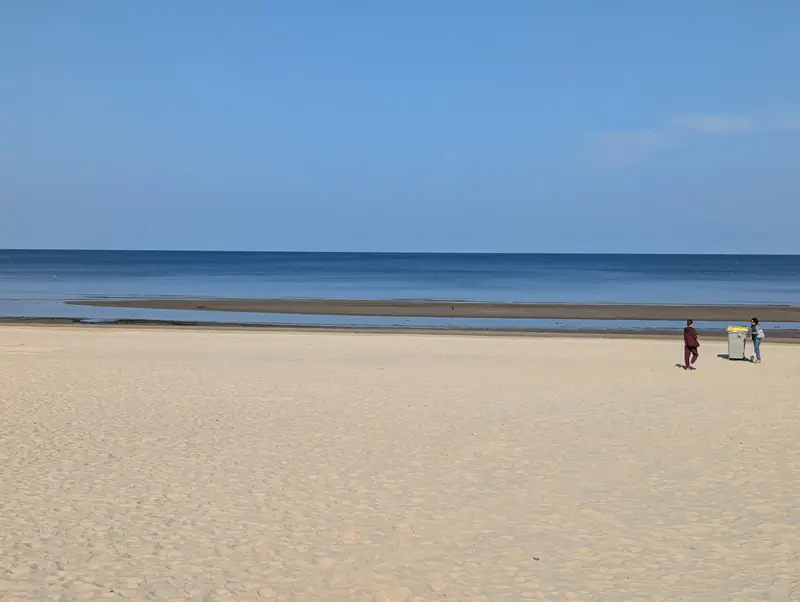
The classic easy day trip for beach air and a different pace from the city.
Map pins
Map data © OpenStreetMap contributors · Tiles © OpenFreeMap
Location
Ķemeri National Park
A nature reset close to Riga — best for boardwalk-style bog walks and fresh air.
Map pins
Map data © OpenStreetMap contributors · Tiles © OpenFreeMap
Location
Sigulda (Gauja Valley)
A top day trip for nature views and castles — easy to combine with Turaida.
Map pins
Map data © OpenStreetMap contributors · Tiles © OpenFreeMap
Location
Rundāle Palace
A high-reward palace day if you want one ‘grand interior’ trip outside Riga.
Map pins
Map data © OpenStreetMap contributors · Tiles © OpenFreeMap