
 At a glance
- Choose by vibe: summer = long light; winter = cozy atmosphere.
- Riga is a walking city year-round — adjust the day rhythm, not the whole plan.
- If you hate crowds, prioritize shoulder seasons and early-day sightseeing.
 Quick facts
- Best time
- Late spring to early autumn for long light; December for festive atmosphere.
- Best for
- Matching the season to your pace and crowd tolerance.
- Good to know
- Baltic summers have very long days; winters are cold with short daylight.


How to choose the right season (fast)
The best time to visit is the time that matches your pace. If you want long evenings and outdoor cafés, choose warmer months. If you want cozy interiors and atmospheric streets, winter can be a great fit — with the right structure.
Season by season (what it actually feels like)
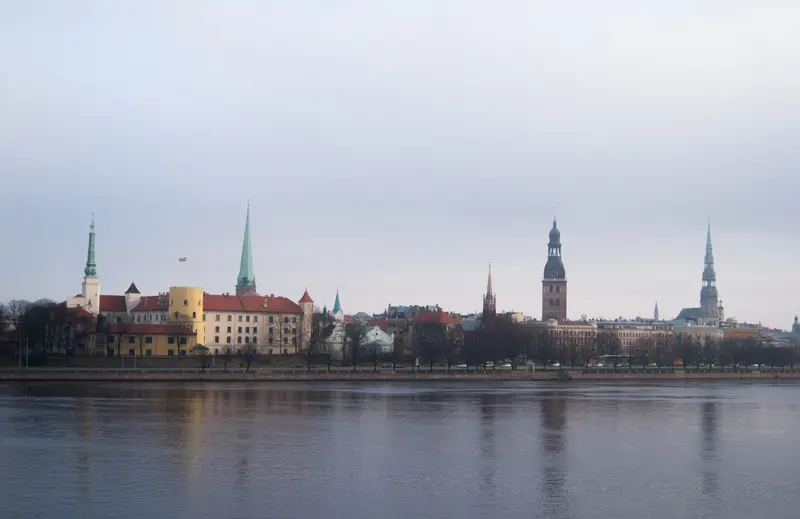
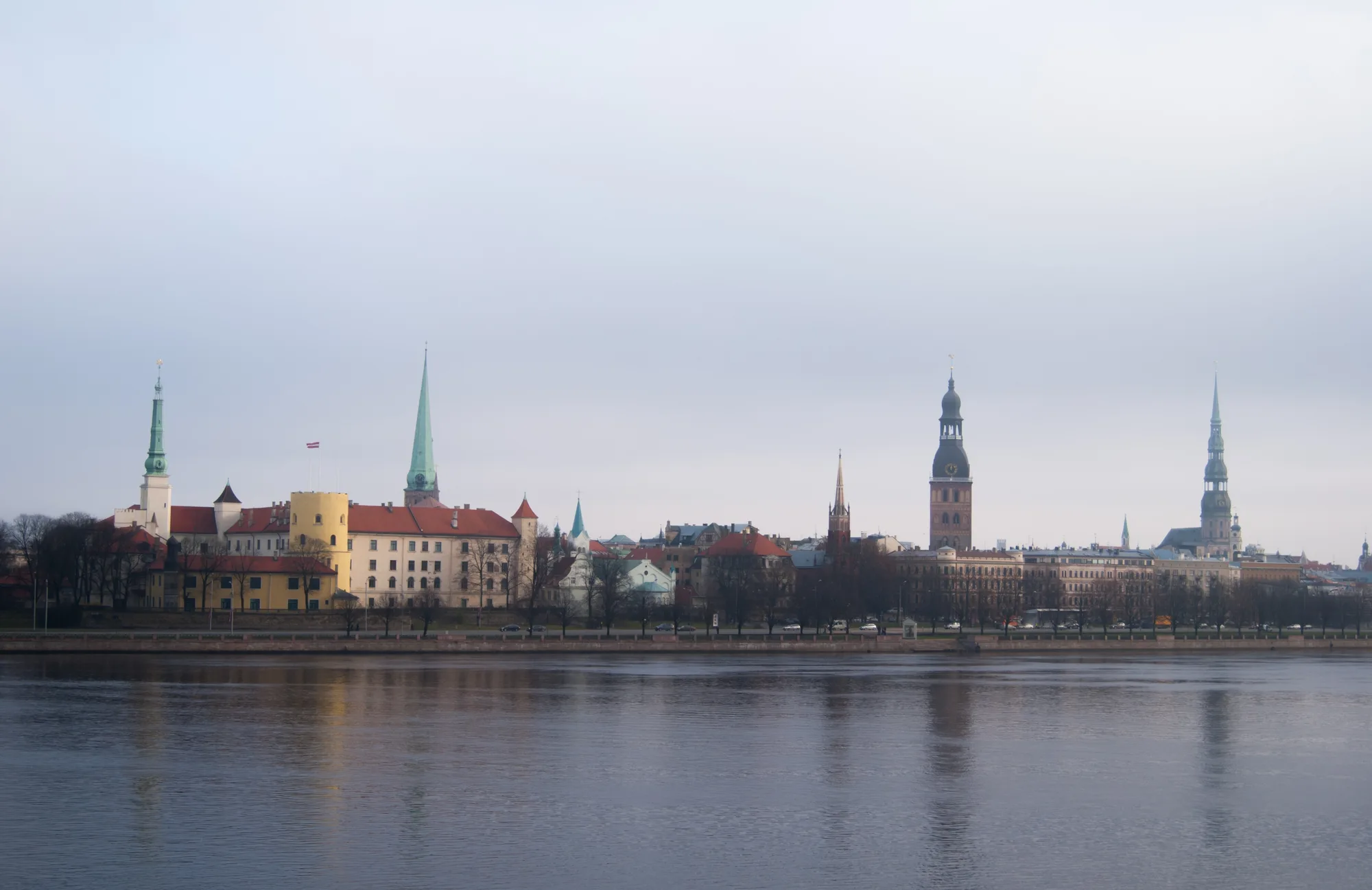
Riga has a Baltic climate, so the seasons feel genuinely different — and that difference should shape how you plan your days, not whether you go.
- Summer (Jun–Aug): warm and very long days, with light stretching late into the evening — peak season for outdoor cafés and the river.
- Late spring & early autumn (May, Sep): mild, greener or golden, and noticeably calmer than peak summer — strong shoulder-season value.
- Autumn (Oct–Nov): cooler and often grey; lean into museums, markets and cafés.
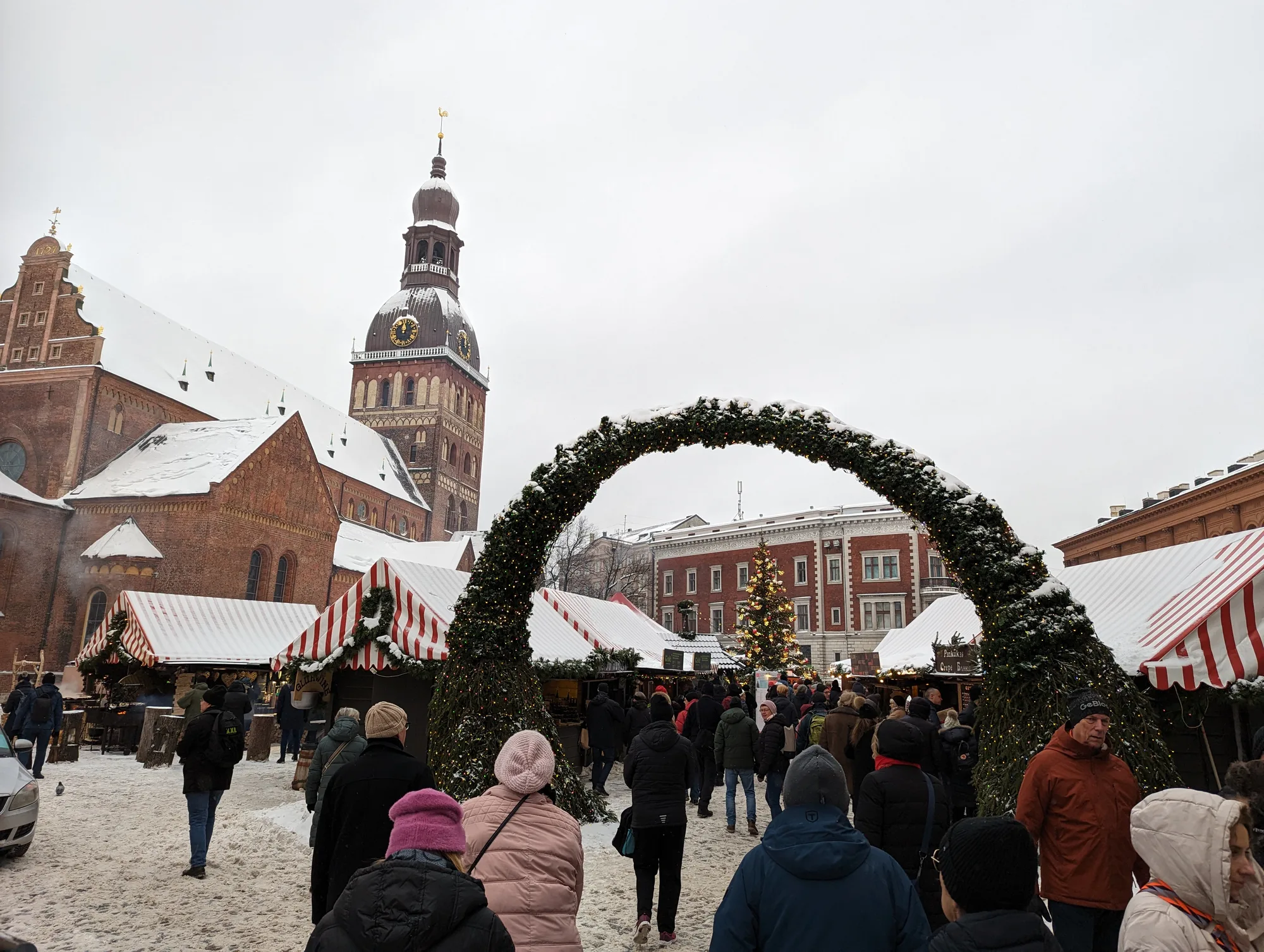
- Winter (Dec–Feb): cold with short daylight, but atmospheric — December brings festive lights and Christmas-market energy.
Sources
- Riga climate (seasonal averages) ↗
Month-by-month temperatures and what to expect.
Match the season to your trip style
It helps to choose by the kind of trip you want rather than by a 'best month' verdict, because Riga rewards different seasons differently. A long-evenings, café-terrace, river-and-parks trip is a summer trip; a museums-markets-and-cosy-cafés trip can be wonderful in the cold months; and a balance of pleasant weather without peak crowds points squarely at the shoulder seasons.
Summer (June–August) is peak for a reason: warm days around the low-to-mid 20s°C, very long light, and the city at its most outdoor and social — but also its busiest and priciest. Late spring and early autumn (May and September) keep much of the appeal with milder temperatures, green or golden surroundings, and noticeably calmer streets — often the sweet spot for first-timers. Late autumn (October–November) turns cooler and greyer, which is when Riga's indoor life — museums, the Central Market, long café sits — really earns its place. Winter (December–February) is cold, with crisp or snowy spells, and is about atmosphere: festive lights, markets and warm interiors.
- Summer (Jun–Aug): warmest, longest light, liveliest — but busiest and dearest.
- Shoulder (May, Sep): mild, calmer, strong value — a great default.
- Late autumn (Oct–Nov): cooler and grey; lean into museums, markets, cafés.
- Winter (Dec–Feb): cold and atmospheric — festive lights and cosy interiors.
The big variable: daylight, not just temperature
More than the temperature, it's the length of the day that changes the feel of a Riga trip — and the swing is dramatic at this latitude (around 57° north). Around midsummer the sun is up for roughly 17–18 hours, and the sky never fully darkens through the short nights, the famous Baltic 'white nights' that run from late May into mid-July. You can wander the Old Town at 10pm in soft daylight, linger over dinner outdoors, and still have evening left.
Mid-winter is the mirror image. Around the December solstice the day shrinks to under seven hours, with the sun low and the light grey and brief — it can feel dim by mid-afternoon. That isn't a reason to stay away, but it should reshape the plan: do your outdoor sightseeing in the bright middle of the day and lean into Riga's warm interiors, cafés, museums and festive lights once the light goes.
- Midsummer: ~17–18 hours of daylight and 'white nights' (late May–mid July).
- Midwinter: under ~7 hours of daylight; it can feel dim by mid-afternoon.
- Plan around the light: outdoors at midday in winter; long evenings in summer.
Dates worth knowing (Jāņi midsummer)
One date stands out on the Latvian calendar: Jāņi (also called Līgo), the midsummer festival on 23–24 June. It's one of the country's most important holidays — people wear wreaths of flowers and oak leaves, light bonfires, sing traditional songs and stay up through the barely-dark night. The atmosphere is wonderful, but it's also a public holiday, so expect many Rīgans to leave for the countryside and some shops, restaurants and services to keep reduced hours or close around it. Plan a little extra and don't count on a fully 'business as usual' city for those couple of days.
December is the other standout window. The festive markets, lights and Christmas-tree tradition (Riga claims one of the first recorded public Christmas trees) make the dark month genuinely cheerful, and it's a strong reason to visit despite the short days — just dress for cold and pace the day around the light.
- Jāņi / Līgo (23–24 June): a major holiday — joyful, but expect reduced hours and a quieter city.
- December: festive markets and lights make the darkest month feel warm.
- Around public holidays, check opening hours rather than assuming the usual.
Sources
- LiveRiga: Līgo & summer solstice ↗
Official overview of the midsummer celebrations.
Best time to visit Riga FAQ
What is the best month to visit Riga?
There's no single 'best' month — it depends on what you want. For long light, outdoor cafés and the liveliest atmosphere, June to August is peak. For mild weather with thinner crowds and good value, the shoulder months of May and September are hard to beat. For festive lights and Christmas-market energy you'll trade daylight for atmosphere in December. Riga is a walking city year-round, so the real question is which trade-off — light, crowds, or cosiness — matters most to you.
Is Riga worth visiting in winter?
Yes, if you plan around the light. Winters are cold and the days are short — under seven hours of daylight around the solstice — but the city turns atmospheric, with festive markets, lights and warm cafés. The trick is rhythm: do your outdoor walking in the bright midday hours and shift to interiors, museums and food once it gets dark. Pack genuinely warm layers and you'll find December especially rewarding.
How crowded does Riga get in summer?
Summer is the busy season, especially the Old Town's central squares and the riverfront on warm evenings and weekends. It rarely feels overwhelming by big-European-capital standards, but if you're crowd-sensitive, two simple habits help: sightsee early in the morning when the lanes are calm, and consider May or September instead, when the weather is still pleasant and the crowds noticeably thinner.
What should I pack for the season?
Pack for the Baltic version of each season rather than your home version. In summer, bring light layers and a compact rain jacket — days are warm but evenings by the river cool down, and showers pass through. In the shoulder months of May and September, add a warmer mid-layer and comfortable walking shoes, since the weather can swing from mild sun to brisk and grey within a day. In winter, take it seriously: a proper warm coat, hat, gloves and grippy, water-resistant footwear make the difference between enjoying the festive streets and cutting the day short. Whatever the month, Riga is a walking city, so shoes you can cover a lot of cobblestones in matter more than anything else in the bag.
 Location
Riga Central Market
The city’s big market halls — a high-value food stop and a great way to understand everyday Riga fast.
Nearby (walkable)
- Spīķeri
- St. Peter’s Church
- Bremen Town Musicians
- House of the Black Heads
- Latvian Academy of Sciences
- Latvian National Opera
Map pins
Map data © OpenStreetMap contributors · Tiles © OpenFreeMap