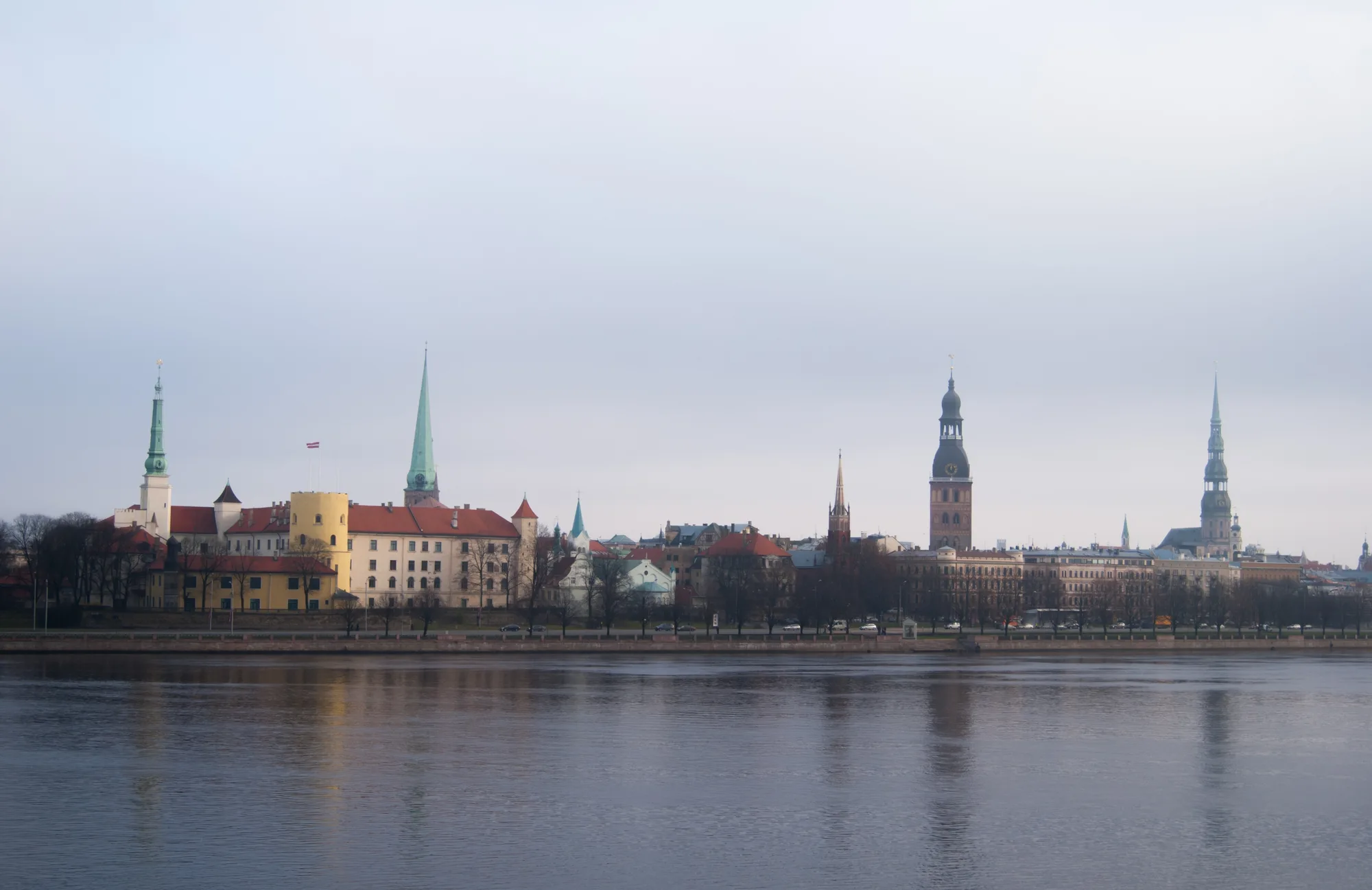

 At a glance
- Plan by clusters: Old Town + canal/parks, then an Art Nouveau afternoon.
- Use one warm anchor daily (market, museum, or café), especially in winter.
- Choose one viewpoint and do it well (not five).
The easiest structure (that actually works)
If you do one thing right in Riga, make it this: plan by walkable clusters. Riga is compact, but your day can still get messy if you zigzag across the city for minor stops.
A simple structure keeps the trip enjoyable: one daytime loop + one warm reset + one slow evening walk.
- Loop A: Old Town lanes + one landmark anchor.
- Reset: Central Market or a sit-down café.
- Loop B: Art Nouveau details walk (short, slow, eyes up).
- Evening: canal/park walk + cozy dinner.
What to prioritize (and what to skip)
Riga has a lot of ‘nice’ sights. Your trip gets better when you prioritize the ones that match your pace: Old Town atmosphere, one architecture block, and one food ritual.
- Prioritize: Old Town loop + Central Market + an Art Nouveau walk.
- Skip: cross-town detours for small sights that don’t fit your day’s cluster.
- Upgrade: add one calm park/canal walk to decompress.
If you’re visiting in winter
Riga in winter can feel magical — if you plan for warmth. Build indoor anchors into your route and keep outdoor segments shorter and more intentional.
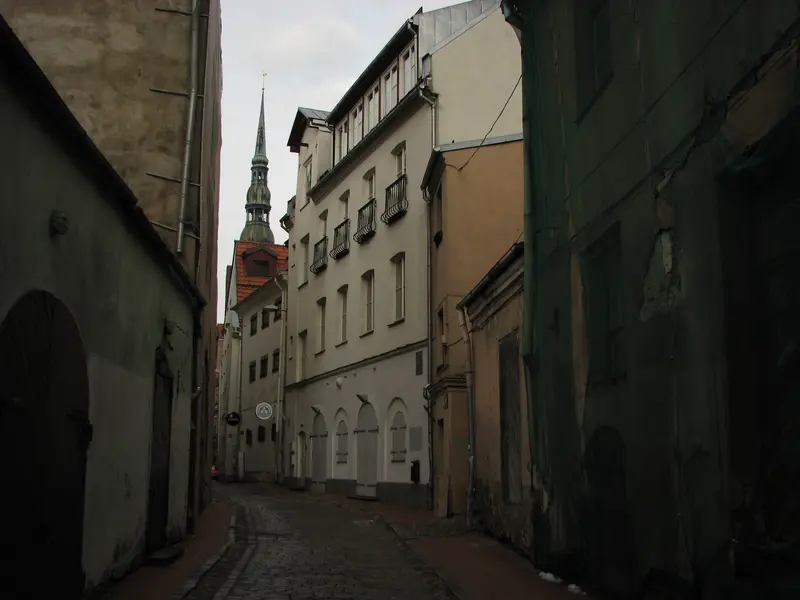
What makes Riga easy for a first visit
Riga is one of the most beginner-friendly capitals in Europe, mostly because of its size. The historic centre is small and flat, and its headline sights — the medieval Old Town, the canal park, the Central Market, and the Art Nouveau quarter — all sit within an easy walk of one another. The whole centre, both the Old Town and the 19th-century boulevards, is a single UNESCO World Heritage site, which is why a slow loop on foot covers so much ground without any logistics.
That compactness means a first-timer rarely needs to think about transport inside the city. You walk almost everything, and you only really need a bus or taxi for the airport, a neighbourhood across the river, or a tired evening. It also means you can afford to slow down: the city rewards atmosphere over coverage, so a relaxed pace is not just pleasant, it is the right strategy.
Practically, Riga is also forgiving. English is widely understood in tourism and hospitality, cards and contactless work almost everywhere, and the country uses the euro. The result is a capital you can settle into quickly, where the main planning decision is simply how to group your days so you are not zigzagging across town for minor stops.
- Compact, flat, walkable: the main sights cluster within easy walking distance.
- UNESCO-listed centre — a single slow loop covers the headline highlights.
- Card-friendly, euro, English widely understood: low-friction for first-timers.
Sources
- UNESCO: Historic Centre of Riga ↗
Why the Old Town and Art Nouveau boulevards are listed.
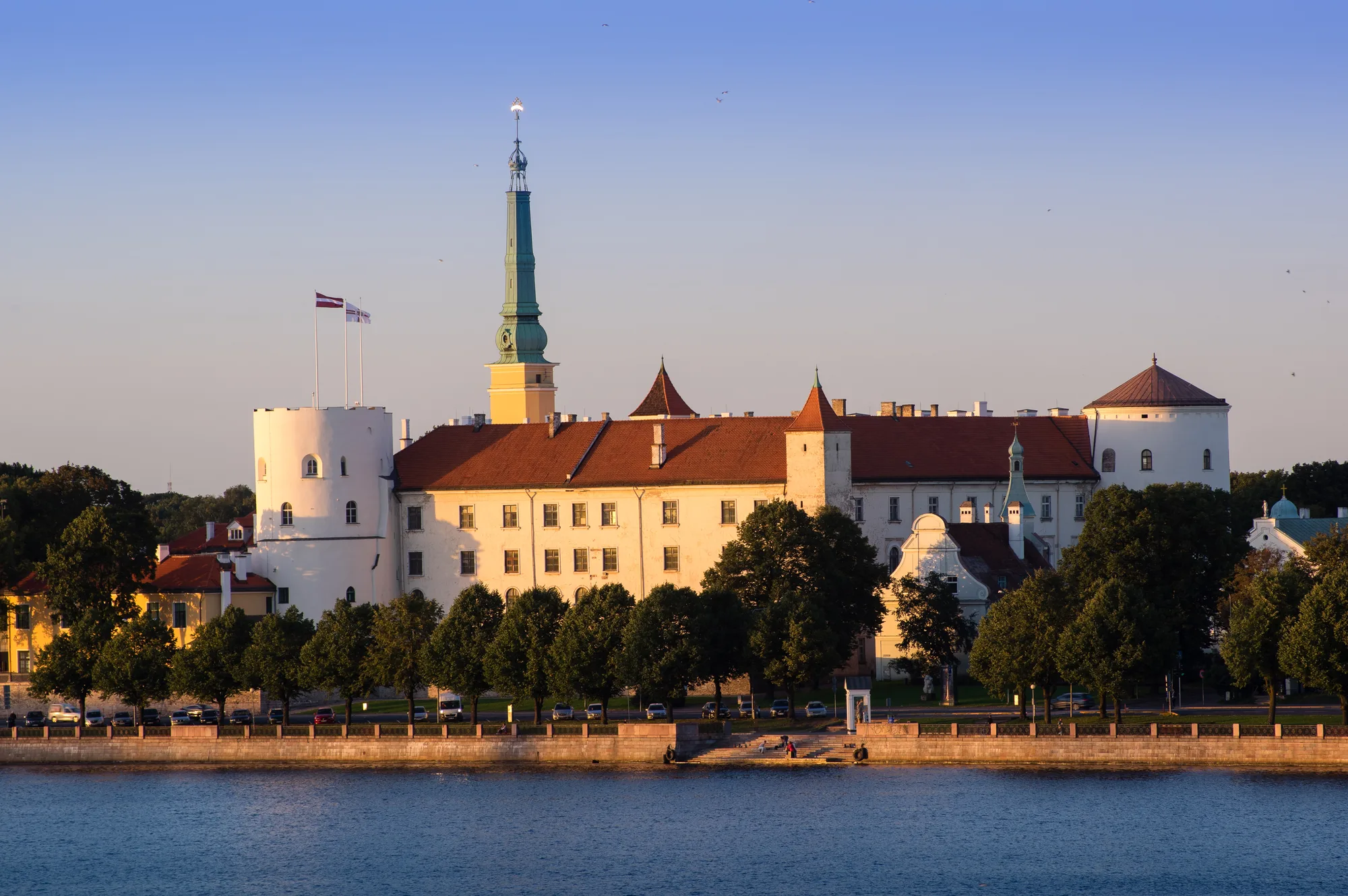
The five things a first-timer should actually see
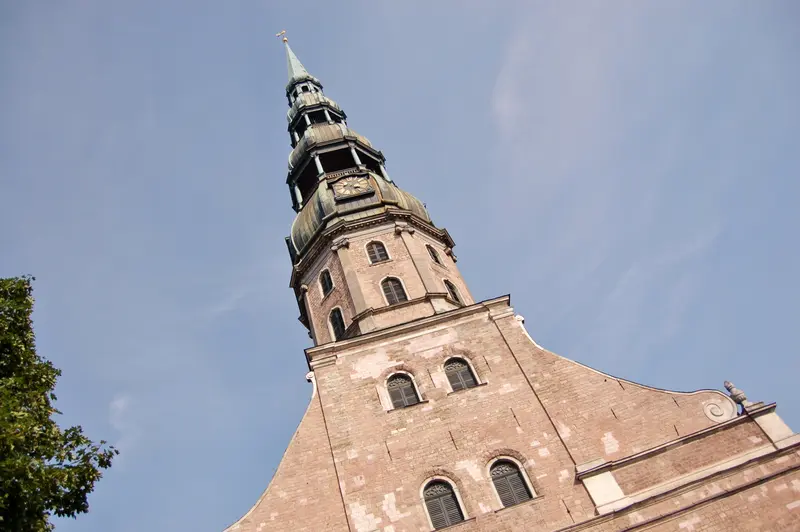
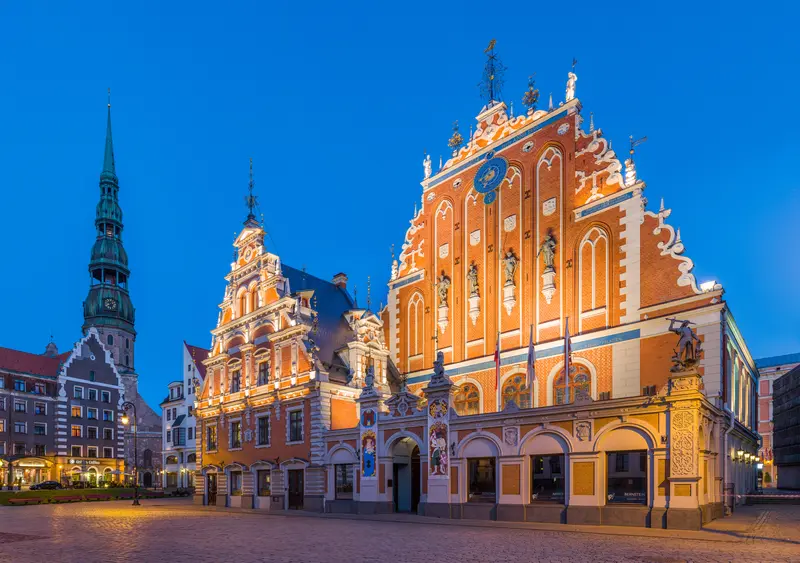
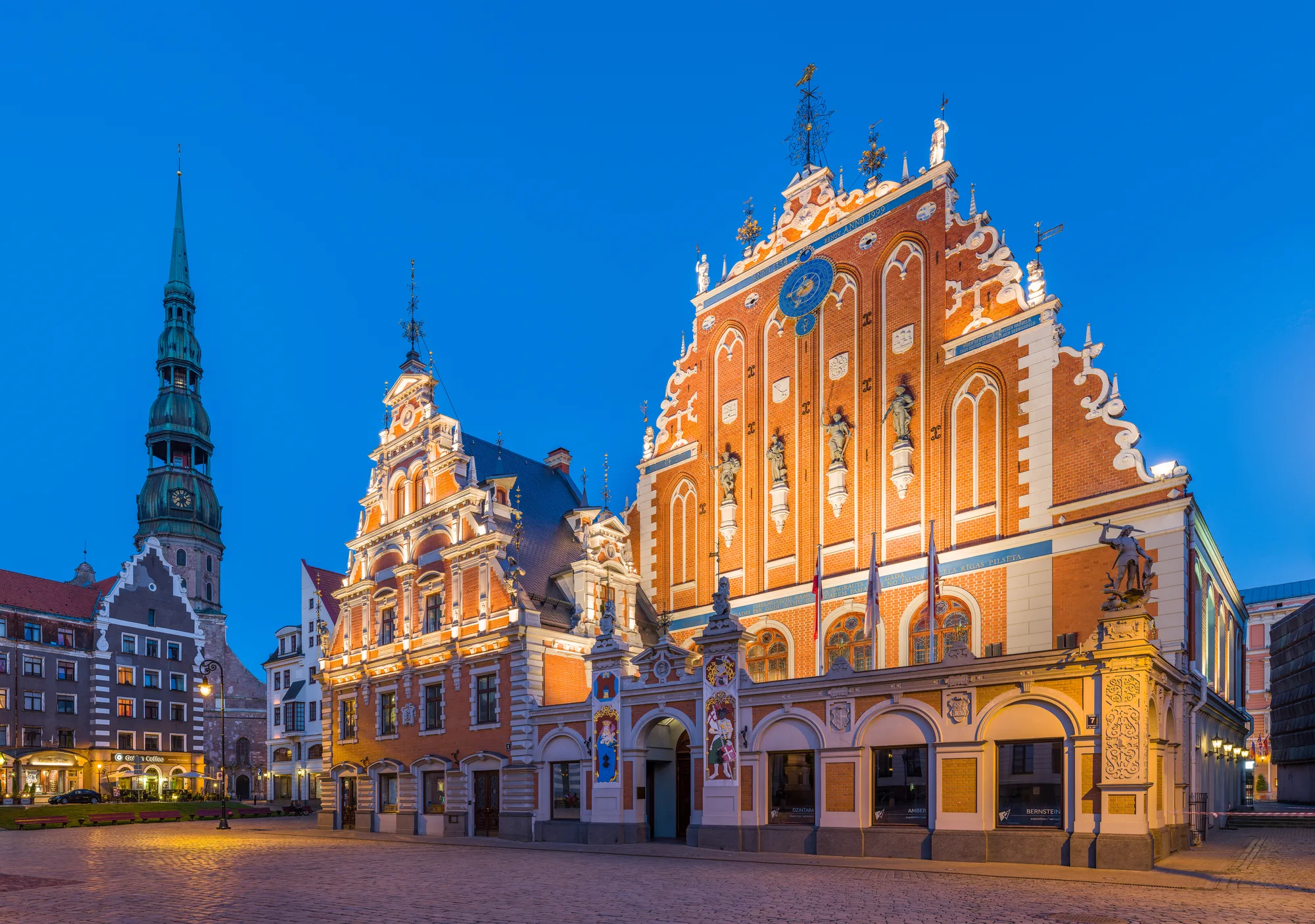
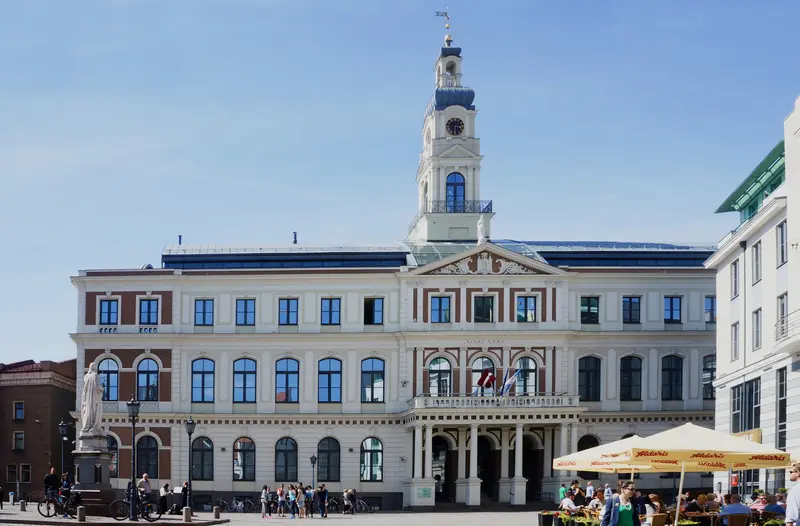
Riga has a long list of pleasant sights, but five things define the city and belong on any first visit. Start with the Old Town (Vecrīga): the cobbled lanes around Town Hall Square and the House of the Black Heads, St. Peter's Church with its central viewpoint, the Three Brothers — the oldest stone houses in the city — and Dome Square with Riga Cathedral, the largest medieval church in the Baltics.
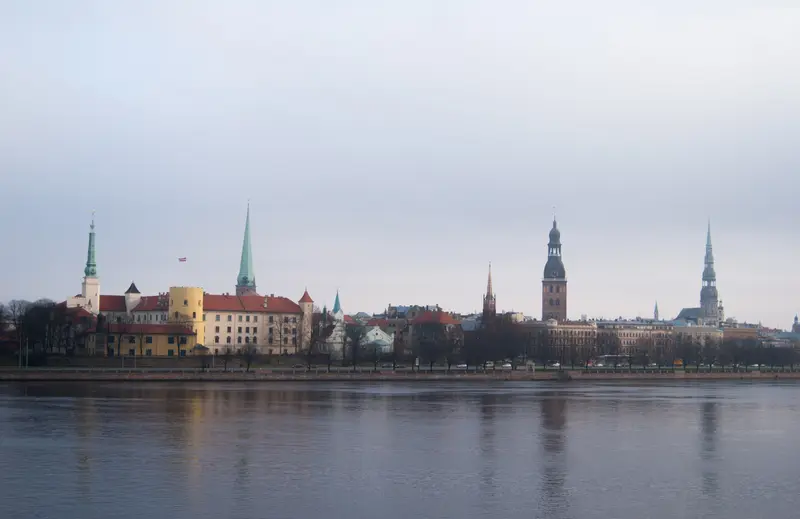
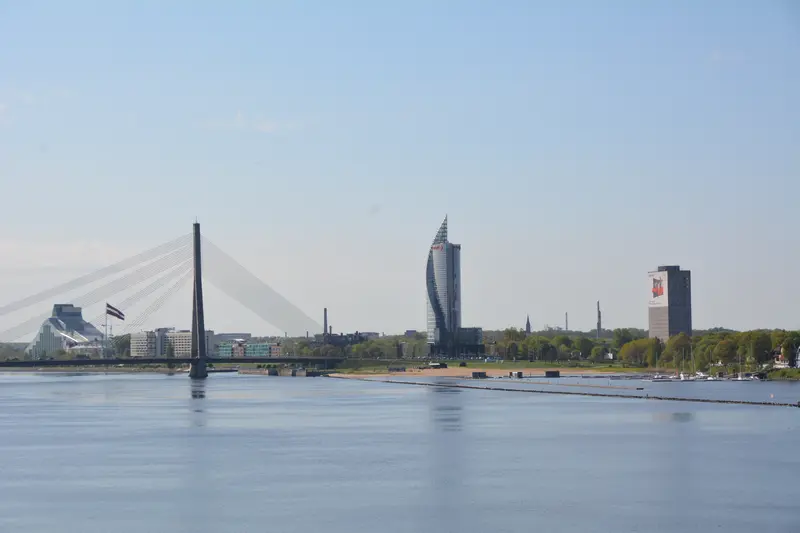
Second is the Freedom Monument and the canal park beside it, the green ribbon that traces the old fortifications and links the Old Town to the boulevards. Third is the Central Market, five hangar-sized pavilions among the largest markets in Europe, perfect as a food anchor and a warm refuge. Fourth is the Art Nouveau quarter around Alberta iela, one of the densest concentrations of the style anywhere. Fifth is the Daugava riverfront, the wide-sky finish that ties the city together at dusk.
If you do those five things slowly and skip the urge to add a dozen minor stops, you will have seen the real Riga. Everything else — museums, neighbourhoods across the river, day trips — is a worthwhile bonus, not a requirement for a first visit.
- The Old Town loop: House of the Black Heads, St. Peter's, Three Brothers, Dome Square.
- The Freedom Monument and the canal park.
- The Central Market (food anchor and warm refuge).
- The Art Nouveau quarter around Alberta iela.
- The Daugava riverfront at dusk.
First-timer practicalities, in one place
Stay in or near the Old Town so both your days begin and end on foot — it removes most transport from the trip. From the airport, the city bus (route 22) reaches the Old Town in roughly 30–45 minutes for a low fare, with a night route for late arrivals; a taxi or app is the faster choice with luggage. Once you're settled, you'll mostly walk.
Money is simple: Latvia uses the euro, cards and contactless are accepted almost everywhere, and you only need a little cash for market stalls and tips. If you do use public transport, buy a 90-minute ticket in advance rather than paying more onboard. Tap water is safe to drink, so a refillable bottle is worth carrying.
Pace beats packing it in. Build one warm or sit-down anchor into each day — the market, a museum, or a proper café break — and keep one slot flexible for the unplanned wander that usually becomes the best memory. Check opening hours the day before for anything specific, as they shift by season.
- Base yourself in or near the Old Town to keep the trip on foot.
- Airport bus 22 to the centre is cheap; a taxi or app is faster with bags.
- Euro, card-friendly, safe tap water — carry only a little cash.
- One warm/sit-down anchor a day, one flexible slot, hours checked the night before.
First time in Riga FAQ
How many days do you need for a first trip? Two full days is the sweet spot — one for the classic Old Town and canal park, one for the Art Nouveau streets, the market, and a museum. One day works if you stay tight; three lets you add a slower neighbourhood day across the river.
Is Riga good for first-time travellers and is it safe? Yes on both counts. It is compact, walkable, card-friendly, and English-speaking in tourism settings, and the central areas are comfortable to walk, including in the evening. Apply normal city sense in crowds and nightlife streets, and use official taxis or trusted apps.
Do you need to speak Latvian? No. Latvian is the official language, but English is widely understood in hotels, restaurants, and attractions, so communication is easy for visitors.
When is the best time for a first visit? Late spring through early autumn is easiest, with mild weather and long daylight; summer evenings are especially memorable this far north. Winter is beautiful under snow but cold and dark early — plan warm indoor anchors and do outdoor highlights earlier in the day.
 Location
Riga Central Market
The city’s big market halls — a high-value food stop and a great way to understand everyday Riga fast.
Nearby (walkable)
- Spīķeri
- St. Peter’s Church
- Bremen Town Musicians
- House of the Black Heads
- Latvian Academy of Sciences
- Latvian National Opera
Map pins
Map data © OpenStreetMap contributors · Tiles © OpenFreeMap
 Location
House of the Black Heads
A classic Old Town landmark on Town Hall Square — easy to pair with an evening walk in Vecrīga.
Nearby (walkable)
- St. Peter’s Church
- Riga Cathedral
- Bremen Town Musicians
- Līvu Square
- The Three Brothers
- Cat House (Kaķu nams)
Map pins
Map data © OpenStreetMap contributors · Tiles © OpenFreeMap
 Location
Alberta iela (Art Nouveau)
Riga’s most famous Art Nouveau street — best early for quieter photos and details.
Nearby (walkable)
- Riga Art Nouveau Museum
- Latvian National Museum of Art
- Kronvalda Park
- Esplanāde Park
- Bastejkalna Park
- Freedom Monument
Map pins
Map data © OpenStreetMap contributors · Tiles © OpenFreeMap
Location
Freedom Monument
The symbolic heart of Riga — a natural meeting point for a city-center walking route.
Nearby (walkable)
- Bastejkalna Park
- Latvian National Opera
- Esplanāde Park
- Līvu Square
- Cat House (Kaķu nams)
- Swedish Gate
Map pins
Map data © OpenStreetMap contributors · Tiles © OpenFreeMap
 Location
St. Peter’s Church
Old Town icon with one of the best viewpoints over Riga’s rooftops.
Nearby (walkable)
- Bremen Town Musicians
- House of the Black Heads
- Līvu Square
- Cat House (Kaķu nams)
- Riga Cathedral
- Latvian National Opera
Map pins
Map data © OpenStreetMap contributors · Tiles © OpenFreeMap
Location
Riga Cathedral
A calm Old Town stop — easy to pair with a slow lane-wandering loop.
Nearby (walkable)
- The Three Brothers
- House of the Black Heads
- Cat House (Kaķu nams)
- Līvu Square
- Swedish Gate
- Riga Castle
Map pins
Map data © OpenStreetMap contributors · Tiles © OpenFreeMap
Location
The Three Brothers
A photogenic Old Town corner: historic houses and classic Riga texture.
Nearby (walkable)
- Riga Cathedral
- Swedish Gate
- Riga Castle
- Cat House (Kaķu nams)
- Līvu Square
- House of the Black Heads
Map pins
Map data © OpenStreetMap contributors · Tiles © OpenFreeMap
