 At a glance
- Day 1 is classic Riga; day 2 adds architecture + food depth.
- Use warm stops on purpose (market, museum, cafés).
- Keep evenings short and close to your base — it improves the whole trip.
Day 1: Old Town + canal walk + cozy night
Do the core loop early, then decompress in the parks/canal area before dinner.
Day 2: Art Nouveau + market + museum (optional)
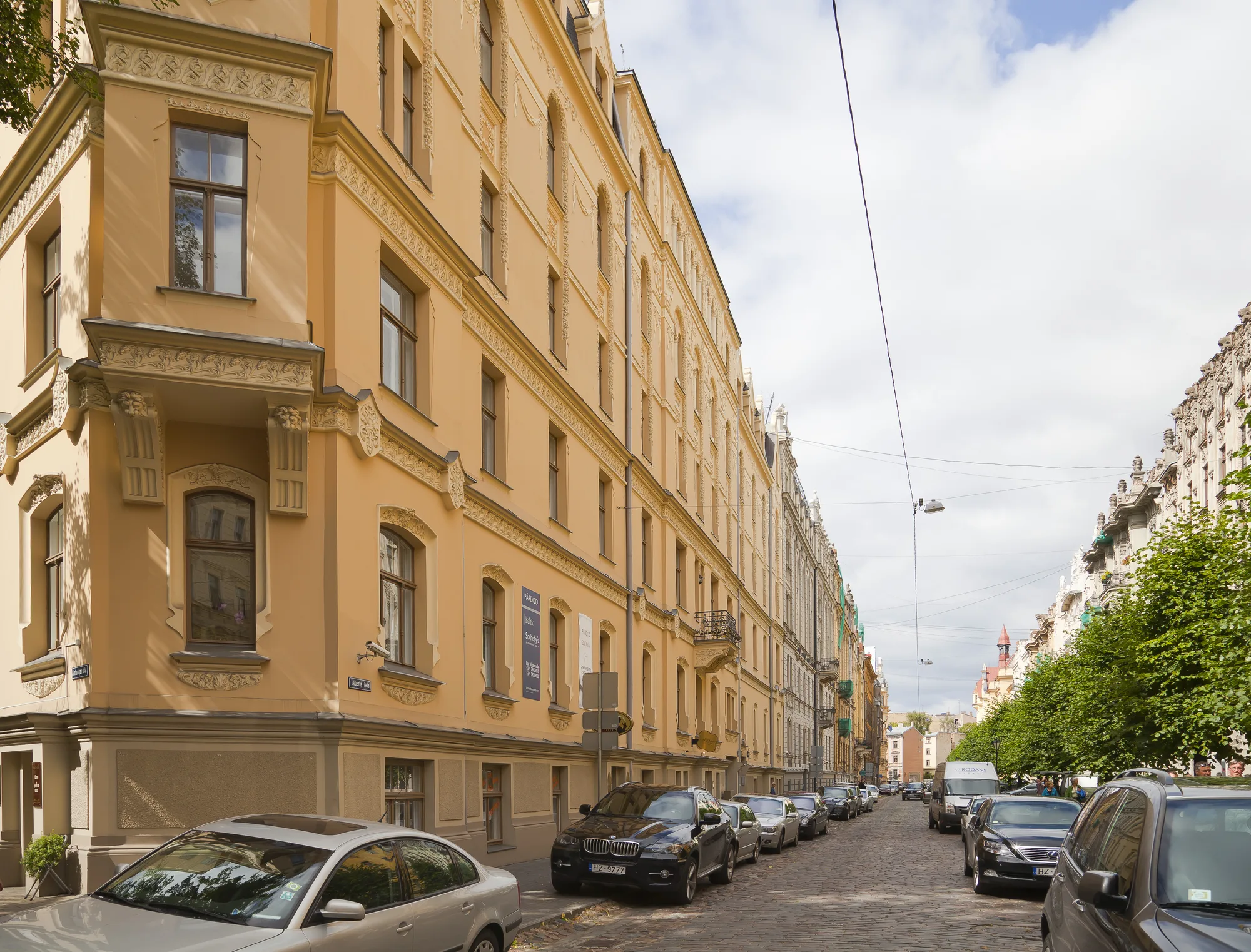
Walk the architecture streets slowly, then use the market as a food anchor. Add one museum if the weather calls for it.
Why two days is the sweet spot
Two days is the ideal length for a first visit to Riga. One day forces you to rush the things that reward slowness; three or more invites a slump. Two gives you exactly enough room to do the classic city well — the Old Town, the canal park, the Central Market, the Art Nouveau quarter, and one good museum — while still leaving breathing space for a long café sit and an unhurried evening walk.
The plan splits cleanly: Day 1 is classic Riga, taken as one slow loop through the medieval core and the green ribbon of the canal park; Day 2 is architecture and food, built around the Art Nouveau streets, the market, and an optional museum chosen for mood and weather. Because the whole centre is compact and UNESCO-listed, you will walk almost everything and rarely need transport beyond the airport and the occasional tired-evening ride.
Keep the same daily skeleton both days: a relaxed morning anchor, a flexible midday, and a calm evening close to your base. That rhythm is what makes a two-day trip feel restful rather than crammed, and it scales up gracefully if you decide to add a third day or a day trip later.
- Day 1: classic Riga — Old Town core plus the canal park.
- Day 2: architecture and food — Art Nouveau, the market, an optional museum.
- Walk almost everything; keep evenings short and near your base.
Sources
- Live Rīga (official tourism) ↗
Official source for venue hours and seasonal events.
Day 1 morning: the Old Town core
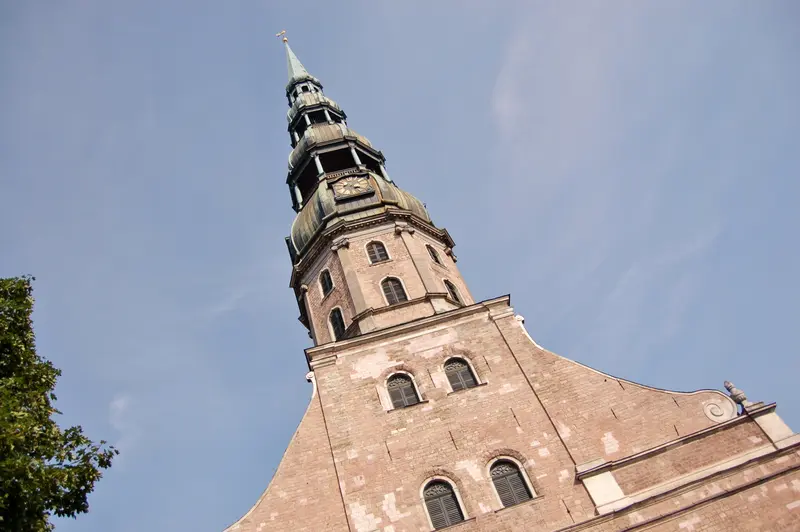
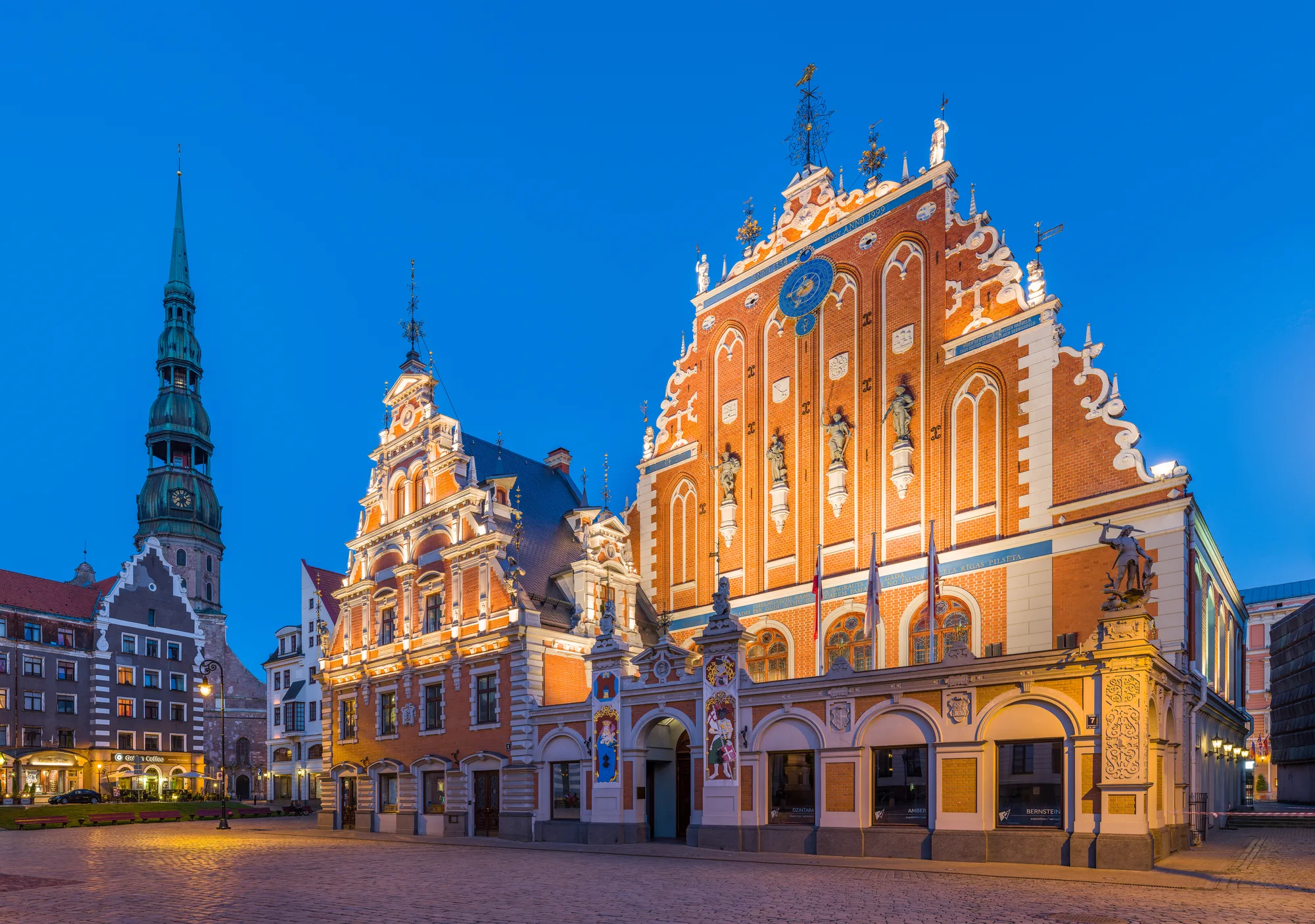
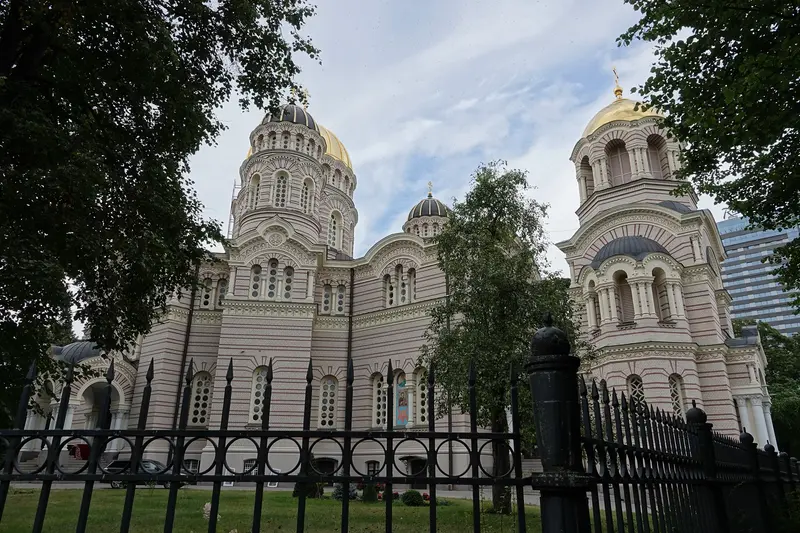
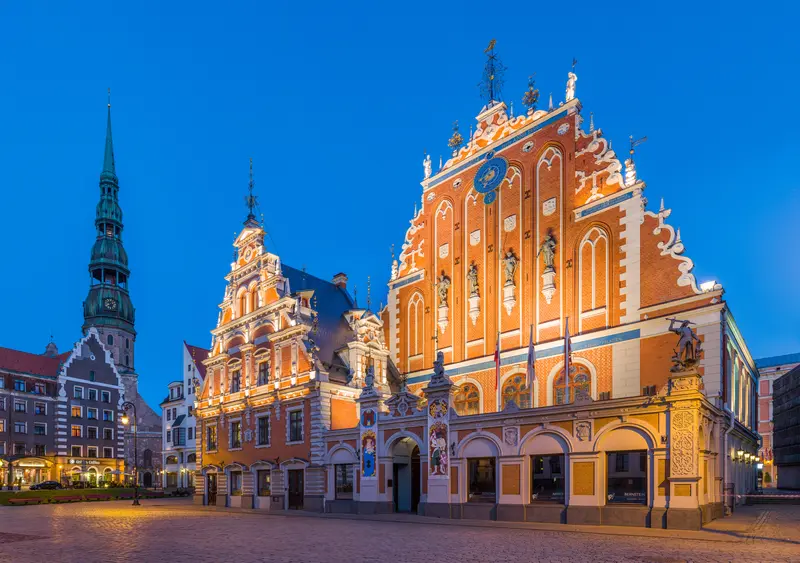
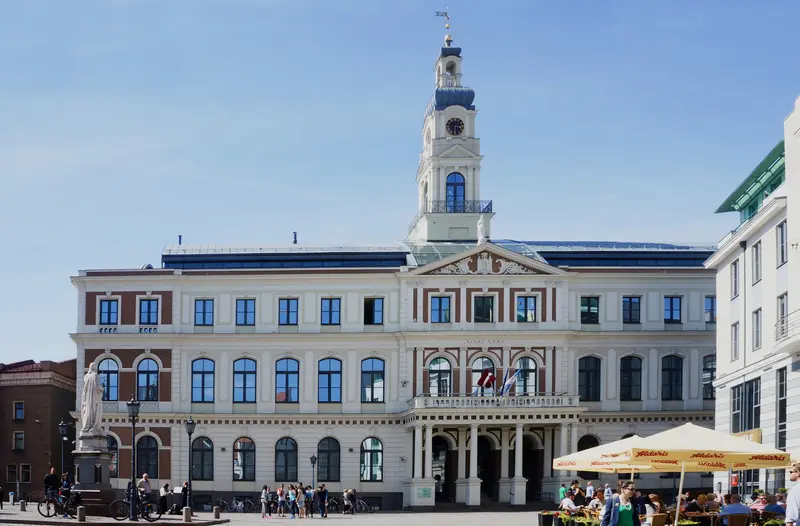
Start in the medieval heart while it is quiet. Begin at Town Hall Square (Rātslaukums) in front of the rebuilt House of the Black Heads, then wander north through the lanes to St. Peter's Church. Take the tower lift early for the city's best central viewpoint — red rooftops, spires, and the wide Daugava beyond — before the crowds gather.
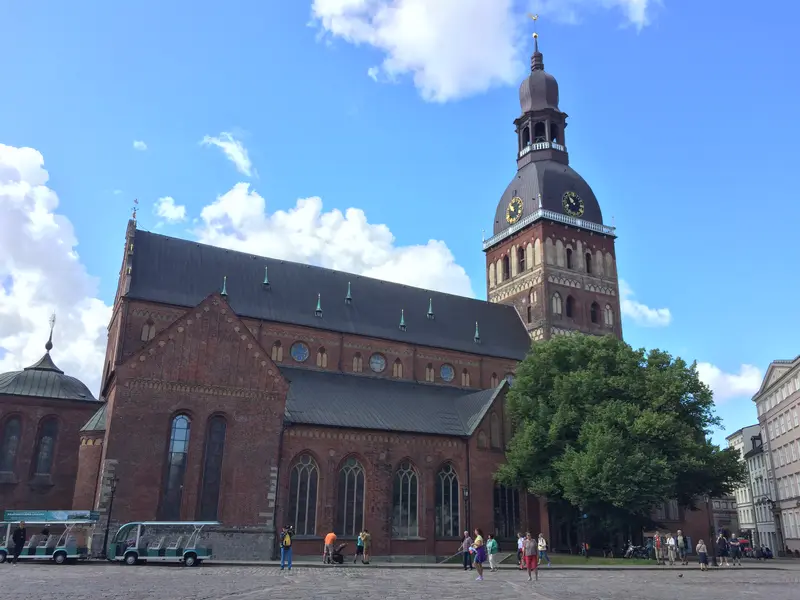
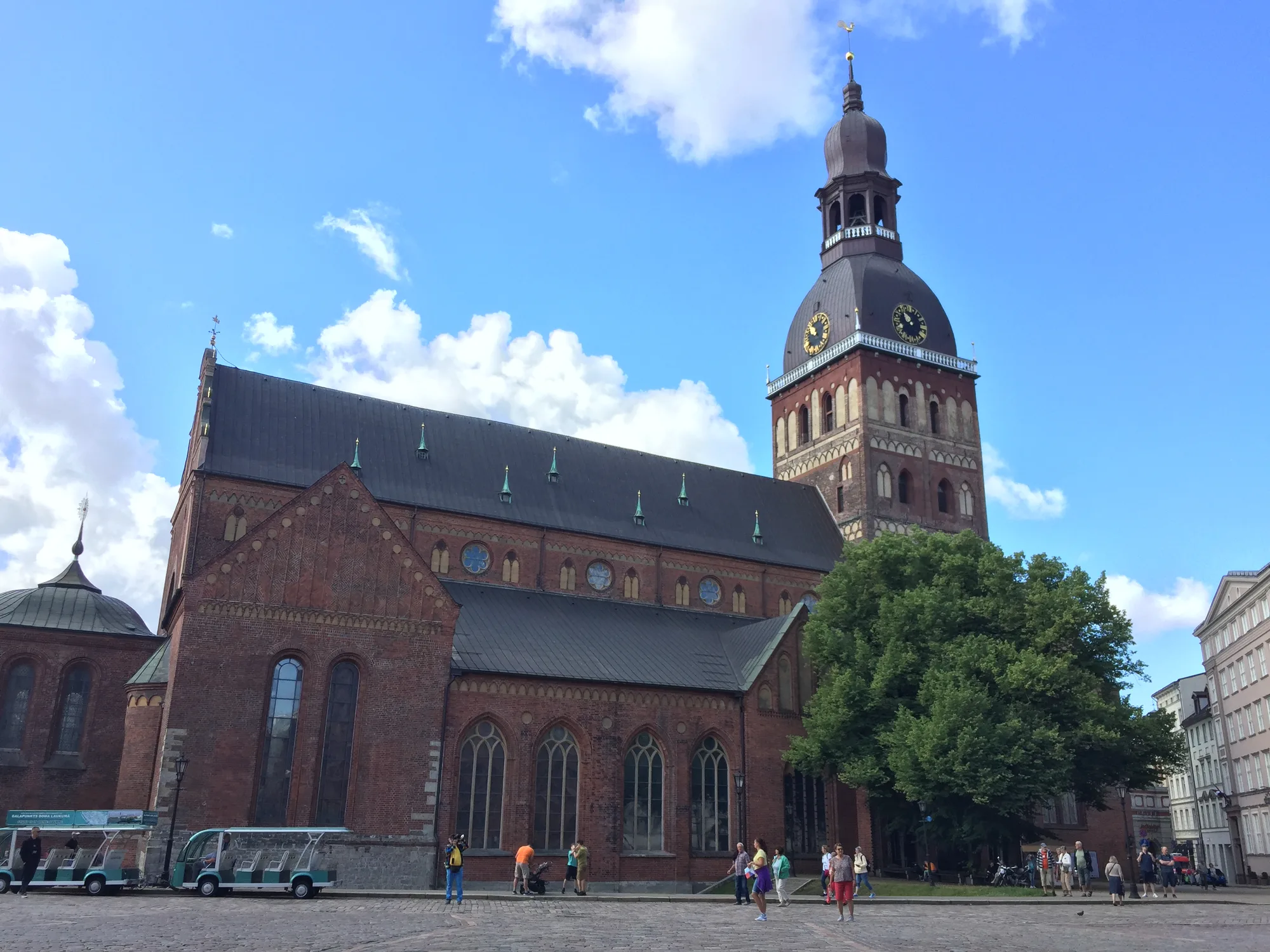
From there, walk to the Three Brothers on Mazā Pils iela, the oldest stone dwelling houses in Riga, and on to Dome Square (Doma laukums), the Old Town's largest square and home to Riga Cathedral, the biggest medieval church in the Baltics. Loop past the Swedish Gate, the surviving city wall, and the Powder Tower. None of this is far apart; the morning should feel like a slow drift, not a march.
Anchor the late morning with coffee on Dome Square or in one of the side lanes. This is the moment to absorb the Old Town's atmosphere rather than tick boxes — you will pass back through these streets in the evening and see them transform.
- House of the Black Heads → St. Peter's tower (early) → Three Brothers → Dome Square.
- Swedish Gate, the old wall, and the Powder Tower to close the loop.
- Coffee on or near Dome Square before midday.
Day 1 afternoon and evening: canal park and a cozy night
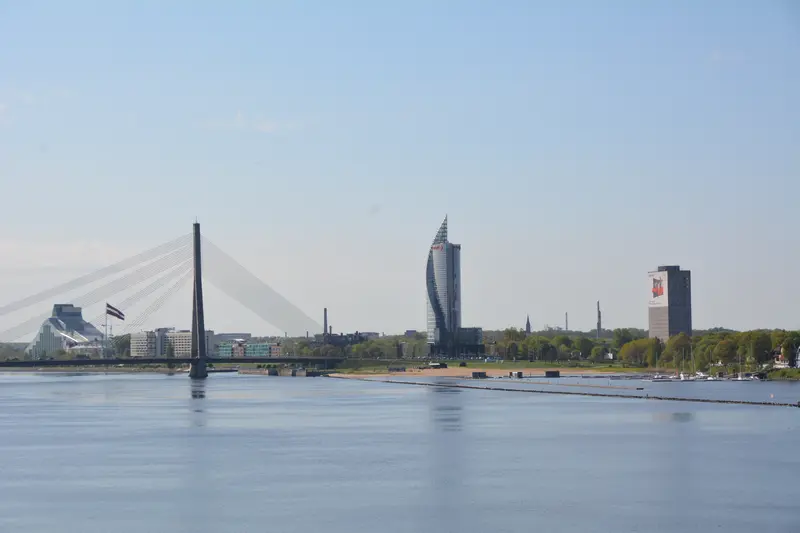
After lunch in or near the Old Town, exit east toward the Freedom Monument and pick up the canal park (Pilsētas kanāls). This green-and-water ribbon traces the line of the old fortifications and is the gentlest walk in the city — past Bastejkalns hill, the Latvian National Opera, and quiet benches that make a natural reset for tired legs. In warmer months a small sightseeing boat glides the same canal if you'd rather sit than walk.
Spend the rest of the afternoon loosely: a museum if the weather is poor, a longer café sit if it is fine, or simply more of the boulevards that ring the Old Town. The aim of Day 1 is orientation, so resist the urge to add a second major sight — you will be glad of the saved energy on Day 2.
For the evening, eat close to your base and keep it simple. Then, if you have anything left, take a short loop back through the Old Town squares after dark, when the day-trippers have gone and the lamplit lanes feel like a different city. In summer, do this walk late — the northern light lingers well past dinner.
- Walk the canal park from the Freedom Monument past Bastejkalns and the Opera.
- Keep the afternoon flexible: museum if wet, café and boulevards if fine.
- Dinner near your base, then an after-dark loop through the quiet Old Town squares.
Day 2 morning: the Art Nouveau quarter
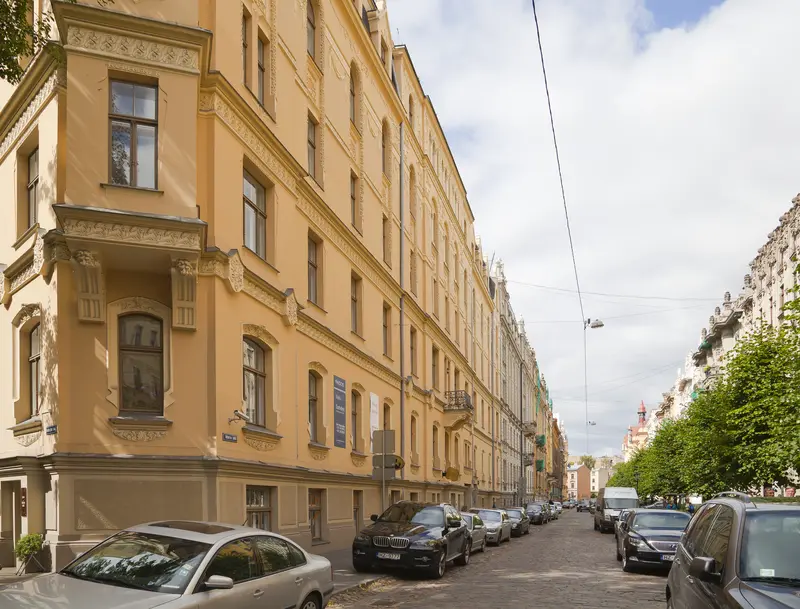
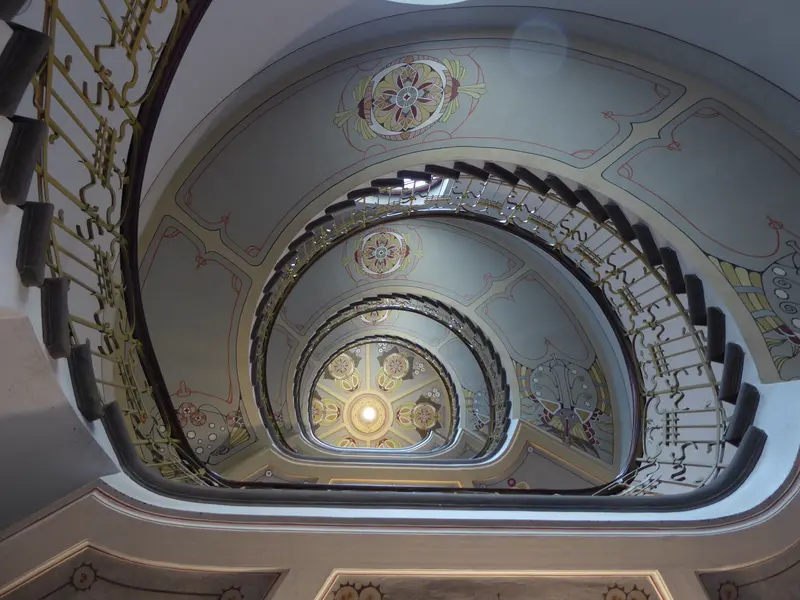
Give the second morning to architecture. Walk north from the centre to the streets around Alberta iela and Elizabetes iela, where Riga holds one of the densest collections of Art Nouveau buildings in the world — a key reason the historic centre is on the UNESCO list. This is a slow, eyes-up walk: look for the carved faces, masks, peacocks, and flowing ironwork that cover the façades, several of them designed by Mikhail Eisenstein on Alberta iela.
Don't try to cover every street. One or two blocks taken carefully will teach you more than a hurried sweep of ten. If you want context — or if it is raining — the Riga Art Nouveau Museum on Alberta iela recreates a period apartment and explains the style and the people behind it.
Break for coffee somewhere in the quieter streets north of the boulevards. The neighbourhood feels more residential than the Old Town, which is part of its charm; it is the everyday-grandeur Riga that visitors often remember most.
- Walk Alberta iela and Elizabetes iela slowly — details over distance.
- Optional: the Riga Art Nouveau Museum for a recreated period apartment.
- Coffee in the quieter residential streets to slow the morning down.
Day 2 midday and evening: market, museum, and the riverfront
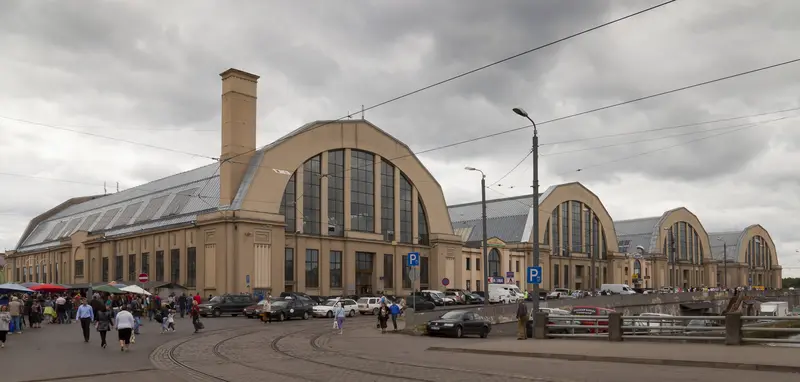
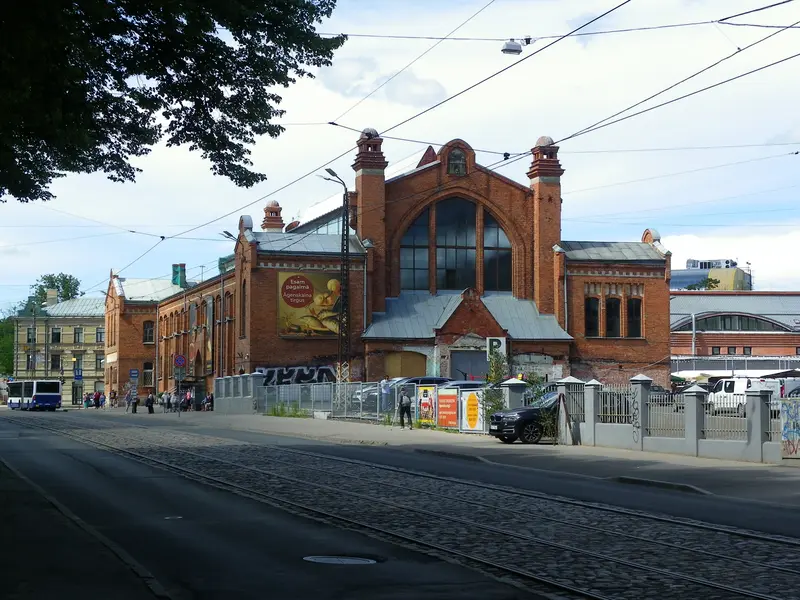
Use the Central Market as your midday food anchor — five vast pavilions, once Zeppelin hangars, that form one of the largest markets in Europe. Graze across the themed halls (produce, meat, dairy, fish, gastronomy) rather than committing to one big meal: smoked fish, dark rye bread, local cheese, and seasonal berries are the things to look for. The heated indoor pavilions are also the best wet-weather refuge in the city.
If the day calls for it, add one museum in the afternoon — but only one, and only if it genuinely improves the day rather than because you feel you should. The Latvian National Museum of Art, near the canal park, is a strong single choice; pick by mood and weather, not by obligation.
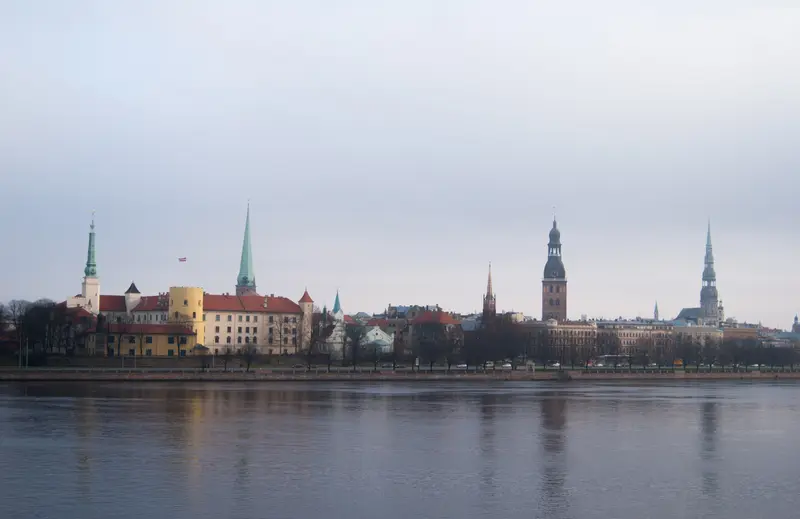
Close the trip on the water. Walk to the Daugava riverfront for wide skies and the Old Town spires behind you, or take a final canal loop at dusk. In summer the late light makes this the highlight of the whole two days; in winter, go earlier and finish with a warm dinner near your base.
- Central Market for lunch — graze the themed pavilions, don't over-plan.
- One museum maximum, chosen for mood and weather (e.g. the National Museum of Art).
- Finish on the riverfront or canal at dusk — the strongest end to the trip.
Two-day Riga FAQ
Is two days enough for Riga? For a first visit, yes — comfortably. Two days covers the Old Town, the canal park, the Central Market, the Art Nouveau quarter, and a museum, with enough slack to enjoy them rather than rush. Add a third day only if you want a slower neighbourhood day or a half-day trip.
What's the ideal order — Old Town or Art Nouveau first? Old Town first. Day 1 in the medieval core gives you the city's layout and a viewpoint to orient by; Day 2's Art Nouveau and market then feel like going deeper rather than starting over. The canal park stitches the two days together.
Do you need to book anything in advance? Very little. Most of this plan is free walking. If you want a specific museum or the St. Peter's tower at a set time, check the official venue site the day before, since seasonal hours change. A 90-minute transit ticket bought in advance is cheaper than paying onboard if you do use a bus or tram.
Can this two-day plan stretch to a weekend? Yes — it is essentially the weekend plan. Run Day 1 on Saturday and Day 2 on Sunday, and keep one evening deliberately slow: dinner and a walk, nothing else.
Where to stay for an easy two days
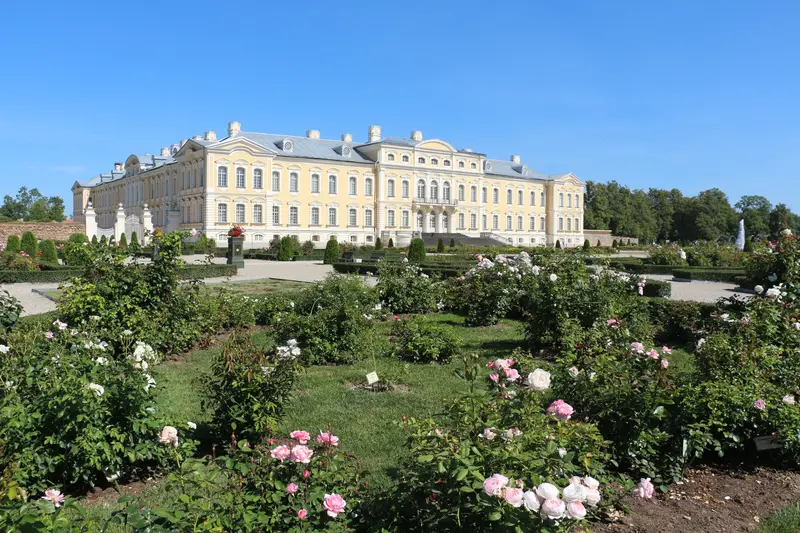
On a two-day trip, your base does a lot of quiet work. Stay in or right beside the Old Town and both days begin and end on foot, with no transport to schedule and no long walk home after dinner. The streets between the Old Town and the canal park are a strong choice: minutes from the medieval core, close to the Art Nouveau quarter, and calmer at night than the busiest central squares.
Think about noise as well as location. The heart of the Old Town is atmospheric but can be lively near the main bar streets after dark, so if early starts matter to you, aim a block or two off the loudest areas. The boulevard ring offers the same walkability with quieter evenings, which suits a plan built on relaxed mornings.
Because almost everything in this itinerary is within walking distance, you won't need much else from your accommodation beyond a good location. Get that right and the two days run themselves; get it wrong and you'll spend time and energy you'd rather give to the city.
- Base in or beside the Old Town to keep both days on foot.
- For quieter nights, stay a block or two off the busiest bar streets.
- The canal-park edge and boulevard ring balance walkability with calm.
Pacing, weather, and small upgrades
Two days is enough to make Riga feel personal if you protect the pace. Keep one big anchor per half-day and resist stacking extra sights on top — the canal-park reset on Day 1 and the market graze on Day 2 are deliberately low-effort so the trip never tips into a march. The best photos and the best memories tend to come from the unhurried in-between moments, not the headline stops.
Let the weather shape the timing rather than the plan. In summer's long northern light, push the evenings later — a post-dinner walk along the canal or riverfront is the highlight. In winter, do the outdoor highlights and the St. Peter's tower earlier while there's daylight, and lean on the heated market halls, a café, or a museum as warm midday anchors. Good footwear matters on icy cobbles.
A few small upgrades lift the two days noticeably: make one evening deliberately slow (dinner and a walk, nothing else), use a single market visit to simplify a whole day's food decisions, and keep one afternoon intentionally light. None of these add cost or logistics — they just give the trip room to breathe.
- One big anchor per half-day; keep the in-between moments loose.
- Summer: push evenings later for the long light. Winter: front-load outdoor stops.
- Make one evening slow, use the market to simplify food, keep an afternoon light.
Two-day variations for different interests
The classic split — classic Riga then architecture and food — suits most first visits, but it bends to your interests. If architecture is your priority, give the Art Nouveau quarter a full morning and add the Riga Art Nouveau Museum, then trim the second day's museum stop. If history and culture pull harder, build one day around the Old Town and a single strong museum near the canal park, and keep the other for the market, the boulevards, and a riverfront finish.
For a couples' two days, lean both evenings toward atmosphere: a long café break each afternoon and a dusk walk along the canal or river as the centrepiece, with dinner kept close to your base. For travellers with children, shorten the daily legs, make the Central Market a fun grazing stop, and use the open riverfront and canal park as low-stress places to let kids move.
Whatever the variation, hold the underlying shape — one relaxed anchor per half-day, the market as a food simplifier, and a slow waterside evening. That structure is what keeps two days feeling restful rather than rushed, and it leaves room for the unplanned half-hour that usually becomes the trip's best memory.
- Architecture-led: a full Art Nouveau morning plus the museum, lighter on day-two museums.
- History-led: one Old Town-and-museum day, one market-and-riverfront day.
- Couples and families: lean on cafés, the riverfront, and the canal park.
Stretching two days into a long weekend
If you have an extra morning — a late Sunday flight, or a Monday departure — you can add a gentle third half-day without changing the core plan. The most characterful option is to cross the river to a local-feel neighbourhood like Āgenskalns for an everyday, residential side of the city: wooden houses, a neighbourhood market, and quiet streets that feel a world away from the Old Town crowds.
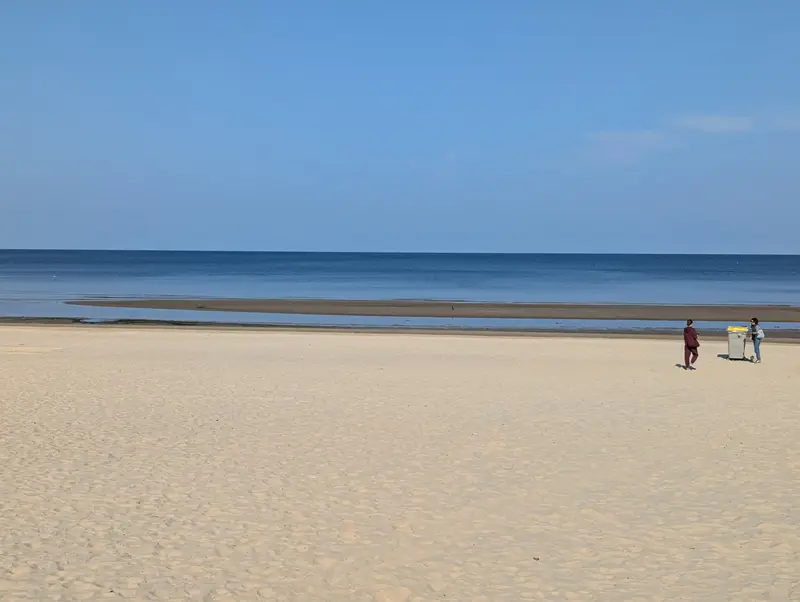
Alternatively, use the extra time on a short escape. Jūrmala, the seaside resort strip, is a frequent and inexpensive train ride away and makes an easy contrast morning of beach air and pine forest. Keep it light, though — the point of stretching two days is to add a change of pace, not a third full sightseeing day.
Either way, plan the addition so you're back in the centre for a relaxed final meal and an unhurried departure. The strength of a Riga short break is that it never has to feel rushed, even when you squeeze a little more out of it.
A quick checklist for the two days
A short pre-trip checklist keeps a two-day plan smooth. Confirm your base is in or beside the Old Town so both days run on foot, check the weather and daylight for each day, and verify the opening hours of any museum or the St. Peter's tower you mean to visit, since they vary by season. Carry a card for almost everything plus a little cash for markets and tips, and bring layers you can shed indoors and shoes that handle cobbles.
Then hold the plan lightly: classic Riga on day one, architecture and food on day two, with one slow evening and a waterside finish. Two days is generous enough to leave a flexible slot each day, so drop a stop without guilt if the city is already treating you well.
- Base near the Old Town; check weather, daylight, and any timed opening hours.
- Card for almost everything, a little cash for markets and tips.
- Layers and comfortable shoes for the cobbles.
- Day one classic, day two architecture and food — keep a flexible slot each day.
 Location
Riga Central Market
The city’s big market halls — a high-value food stop and a great way to understand everyday Riga fast.
Nearby (walkable)
- Spīķeri
- St. Peter’s Church
- Bremen Town Musicians
- House of the Black Heads
- Latvian Academy of Sciences
- Latvian National Opera
Map pins
Map data © OpenStreetMap contributors · Tiles © OpenFreeMap
 Location
House of the Black Heads
A classic Old Town landmark on Town Hall Square — easy to pair with an evening walk in Vecrīga.
Nearby (walkable)
- St. Peter’s Church
- Riga Cathedral
- Bremen Town Musicians
- Līvu Square
- The Three Brothers
- Cat House (Kaķu nams)
Map pins
Map data © OpenStreetMap contributors · Tiles © OpenFreeMap
 Location
Alberta iela (Art Nouveau)
Riga’s most famous Art Nouveau street — best early for quieter photos and details.
Nearby (walkable)
- Riga Art Nouveau Museum
- Latvian National Museum of Art
- Kronvalda Park
- Esplanāde Park
- Bastejkalna Park
- Freedom Monument
Map pins
Map data © OpenStreetMap contributors · Tiles © OpenFreeMap
 Location
Freedom Monument
The symbolic heart of Riga — a natural meeting point for a city-center walking route.
Nearby (walkable)
- Bastejkalna Park
- Latvian National Opera
- Esplanāde Park
- Līvu Square
- Cat House (Kaķu nams)
- Swedish Gate
Map pins
Map data © OpenStreetMap contributors · Tiles © OpenFreeMap
 Location
St. Peter’s Church
Old Town icon with one of the best viewpoints over Riga’s rooftops.
Nearby (walkable)
- Bremen Town Musicians
- House of the Black Heads
- Līvu Square
- Cat House (Kaķu nams)
- Riga Cathedral
- Latvian National Opera
Map pins
Map data © OpenStreetMap contributors · Tiles © OpenFreeMap
Location
Riga Cathedral
A calm Old Town stop — easy to pair with a slow lane-wandering loop.
Nearby (walkable)
- The Three Brothers
- House of the Black Heads
- Cat House (Kaķu nams)
- Līvu Square
- Swedish Gate
- Riga Castle
Map pins
Map data © OpenStreetMap contributors · Tiles © OpenFreeMap
Location
The Three Brothers
A photogenic Old Town corner: historic houses and classic Riga texture.
Nearby (walkable)
- Riga Cathedral
- Swedish Gate
- Riga Castle
- Cat House (Kaķu nams)
- Līvu Square
- House of the Black Heads
Map pins
Map data © OpenStreetMap contributors · Tiles © OpenFreeMap
 Location
Swedish Gate
A small Old Town landmark that fits perfectly into a wandering route.
Nearby (walkable)
- The Three Brothers
- Cat House (Kaķu nams)
- Līvu Square
- Riga Cathedral
- Bastejkalna Park
- Riga Castle
Map pins
Map data © OpenStreetMap contributors · Tiles © OpenFreeMap
 Location
Riga Art Nouveau Museum
A small, high-impact stop if you love interior details and design history.
Nearby (walkable)
- Alberta iela (Art Nouveau)
- Kronvalda Park
- Latvian National Museum of Art
- Esplanāde Park
- Bastejkalna Park
- Swedish Gate
Map pins
Map data © OpenStreetMap contributors · Tiles © OpenFreeMap
Location
Latvian National Museum of Art
A solid museum anchor for a slower afternoon (especially in winter).
Nearby (walkable)
- Esplanāde Park
- Alberta iela (Art Nouveau)
- Freedom Monument
- Bastejkalna Park
- Riga Art Nouveau Museum
- Kronvalda Park
Map pins
Map data © OpenStreetMap contributors · Tiles © OpenFreeMap
Location
Latvian National Opera
A classic evening anchor if you want one ‘special’ night in Riga.
Nearby (walkable)
- Freedom Monument
- Bastejkalna Park
- Līvu Square
- Bremen Town Musicians
- Cat House (Kaķu nams)
- St. Peter’s Church
Map pins
Map data © OpenStreetMap contributors · Tiles © OpenFreeMap
 Location
Bastejkalna Park
A gentle green corridor between the center and Old Town — ideal for a reset walk.
Nearby (walkable)
- Freedom Monument
- Līvu Square
- Cat House (Kaķu nams)
- Swedish Gate
- Latvian National Opera
- Esplanāde Park
Map pins
Map data © OpenStreetMap contributors · Tiles © OpenFreeMap
Location
Jūrmala
The classic easy day trip for beach air and a different pace from the city.
Map pins
Map data © OpenStreetMap contributors · Tiles © OpenFreeMap