 At a glance
- Best for: a mood shift — more horizon, less lane density.
- Works well on a longer trip as a ‘reset’ afternoon.
- Pair it with: a calm evening plan back near your base.
 Quick facts
- Cost
- Free — this is an open-air walk.
- Time needed
- A short 30–60 minute walk; keep it light.
- Getting there
- On the Daugava waterfront north of the centre; walkable or a short taxi/transit hop.
- Best time
- Late afternoon, for open horizon and softer light.
- Best for
- A mood shift toward space and air, on a longer trip.




What to expect (quick context)
Andrejsala is a former port and industrial area on the Daugava waterfront, north of the city centre. Once part of Riga's working harbour, it has a post-industrial, open-horizon character — wide skies, water, and old port structures rather than dense historic lanes.
It's an area in slow transition, so don't expect a polished tourist quarter. The appeal is exactly the opposite: space, air, and a different angle on the river. Treat it as a quiet walk, not a list of sights.
- Character: post-industrial harbour-side, open and spacious.
- Setting: on the Daugava, a short distance north of the centre.
- Best as: a calm 'fresh air' interval, not a full-day plan.
How to do it well (keep it simple)
Andrejsala is best when it stays light. Don’t over-plan it — treat it as a short walk for space and air, then head back to the center for dinner.
Map pins
Map data © OpenStreetMap contributors · Tiles © OpenFreeMap
- Good for: late afternoon.
- Keep it: short and calm.
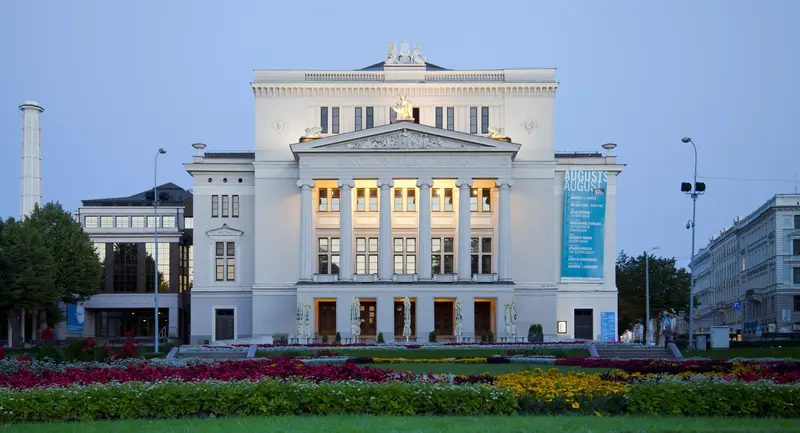
From working harbour to in-between place
Andrejsala is a small peninsula jutting into the Daugava just north of the city centre, part of the wider Pētersala–Andrejsala area. Its story is tied to Riga’s life as a port: it served the city’s trading and shipping for generations, and during the Soviet period it filled up with heavy port and industrial facilities. Many of those utilitarian structures — quays, sheds, cranes — are still scattered across the site, which is what gives the place its raw, open, post-industrial character.
For years now Andrejsala has been an area in slow transition rather than a finished district. Plans to redevelop the waterfront have come and gone, and large schemes are periodically announced, so what you find on the ground can change. Go expecting an unpolished, between-eras place — wide skies, water and old port bones — rather than a tidy tourist quarter. That in-between quality is precisely the appeal for the right kind of visitor.
- A former port-and-industry peninsula on the Daugava, north of the centre.
- Soviet-era port facilities and old quays still mark the landscape.
- An area in long, on-and-off redevelopment — expect change, not polish.
Sources
- Andrejsala (overview) ↗
Background on the peninsula’s port history.
What to expect on the ground
This is a walk for atmosphere, not a list of sights. The reward is space and horizon: open water, a wide sky, working and former port structures, and the occasional yacht mooring, waterfront eatery or piece of street art that has grown up among the old industry. After the dense lanes of the Old Town, simply standing by the river with room to breathe is the point.
Keep your expectations honest. Some corners are scruffy or fenced off, opening hours of any café here can be erratic, and the mix of buildings can change between visits. Don’t plan a precise route — just wander the accessible waterfront edges, take in the river, and head back when you’ve had your fill of air.
- The draw: open river, big skies, raw port texture — space over sights.
- You may find: yacht moorings, a waterfront café, scattered street art.
- Reality check: some areas are scruffy or closed off; keep it loose.
Getting there and doing it well
Andrejsala sits on the waterfront a short distance north of the centre. It is walkable if you enjoy a longer riverside stretch, or a quick taxi/ride-hail hop; Rīgas Satiksme buses and trolleybuses also serve the Pētersala area nearby, leaving a short walk to the water. Because the area is industrial and in flux, it is not as obviously signposted as the Old Town, so a maps app helps.
Treat it as a short, late-afternoon interval — 30 to 60 minutes is plenty — and keep the rest of your day anchored back near your base. The light is best toward the end of the day, when the low sun comes off the water and softens all that concrete and steel.
- Walkable along the river, or a short taxi/ride-hail; nearby buses serve Pētersala.
- Bring a maps app — the industrial area isn’t heavily signposted.
- Best late afternoon; keep it to 30–60 minutes.
Sources
- Rīgas Satiksme ↗
Official Riga public-transport routes and tickets.
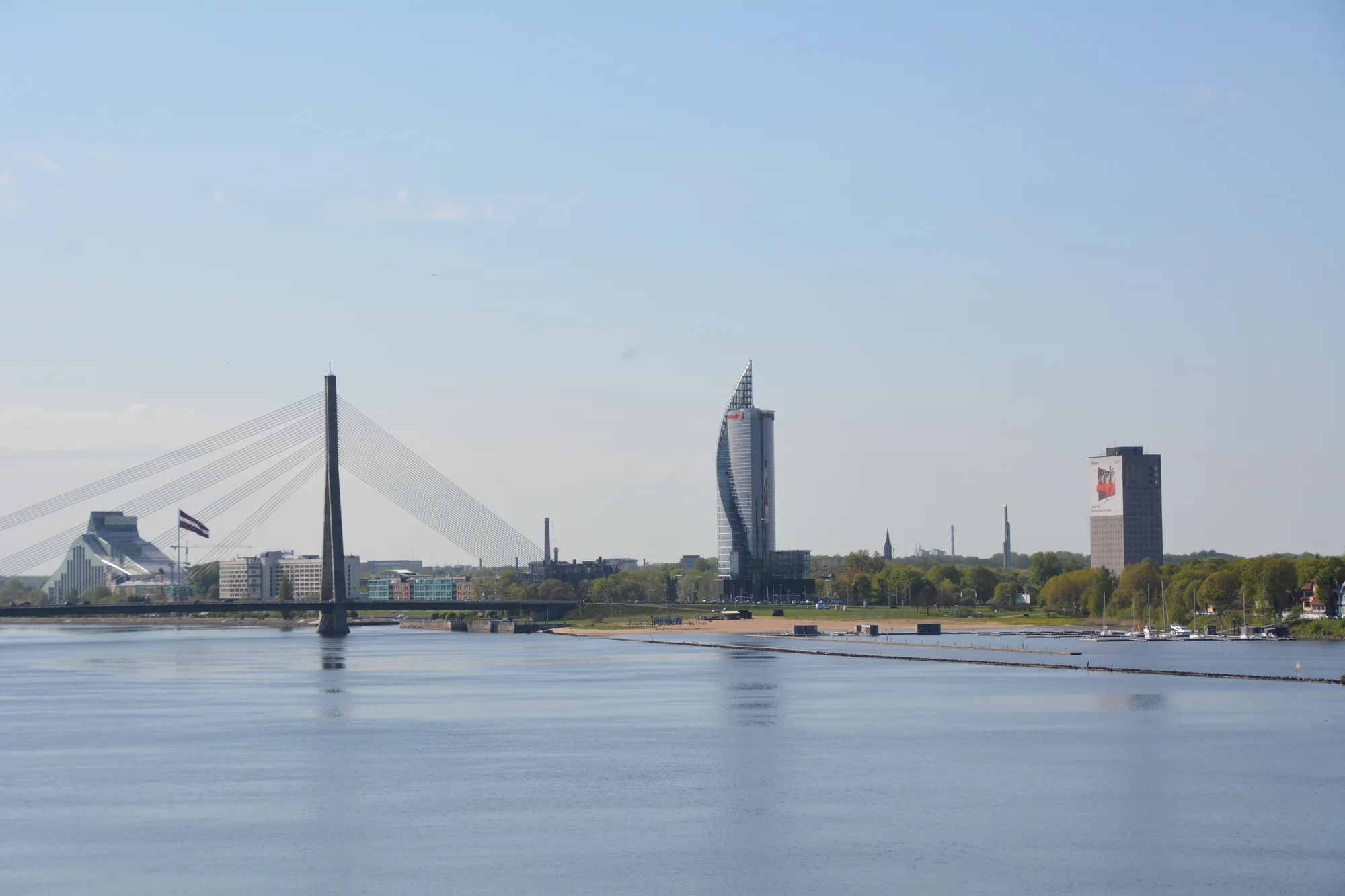
Who Andrejsala is for
Andrejsala suits curious travellers on a longer trip who like post-industrial spaces, urban-exploration moods and open water — and who don’t need a neat attraction to feel a walk was worthwhile. It is the opposite of a must-see: a deliberate change of mood for people who have already done the headline sights and want air and a different angle on the city. If you have only a day or two in Riga, skip it without hesitation.
- Best for: longer-trip travellers who like raw, open, in-transition places.
- Not for: first-timers on a tight schedule — do the classics first.
- Use it as: a calm fresh-air interval before a relaxed evening.
Is Andrejsala worth visiting?
Only for the right person. It has no headline sight — its value is the open river, the space and the raw port atmosphere. If that appeals and you have spare time on a longer trip, it’s a rewarding short detour. If you want polished streets, museums or guaranteed cafés, your time is better spent in the Old Town, Centrs or Āgenskalns.
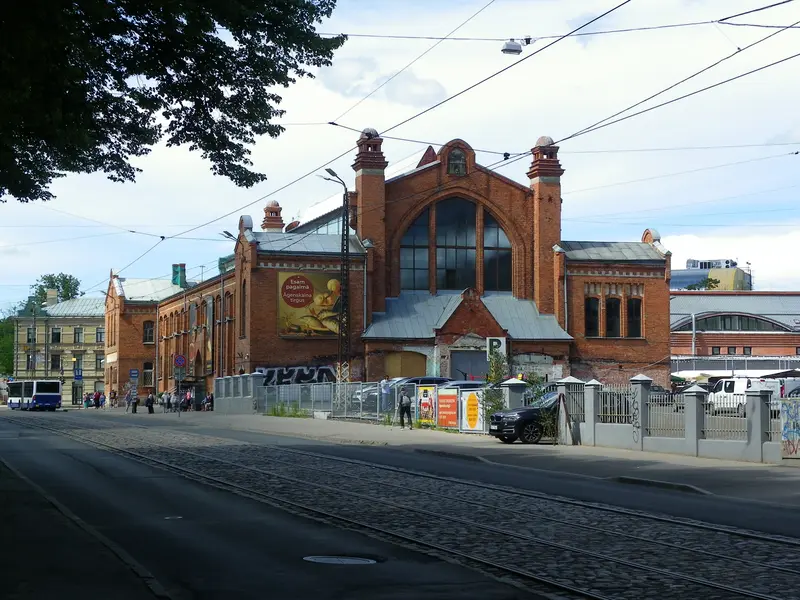
Is Andrejsala safe to walk around?
It is a quiet, low-traffic part of a generally safe city, but it is also an industrial area in transition, so use normal common sense: stick to accessible waterfront paths, mind uneven ground and any fenced-off works, and go in daylight, ideally in the afternoon. There is little reason to be there after dark, when it can feel deserted.
How Andrejsala fits Riga’s wider waterfront
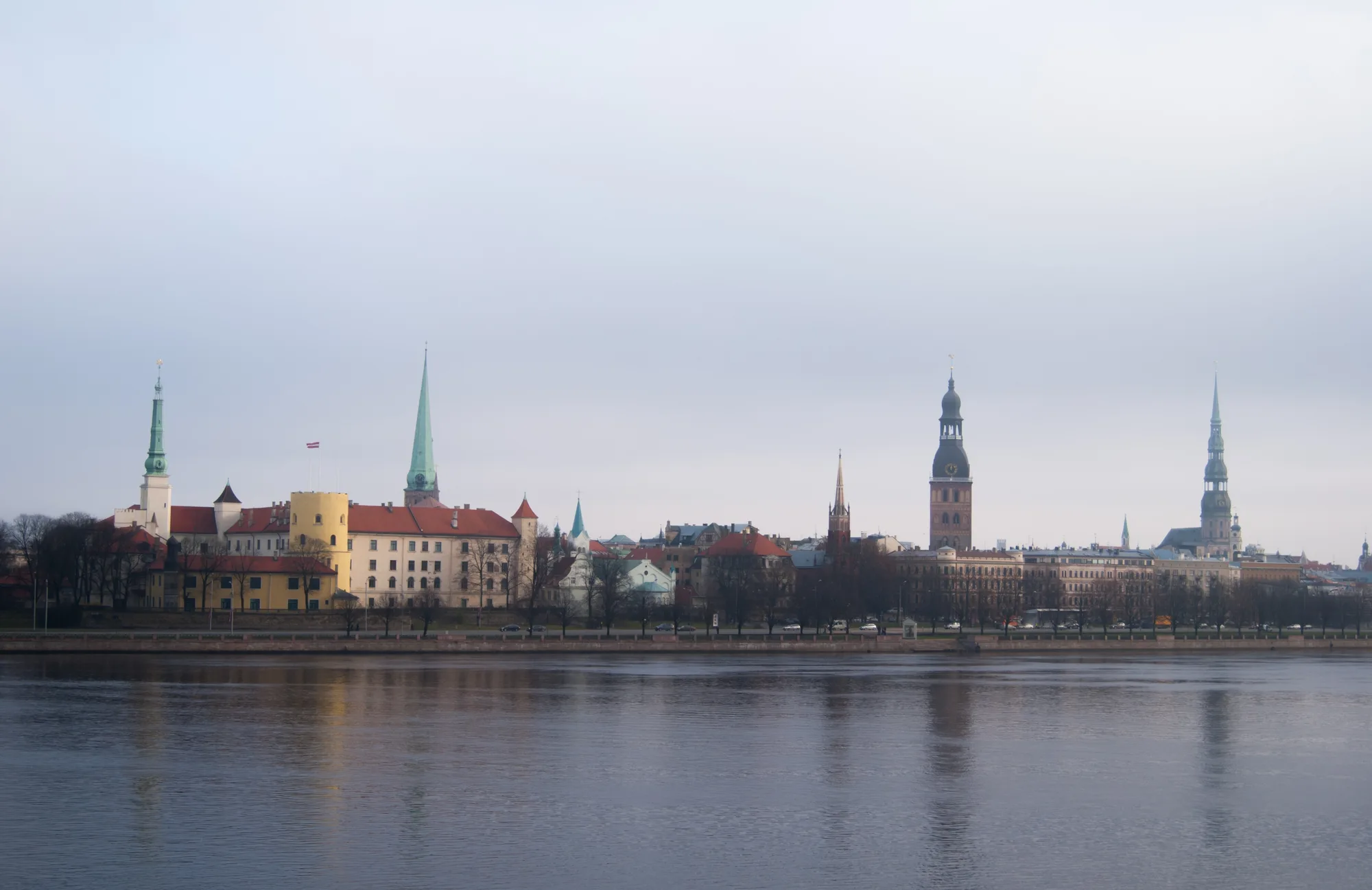
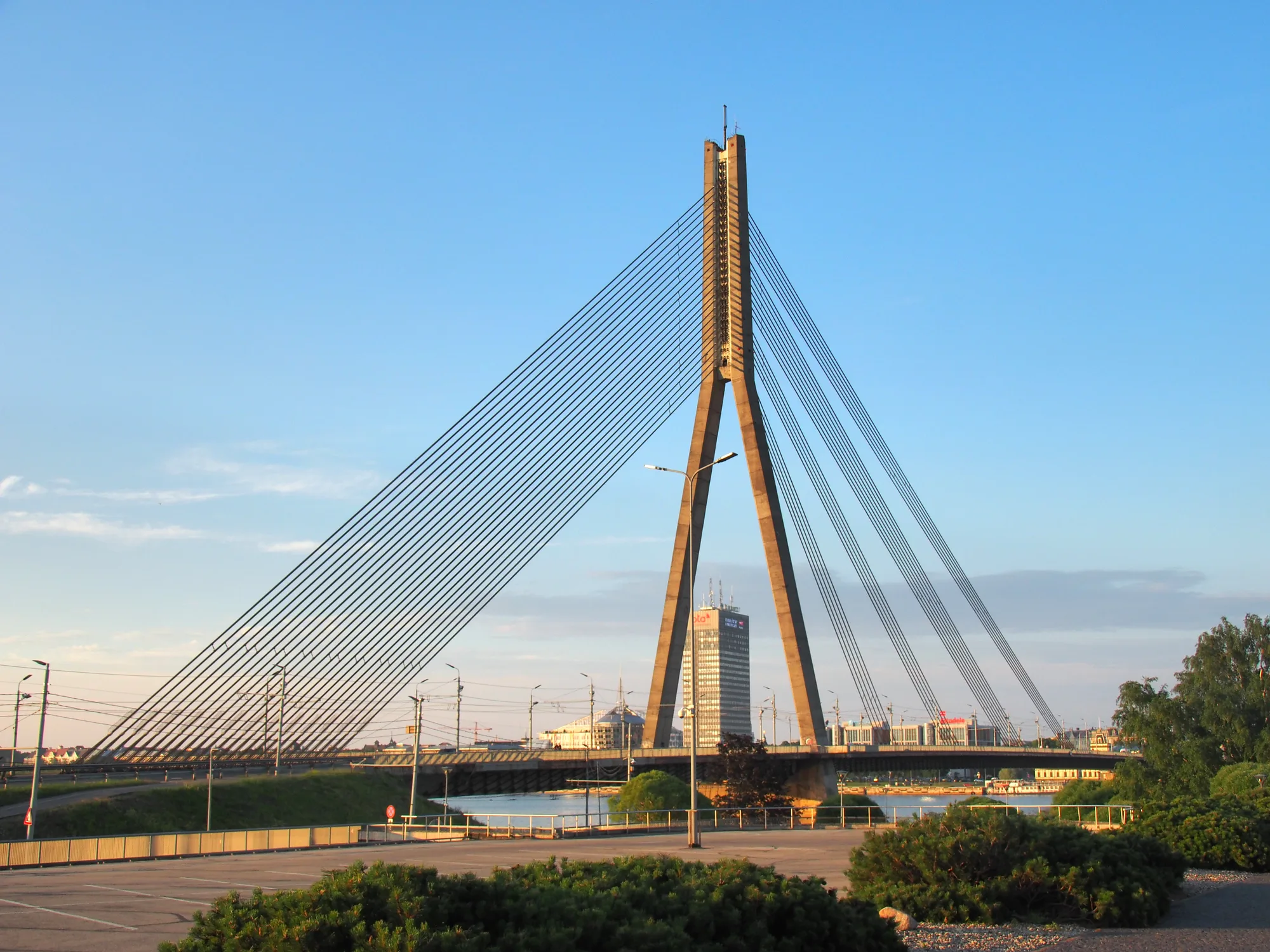
It helps to see Andrejsala as one piece of Riga’s long, varied Daugava waterfront rather than a standalone sight. Downriver toward the Old Town you have the polished centre and the Vanšu Bridge across to Ķīpsala; upstream and inland are the working port areas. Andrejsala is the raw, in-between link — the stretch where the city is still deciding what it wants to be. Visiting it is partly about reading that transition for yourself.
That framing also sets expectations. Because the area is mid-redevelopment, individual cafés, art spaces or access points may appear and disappear between trips, and big plans are announced and revised over the years. Keep your visit loose, check anything specific is still running before you rely on it, and enjoy it for the river and the space rather than for a fixed itinerary.
- Think of it as one raw link in Riga’s broader Daugava waterfront.
- Cafés and access points can change as redevelopment proceeds.
- Check any specific spot is still there before relying on it; go for river and space.