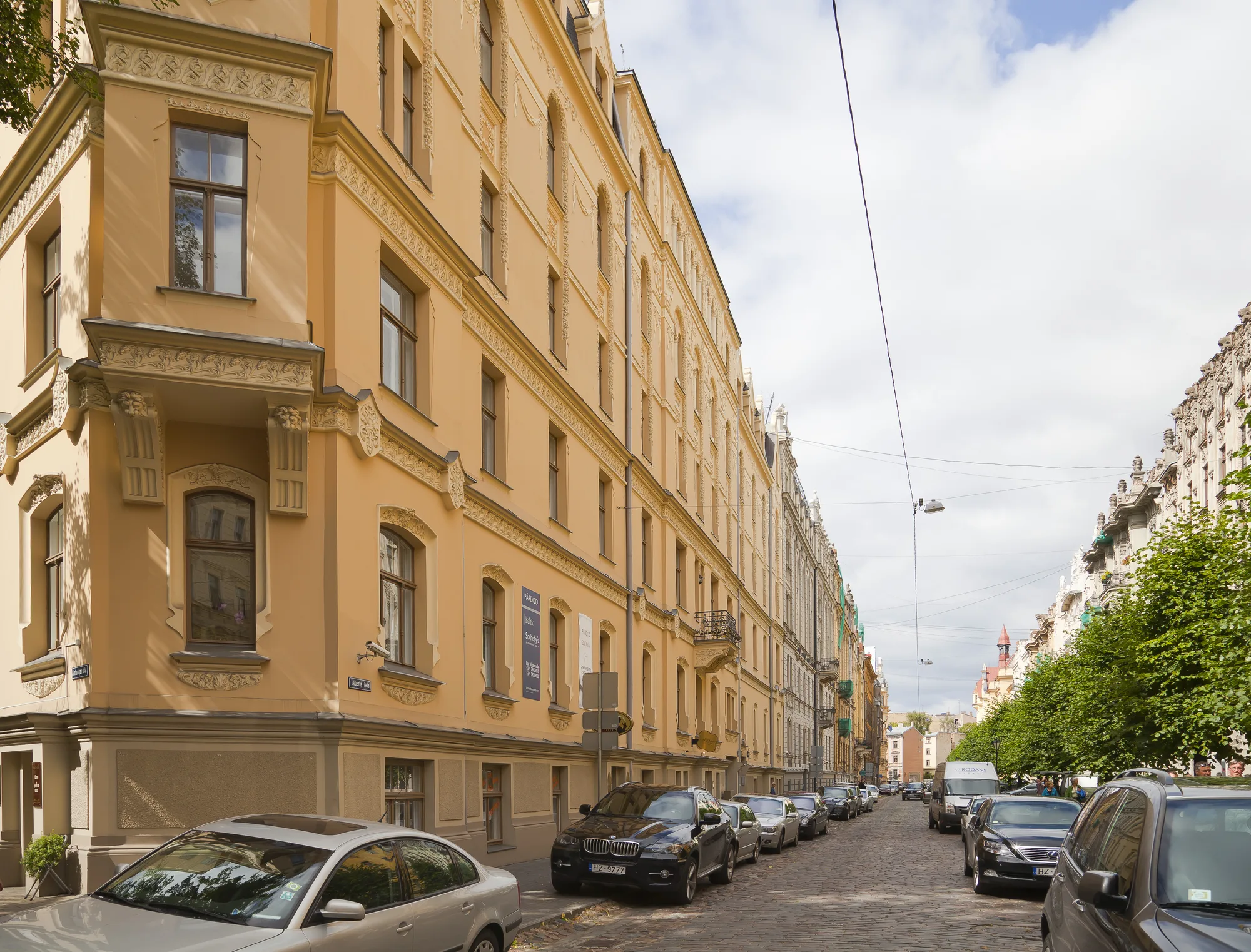

 At a glance
- Best for: parks/canal walks + museums + an easy ‘reset day’.
- Pair Centrs with: an Art Nouveau stroll (short distance, big contrast).
- Great for winter pacing: warm stops + shorter outdoor loops.
 Quick facts
- Getting there
- Centrs wraps around the Old Town; walk in or take a short tram hop.
- Best time
- Pairs well with an Art Nouveau morning; good for winter pacing.
- Best for
- A spacious 'reset day' of boulevards, parks and museums.
- Good to know
- Home to the Freedom Monument, the canal parks and major museums.




A simple Centrs plan (map)
Centrs is the easiest way to make Riga feel more spacious. Use parks and boulevards as your route, then add one museum or café stop as an anchor.
Map pins
Map data © OpenStreetMap contributors · Tiles © OpenFreeMap
- Best rhythm: museum → canal walk → café.
- Keep the loop short and pleasant.
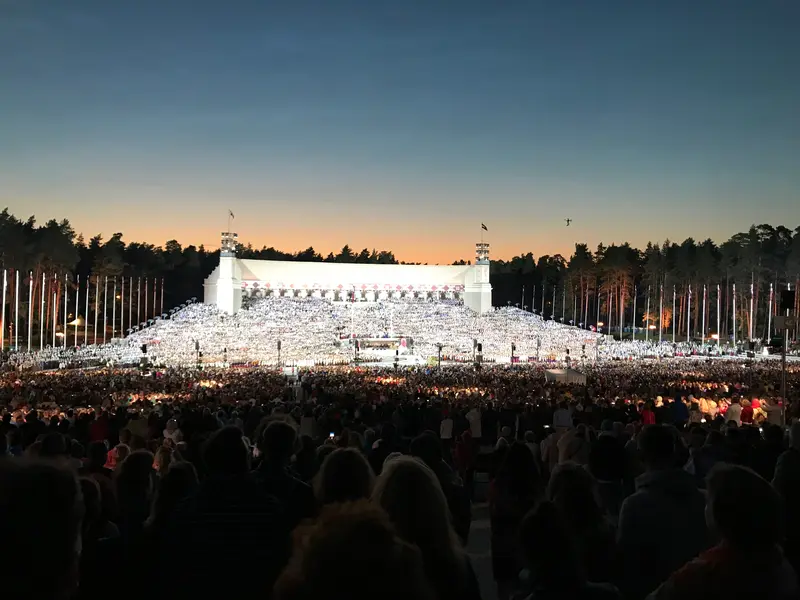
What Centrs actually is (a quick orientation)
On a Riga map, “Centrs” is the broad city-centre district that wraps around the medieval Old Town on its landward side. When the city outgrew its defensive walls in the mid-19th century, the old ramparts were levelled and the moat was reshaped into the curving Pilsētas kanāls (city canal). In their place came a ring of tree-lined boulevards, green parks and tall stone apartment blocks — the spacious, planned Riga that locals simply call the centre.
That history is why Centrs feels so different from the Old Town just a few minutes’ walk away. Instead of narrow cobbled lanes, you get wide streets, generous sightlines and a steady rhythm of cafés, shops, theatres and museums. It is the part of the city where Rigans actually live, work and run errands, so it reads as a real place rather than a postcard.
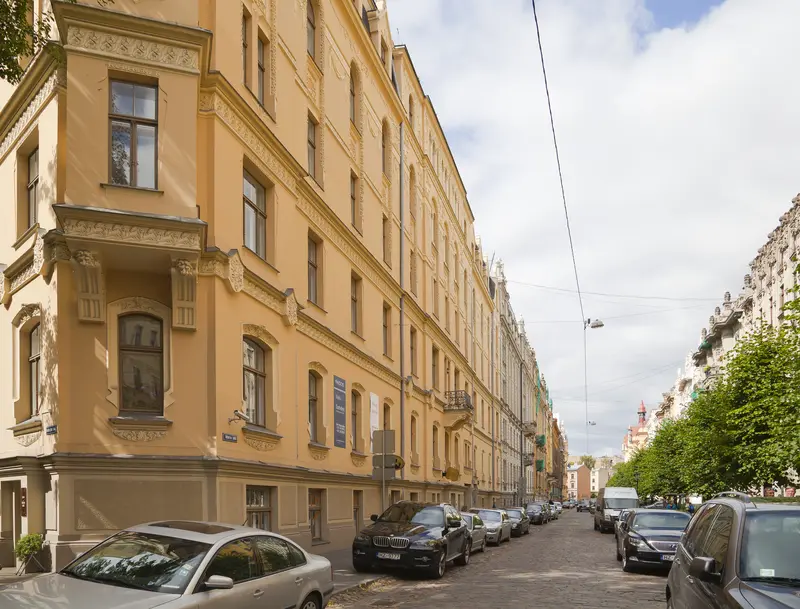
The greener, leafier blocks north of Elizabetes iela are often nicknamed the “Quiet Centre” (Klusais centrs) — the same district that holds the famous Art Nouveau streets. So a Centrs day and an Art Nouveau day naturally overlap; you can stitch them together without backtracking.
- Centrs = the boulevards-and-parks ring around the Old Town, built from the mid-1800s on.
- The city canal traces the line of Riga’s former defensive moat.
- The leafy “Quiet Centre” north of Elizabetes iela holds the Art Nouveau streets.
Sources
- LiveRiga: Freedom Monument ↗
Context for the monument and the boulevard ring.
What to see and do in Centrs
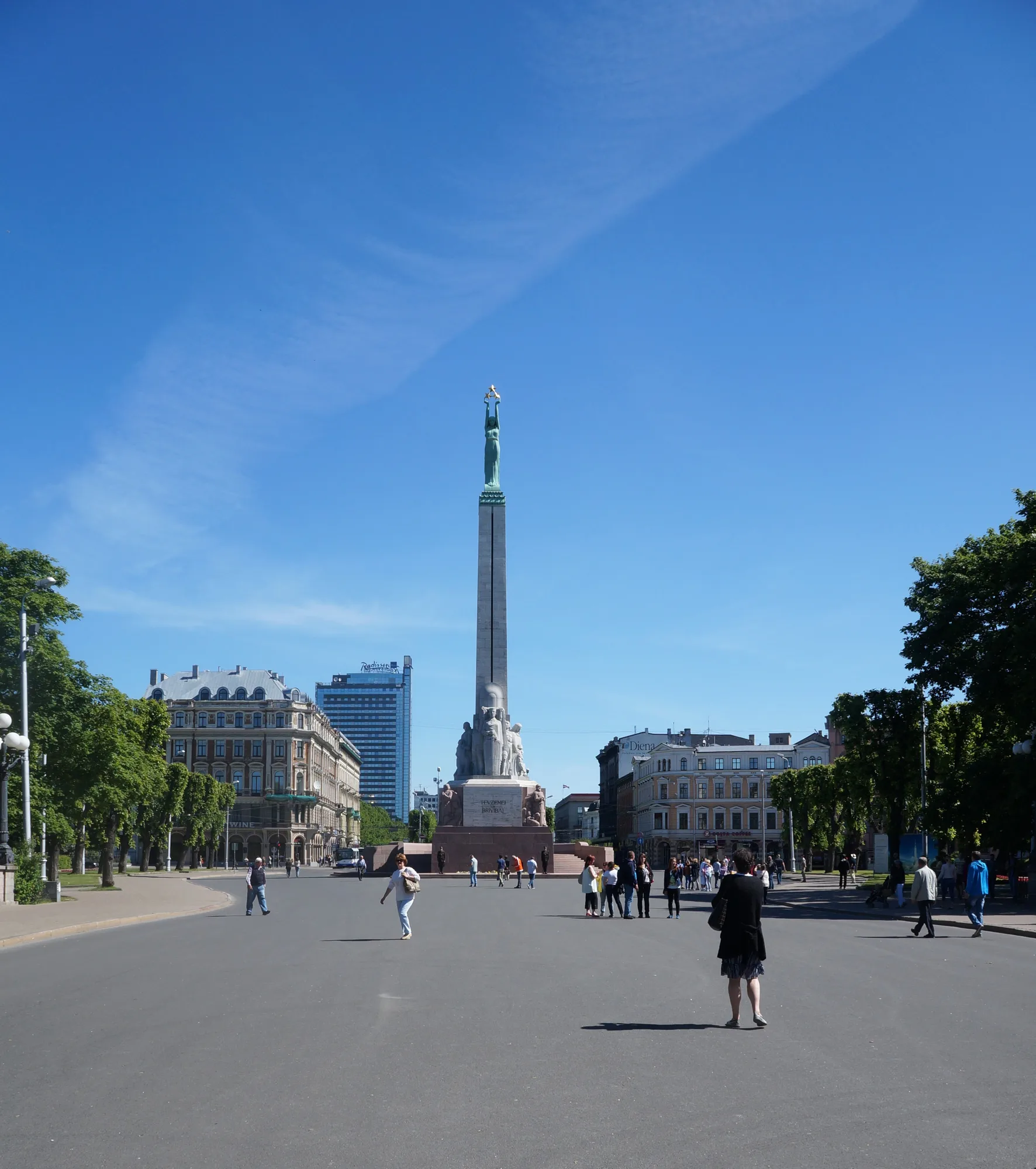
The natural centrepiece is the Freedom Monument (Brīvības piemineklis), unveiled in 1935 and sculpted by Kārlis Zāle. The roughly 42-metre column is topped by a copper figure Latvians call Milda, who holds three gold stars for the historic regions of Vidzeme, Kurzeme and Latgale. It stands right on the seam between the Old Town and the boulevards, with an honour guard and a steady stream of locals laying flowers — a good reminder that this is a working national symbol, not just a sight.
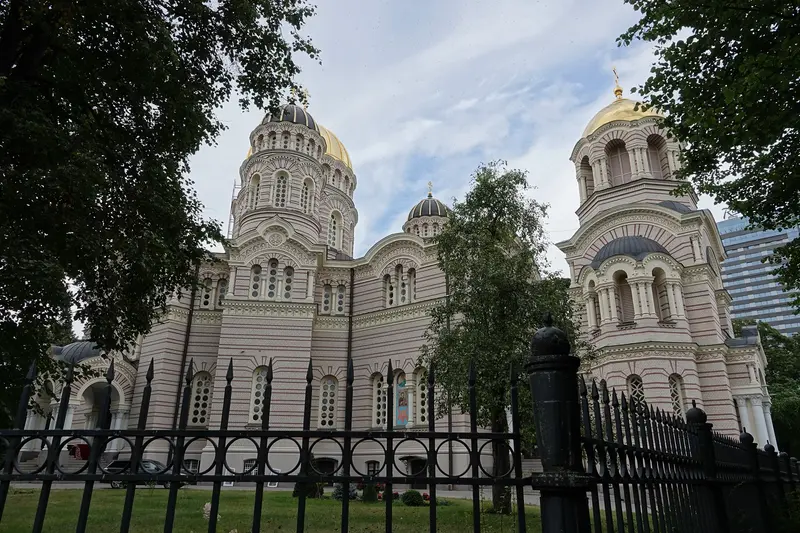
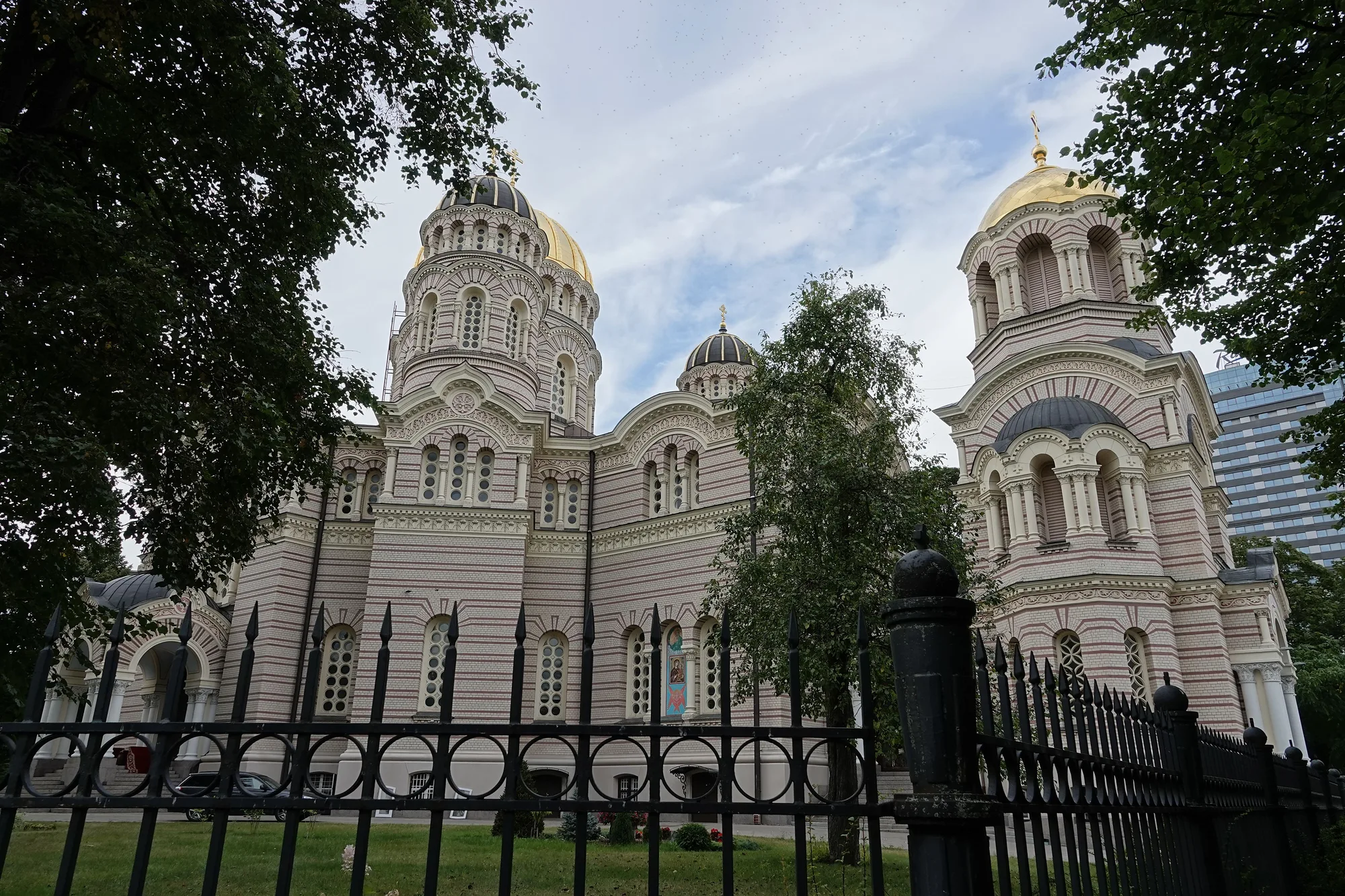
From there the canal parks make an easy, flat loop. Bastejkalna Park sits at the foot of the old bastion mound, with little bridges, benches and (in season) a small boat that drifts along the canal. Follow the water and you reach the Esplanāde, an open green square framed by three heavyweight stops: the gold-domed Nativity of Christ Orthodox Cathedral, the Latvian National Museum of Art, and the Art Academy. A short walk south brings you to Vērmanes Garden (Vērmanes dārzs), one of the city’s oldest public parks, laid out in the early 19th century and good for a coffee-and-people-watching pause.
If you want one indoor anchor, choose by mood: the Latvian National Museum of Art for paintings in a grand setting, or one of the centre’s other museums if history suits you better. The point of a Centrs day is not to tick boxes — it is to use the parks and boulevards as the route and let one stop give the afternoon some shape.
- Freedom Monument: 1935, sculptor Kārlis Zāle; “Milda” holds three stars for Latvia’s regions.
- Bastejkalna Park + the city canal: the easiest calm loop in the city.
- Esplanāde: Nativity Cathedral, the National Museum of Art and the Art Academy together.
- Vērmanes Garden: an early-1800s park for a relaxed reset.
Sources
- LiveRiga: Freedom Monument ↗
Official overview (history, symbolism).
Getting around Centrs
You almost certainly do not need transport inside Centrs — it is flat and very walkable, and most visitors stay within a short stroll of the Freedom Monument. The district is also where Riga’s tram, trolleybus and bus lines converge, all run by the city operator Rīgas Satiksme, so it is the easiest place to pick up onward transit toward Mežaparks, Āgenskalns or the suburbs. Buy a Rīgas Satiksme e-ticket and validate on board, or tap a contactless bank card on many routes.
Centrs is the obvious base for a first trip: you wake up between the Old Town and the boulevards, with the station, the Central Market and the canal parks all within walking distance.
- Walkable end to end; the canal loop is flat and stroller-friendly.
- Trams, trolleybuses and buses (Rīgas Satiksme) all pass through the centre.
- A natural place to stay for first-timers — everything radiates from here.
Sources
- Rīgas Satiksme ↗
Official Riga public-transport routes and tickets.
Who Centrs is for (and when to go)
Centrs is the “reset day” of a Riga trip. If the Old Town has started to feel compressed or crowded, an afternoon of boulevards, canal parks and one calm museum restores the sense of space. It is also the most weather-flexible district: there is always a museum, a grand café or a covered arcade nearby when the Baltic weather turns.
Couples tend to like the canal-and-park rhythm in the late afternoon; families appreciate the flat, green loops; and anyone travelling in winter will find Centrs the most forgiving district to pace, with short outdoor stretches between warm indoor stops. There is no single ‘best’ time — but golden hour along the canal is hard to beat in any season.
- Best for: a spacious reset day, museum lovers, and winter pacing.
- Couples: late-afternoon canal walk, then a grand café.
- Families: flat, green, stroller-friendly loops with easy bailout points.
Is Centrs the same as the Old Town?
No. The Old Town (Vecrīga) is the small medieval core of cobbled lanes and churches on the river side. Centrs is the larger 19th- and early-20th-century city that wraps around it — boulevards, parks, apartment blocks, theatres and museums. They sit right next to each other and you cross between them in minutes, but they feel quite distinct: one is dense and historic, the other is spacious and lived-in.
How much time should I give Centrs?
A half-day is plenty for the core: the Freedom Monument, a canal-park loop through Bastejkalna and the Esplanāde, and one museum or café. If you fold in the adjacent Art Nouveau streets (they are part of the same Quiet Centre), it comfortably fills a relaxed full day without any rushing.
Do I need to pay to enjoy Centrs?
Not really. The boulevards, the Freedom Monument, the canal and all the parks are free and open. The only costs are optional — museum admission, a coffee, or a boat trip on the canal in season. It is one of the easier districts to enjoy on a tight budget while still feeling like you are doing something.
 Location
Riga Central Market
The city’s big market halls — a high-value food stop and a great way to understand everyday Riga fast.
Nearby (walkable)
- Spīķeri
- St. Peter’s Church
- Bremen Town Musicians
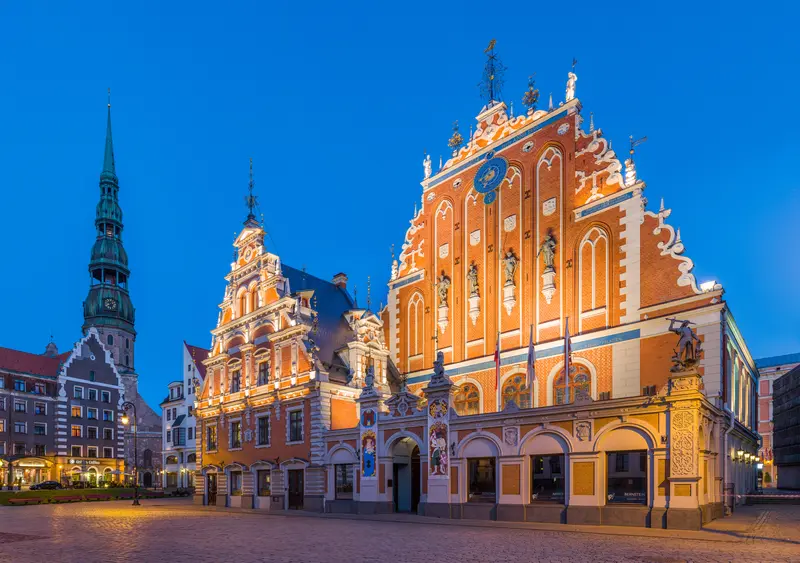
- House of the Black Heads
- Latvian Academy of Sciences
- Latvian National Opera
Map pins
Map data © OpenStreetMap contributors · Tiles © OpenFreeMap
 Location
Alberta iela (Art Nouveau)
Riga’s most famous Art Nouveau street — best early for quieter photos and details.
Nearby (walkable)
- Riga Art Nouveau Museum
- Latvian National Museum of Art
- Kronvalda Park
- Esplanāde Park
- Bastejkalna Park
- Freedom Monument
Map pins
Map data © OpenStreetMap contributors · Tiles © OpenFreeMap
 Location
Mežaparks
Big-park energy when you want air, space, and an easy reset day.
Map pins
Map data © OpenStreetMap contributors · Tiles © OpenFreeMap
