 At a glance
- Best for: a calm reset day (especially after a busy weekend).
- Keep it simple: one walk, one warm drink, then back to the center.
- If the weather is sharp, shorten the outdoor time and treat it as ‘fresh air interval’.
 Quick facts
- Cost
- The park is free; Riga Zoo (within it) charges admission.
- Time needed
- A half-day, or a couple of hours for a forest walk.
- Getting there
- In northern Riga; reachable by tram from the centre.
- Best time
- Late morning or early afternoon; bring a layer in cooler months.
- Best for
- Air, space and a green reset after heavy Old Town walking.




What Mežaparks is (quick context)
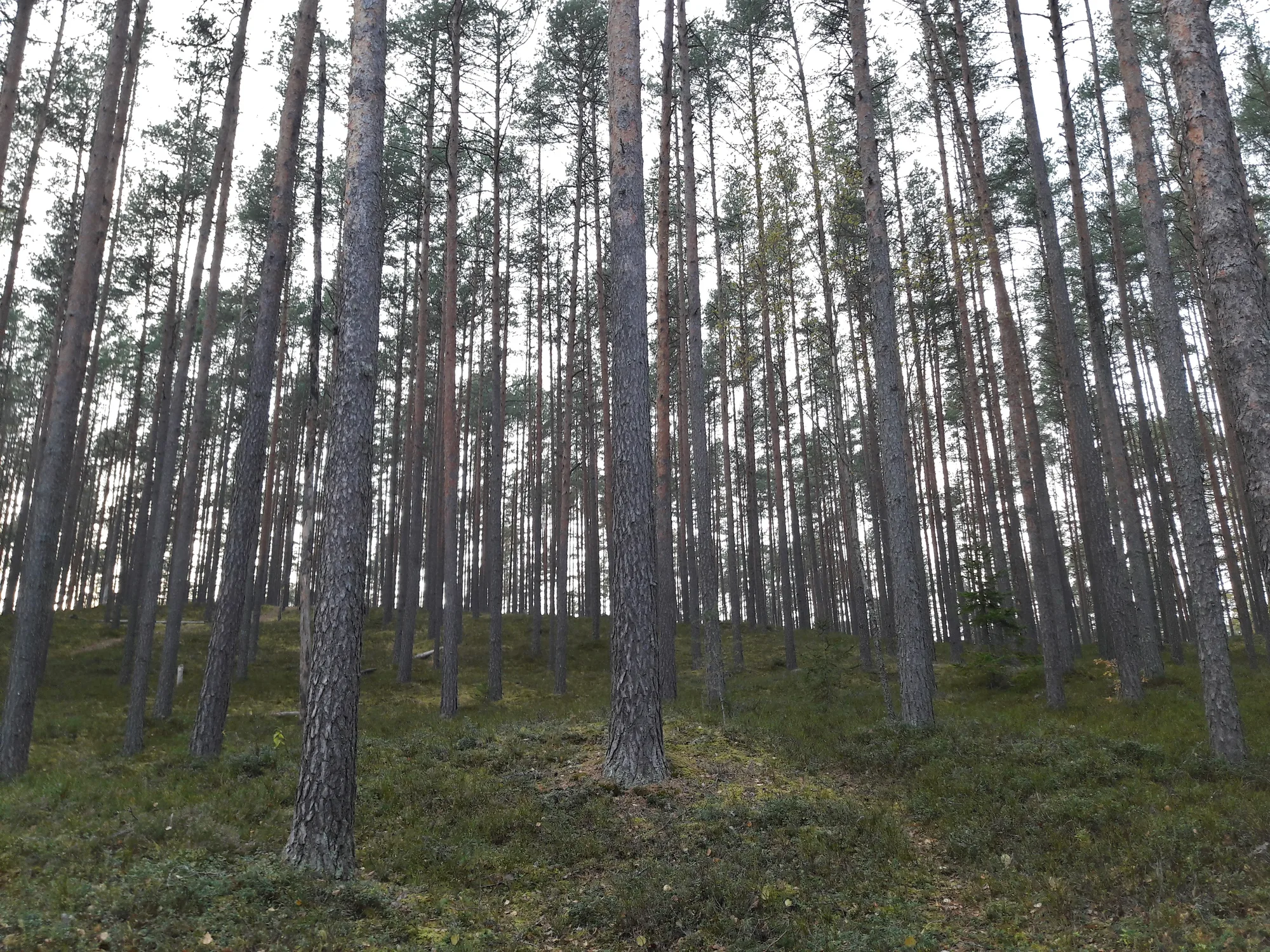
Mežaparks — literally 'Forest Park' — is a large pine-forest park in northern Riga and one of Europe's earliest planned garden suburbs, laid out around the start of the 20th century. It pairs woodland and lakeside paths with elegant early garden-city villas.
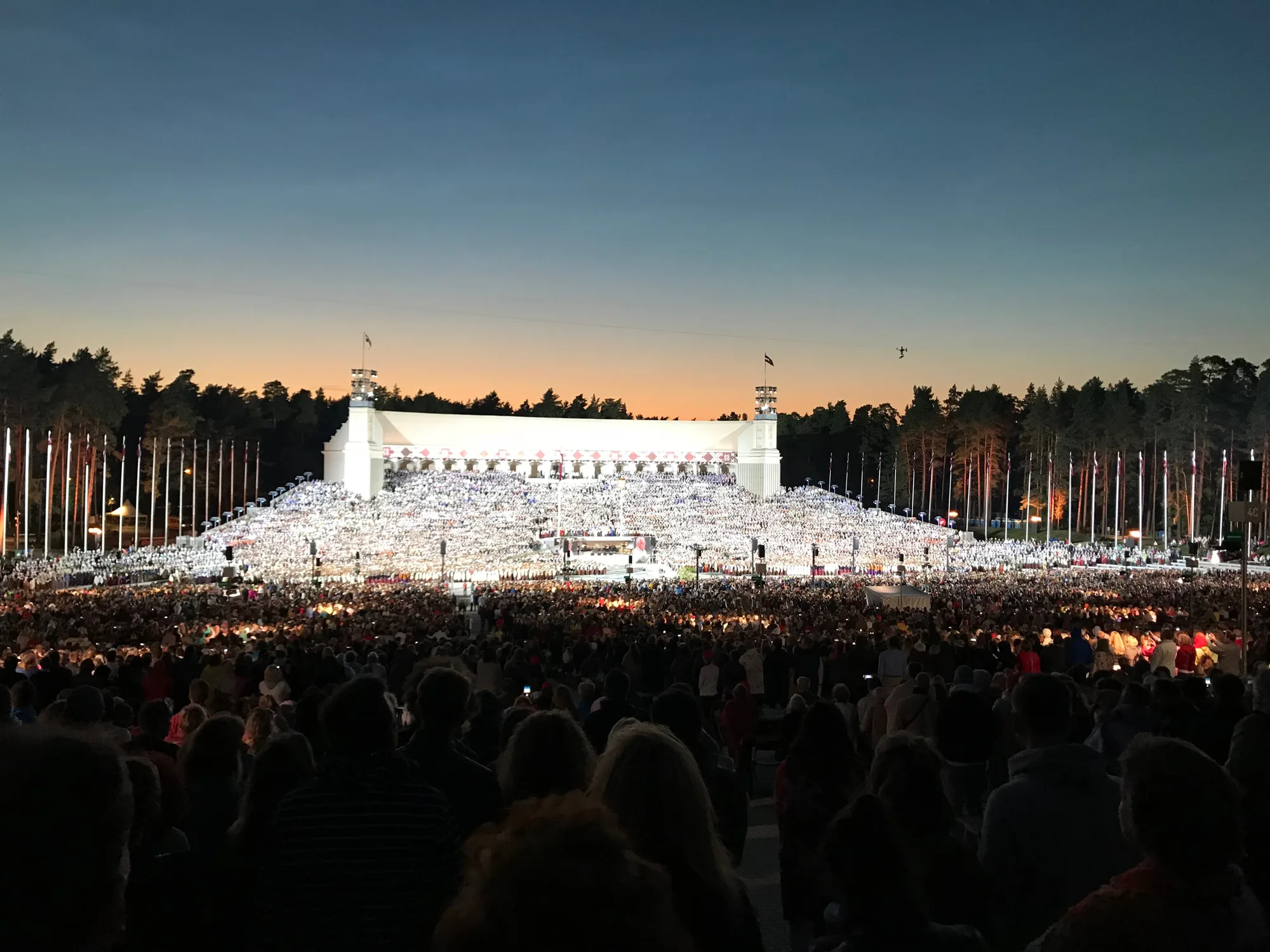
Two landmarks sit inside it: Riga Zoo, and the Great Bandstand, the huge open-air stage where the Latvian Song and Dance Festival — a UNESCO-recognised tradition — gathers thousands of singers. Even on an ordinary day, the scale of the grounds makes it a genuine escape from the dense centre.
- Setting: a large pine-forest park and historic garden suburb.
- Inside it: Riga Zoo and the Great Bandstand (Song Festival stage).
- Mood: woodland and lakeside calm, a true contrast to the Old Town.
How to do it well (without making it a mission)
Mežaparks is best when it stays easy. Don’t over-plan it — use it as a restorative half-day and keep the rest of the day close to your base.
- Go: late morning or early afternoon.
- Bring: an extra layer in cooler months.
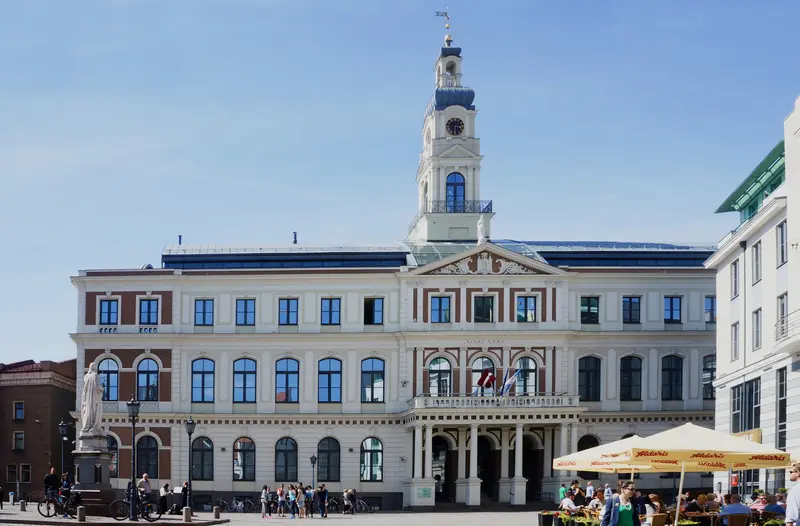
A garden suburb by the lake
Mežaparks — the name means ‘Forest Park’ — was laid out in the early 1900s on the wooded shore of Lake Ķīšezers in northern Riga, and is often cited as one of Europe’s earliest planned ‘garden city’ suburbs. The idea was to build a residential district inside the forest rather than clearing it, so elegant early-20th-century villas sit among tall pines along curving, leafy streets. That blend of woodland, lakeside and garden-city architecture is what makes the area feel so unlike the dense stone centre.
For visitors, the practical upshot is simple: this is where Rigans come for air and space. Even on an ordinary day, the scale of the pine forest and the open lake makes Mežaparks a genuine escape — a place to walk, breathe and reset rather than to sightsee in the usual sense.
- ‘Forest Park’: laid out in the early 1900s on Lake Ķīšezers’ wooded shore.
- One of Europe’s earliest planned garden-city suburbs.
- Pine forest, lakeside paths and early-20th-century villas — true space.
Sources
- LiveRiga: Mežaparks ↗
Official overview of the park and district.
What to do in Mežaparks
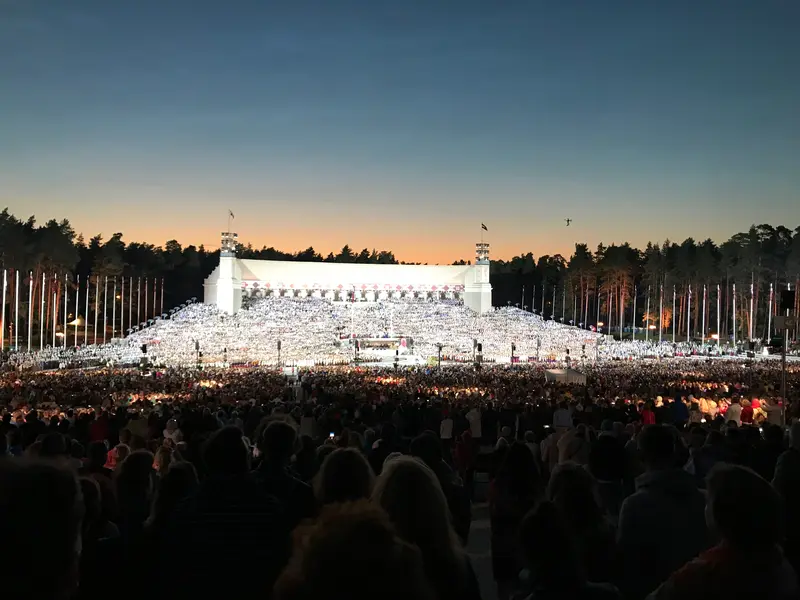
Two landmarks sit inside the park. The first is Riga Zoo, founded in the early 20th century on the lakeshore, which is the obvious draw for families and charges admission. The second is the Mežaparks Great Bandstand — a vast open-air stage that has hosted the Latvian Song and Dance Festival since the mid-20th century and was extensively rebuilt in 2021. The festival itself is part of a Baltic singing tradition recognised by UNESCO, and even when no event is on, the sheer scale of the stage and lawns is striking.
Beyond the headline sights, the park is for moving slowly: forest trails, lakeside paths along Ķīšezers for walking, jogging or cycling, and plenty of open lawn. In the warmer months there’s a small leisure scene by the water; in winter it becomes a crisp, quiet woodland walk. Pick one thing — a forest loop, the zoo, or a look at the bandstand — and let the air do the rest.
- Riga Zoo: a lakeside zoo, the main family draw (paid entry).
- Mežaparks Great Bandstand: the huge Song and Dance Festival stage (rebuilt 2021).
- Forest and lakeside paths along Ķīšezers for walking, running or cycling.
Sources
- LiveRiga: Mežaparks Great Bandstand ↗
Official overview of the Song Festival stage.
Getting there and timing it
Mežaparks is in northern Riga and is easiest to reach by tram: a Rīgas Satiksme tram runs from the centre out toward the park, dropping you a short walk from the forest and the zoo. Buy a ticket and validate on board, or tap a contactless card on many routes. The ride is part of the appeal — you watch the city thin out into greenery on the way.
Aim for late morning or early afternoon, which leaves plenty of daylight for a relaxed loop, and bring an extra layer in the cooler months because the forest and lakeshore feel several degrees cooler than the city. Keep the rest of your day close to your base; Mežaparks works best as a half-day reset rather than something you rush in and out of.
- Easiest by Rīgas Satiksme tram from the centre toward the park.
- Go late morning/early afternoon; bring a layer in cooler months.
- Best as a relaxed half-day, not a quick in-and-out.
Sources
- Rīgas Satiksme ↗
Official Riga public-transport routes and tickets.
Who Mežaparks is for
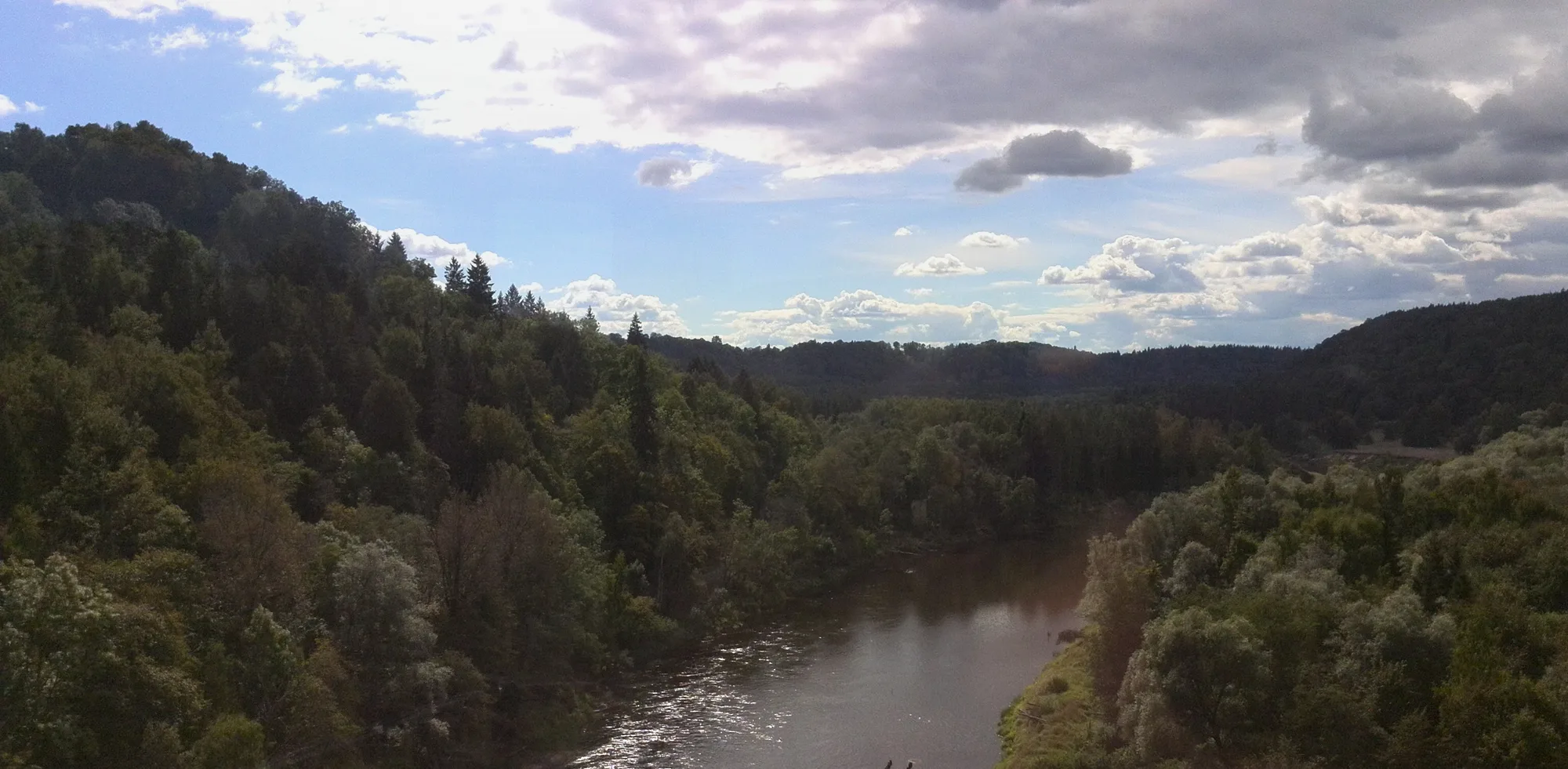
Mežaparks is for anyone craving green space and quiet after the dense centre — families with kids (thanks to the zoo and the open lawns), couples wanting a calm forest-and-lake walk, runners and cyclists, and travellers on a longer trip who want a true change of scene. It’s a restorative day, so it suits a slower pace; if you only have a day or two in Riga, the Old Town comes first.
- Best for: families, couples, runners/cyclists and longer-trip travellers.
- The mood is restorative — go slow, don’t pack the schedule.
- On a one- or two-day trip, prioritise the Old Town first.
How do I get to Mežaparks from central Riga?
The simplest way is by tram. A Rīgas Satiksme tram line runs from the city centre out to the Mežaparks area, leaving you a short walk from the forest paths and Riga Zoo. Use a Rīgas Satiksme ticket validated on board, or tap a contactless card where supported. Allow a little time for the ride and you’ll arrive ready for a relaxed half-day.
Is Mežaparks worth visiting?
If you want air, forest and lake — and especially if you’re travelling with kids or staying several days — yes. The combination of a genuine pine forest, the lakeside paths, the zoo and the famous Song Festival bandstand makes it the city’s best big-green-space reset. It’s not a substitute for the Old Town on a short trip, but as a half-day escape it’s hard to beat.
Does Mežaparks change with the seasons?
Very much so, which is part of its charm. In the warmer months the forest is green and busy with walkers, runners and families heading to the zoo, and there’s a small, easygoing leisure scene by the lake. In autumn the pines and birches turn the trails golden, and in winter it becomes a crisp, hushed snow-and-forest landscape — beautiful, but cold by the open lake, so dress in proper layers.
Whatever the season, the plan is the same: keep it relaxed, pick one focus, and let the woodland set the pace. Just match your outdoor time to the weather — long and leisurely in summer, shorter and brisker in the cold months.
- Summer: green forest, lakeside leisure and the zoo at its busiest.
- Autumn: golden trails through the pines and birches.
- Winter: a crisp, quiet snow walk — dress in proper layers.
 Location
Mežaparks
Big-park energy when you want air, space, and an easy reset day.
Map pins
Map data © OpenStreetMap contributors · Tiles © OpenFreeMap